Best Budget Log Splitter for Occasional Firewood Preparation
What's inside
As an Amazon Associate I earn from qualifying purchases. This post may contain affiliate links at no extra cost to you.
For occasional firewood preparation, the best budget log splitter is usually a compact electric hydraulic model rather than a gas machine. It costs less to own, starts with the push of a button, and has enough force for the 10–15 cords per year that most part-time users actually process. The right choice depends less on maximum tonnage than on log diameter, wood species, storage, and whether you can work near an electrical outlet.
As an Amazon Associate we earn from qualifying purchases at no extra cost to you.



What budget buyers should expect
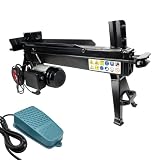
Entry-level electric splitters generally produce 5 to 7 tons of rated force and accept logs around 10 to 12 inches in diameter and 18 to 20 inches long. Those figures suit common firewood such as ash, birch, maple, and moderately seasoned oak. A 5-ton unit can handle straight-grained rounds efficiently, but knots, crotches, very fresh hardwood, and oversized pieces can stop it.
Do not treat the advertised tonnage as a guarantee. A splitter’s hydraulic pressure, wedge shape, cycle speed, and motor strength all matter. Some inexpensive machines claim high tonnage but work slowly or stall when the log is twisted. For a normal homeowner, a reliable 5-ton electric splitter is often better value than a poorly built 10-ton unit.
If your logs regularly exceed 12 inches in diameter, or you split dense, knotty hardwood every winter, move up to a 7- to 10-ton electric machine or a small gas splitter. That costs more, but avoiding repeated stalls and manually repositioning rounds is worth the difference.
The best budget splitter types
| Type | Typical price | Best use | Main drawback |
|---|---|---|---|
| Manual hydraulic | $150–$300 | A few small rounds at a time; no electricity available | Slow and physically demanding |
| 5-ton electric hydraulic | $250–$450 | Occasional home firewood, straight-grained logs | Limited log size and outdoor power requirements |
| 7- to 10-ton electric hydraulic | $400–$700 | More hardwood, larger rounds, regular seasonal use | Heavier and still limited by an extension cord |
| Gas hydraulic | $900–$1,800+ | Large volumes and remote splitting | Higher purchase, fuel, maintenance, and storage costs |
A 5-ton electric log splitter is the sensible starting point for most occasional users. Choose a 7-ton or larger electric splitter if you can justify the extra weight and cost. A manual hydraulic splitter is fine when the budget is extremely tight, but it is a poor choice for several face cords: the slow pumping action turns a cheap purchase into a tiring afternoon.
Electric splitter trade-offs that matter
Most compact electric splitters draw roughly 1,500 to 2,000 watts. Use a properly rated outdoor extension cord, keep it as short as practical, and avoid sharing the circuit with a saw or heater. A long, undersized cord can cause voltage drop, motor overheating, nuisance breaker trips, and weak hydraulic performance. Check the manufacturer’s cord requirements rather than assuming any heavy-looking cord is adequate.
Horizontal operation is usually the most stable and affordable layout. Vertical operation, when available, helps with heavy rounds because you do not have to lift them onto a beam. However, inexpensive machines often have small wheels and awkward handles. Look for a low loading height, a solid work table, and a comfortable way to move the splitter around your shed or driveway.
Cycle time is another overlooked specification. A budget unit may take 15 to 25 seconds for a full return cycle. That is acceptable for occasional work, but it will feel slow when processing a large pile. Faster cycle times also do not eliminate handling time: picking up, positioning, splitting, and stacking the wood still take most of the labor.
When the cheaper option is fine
Buy the least expensive reputable 5-ton electric splitter if you split fewer than three cords annually, work mostly with logs under 10 inches, and can accept a slower pace. Straight-grained rounds often split easily, and paying for more force will not make much difference. The cheaper machine is also easier to store and less costly to replace if it is used only a few weekends each year.
Spend more when your wood is mostly oak, hickory, elm, or knotty storm debris. Also upgrade if rounds are commonly 12 to 16 inches across, if you prepare several cords at once, or if repeated stalls leave the hydraulic motor hot. A larger splitter is not a substitute for safe sizing: very large rounds should be cut down with a saw before splitting.
For users without a convenient outlet, compare the total cost before choosing gas. A 7-ton electric log splitter may still work with a suitable outdoor circuit near the house. If the wood pile is hundreds of feet away, a gas model may be more practical than buying an extremely long extension cord. Gas machines bring oil changes, fuel storage, carburetor problems, and winterizing, so they are rarely the budget choice for light use.
Common failure modes and maintenance
The most common problem is not a broken wedge; it is a splitter being used beyond its design limits. Forcing crooked rounds, holding the control lever against a stalled ram, or repeatedly splitting frozen wood can overheat the motor and damage hydraulic components. Stop when the ram stalls, rotate the log, or cut the round smaller.
Before buying, check whether replacement hydraulic hoses, seals, wheels, and control levers are available. A low price is less attractive if a worn seal makes the machine unusable after two seasons. Keep the ram clean and lightly protected from rust, inspect hoses for cracking, tighten loose fasteners, and store the splitter under cover. Electric units should be protected from rain even when their controls are advertised as weather resistant.
When to buy for the best value
Prices often improve after peak firewood season, from late winter into spring, when retailers clear bulky outdoor equipment. Spring is also a practical buying window because you can test the splitter before the next heating season. During autumn, inventory is better and returns are easier, but demand can push prices up and popular budget models may sell out.
Compare the delivered price, not just the shelf price. A heavy splitter may add substantial shipping charges, while local pickup can save enough to justify buying a slightly better model. Watch for open-box units, but inspect the hydraulic ram, wheels, electrical cord, and oil leaks before accepting one. For occasional preparation, a compact 5-ton electric splitter bought at a seasonal discount is usually the strongest value; spend more only when your wood size, species, or workload clearly requires it.