Best Budget Random Orbital Sander for Refinishing a Small Desk
What's inside
As an Amazon Associate I earn from qualifying purchases. This post may contain affiliate links at no extra cost to you.
A small desk is a good job for an inexpensive 5-inch random orbital sander. You do not need a high-end model for a few square feet of wood, but a sander that vibrates harshly, sheds dust, or is awkward to control can leave swirl marks and make a short job frustrating. For most occasional DIYers, the best value is a corded sander in the roughly $40–$70 range, with a dust bag or vacuum port and readily available hook-and-loop discs.
As an Amazon Associate we earn from qualifying purchases at no extra cost to you.



What to buy for a small desk
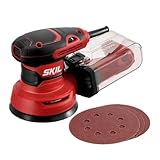
Look for a 5-inch random orbital sander with variable speed, a comfortable grip, and a replaceable sanding pad. Variable speed is useful on a desk because edges and veneer need a lighter touch than a broad, solid-wood top. A basic fixed-speed model can still do the job if you work carefully and use the right grit.
Compare 5-inch variable-speed random orbital sanders by current price, pad availability, and included dust accessories. Do not pay extra for a large assortment of low-quality discs; a few good sheets in the grits you need are more useful.
Corded models are usually the better budget choice for a one-off refinishing project. They avoid battery and charger costs, and you can sand continuously without planning around runtime. A cordless sander is worthwhile if you already own compatible batteries or expect to work away from an outlet. Buying into a battery platform for one small desk is rarely the cheapest route.
Budget options compared
| Option | Typical cost | Best for | Main trade-off |
|---|---|---|---|
| Basic corded 5-inch sander | About $30–$50 | Occasional desk and household jobs | Often louder, rougher, or less adjustable |
| Variable-speed corded sander | About $40–$70 | Careful work across tops, edges, and corners | Costs more; speed control does not prevent poor technique |
| Cordless sander, tool only | About $60–$100 | Owners of the matching battery system | Battery and charger can make it expensive from scratch |
| Premium or higher-end sander | Often $100 and up | Frequent use and longer sessions | Usually hard to justify for a single small desk |
Prices vary with sales and whether a kit includes a battery, charger, or extra discs. Check what is actually in the box before comparing listings. A cheaper tool may be the right buy if you will use it once or twice a year; a steadier grip and better dust collection matter more if you sand regularly.
Features worth paying for—and ones you can skip
A standard 5-inch pad is a practical choice because discs are easy to find at hardware stores. Check that the replacement pad is sold separately; hook-and-loop hooks wear out, especially if discs are pulled off roughly. A brake or controlled start can help keep the tool from jumping when switched on, but neither is essential for a careful beginner.
Dust collection deserves attention. The built-in bag catches some debris, not all of it. A vacuum connection generally controls fine dust better, but check the port size and whether an adapter is included. MDF dust and old finish residue should not be treated as harmless: wear a properly fitted dust mask, ventilate the room, and use a vacuum suitable for fine dust. Avoid sanding old paint until you know it does not contain lead.
Shop 5-inch hook-and-loop discs in multiple grits only after checking the sander’s pad diameter and hole pattern. Discs with mismatched dust holes can still sand, but they may collect dust less effectively.
How to refinish the desk without damaging it
First identify the surface. A solid-wood top can tolerate more sanding than a thin veneer, which may be only a fraction of an inch thick. If the desk is veneered, damaged, or has rounded edges, use the sander sparingly and finish those areas by hand. Do not try to sand through a stubborn finish by leaning hard on the tool; that creates heat and can cut through veneer before you realize it.
Remove the hardware and clean the top. Start with 120-grit paper if the finish is already worn and you only need to smooth the surface. If the coating is thick or uneven, 80-grit may be needed, but it removes material quickly; test underneath or in an inconspicuous area first. Move to 150 grit, then 180 or 220 before applying a typical clear finish. Follow the finish maker’s sanding instructions, since some products call for a different final grit.
Keep the sander flat, moving at a steady pace, and let the abrasive do the work. Overlap passes by about half the pad width. Stopping in one spot can leave a shallow dish, while tilting the pad tends to create gouges and edge marks. Vacuum between grits. A random orbital pattern reduces visible scratch direction, but it does not make scratches impossible; inspect the surface under angled light before applying stain or finish.
When to buy and when to save
Budget sanders often go on promotion during major spring and holiday tool sales, but discounts can be misleading if a listing bundles accessories you do not need. Compare the tool-only price with the kit price, and check whether the included battery is compatible with tools you already own. For a corded model, the lowest price is reasonable if the sander has a standard 5-inch pad and replacement discs are easy to find.
Browse corded 5-inch sanders with dust collection if this is a single furniture project and you want to keep the total cost down. Spending another $15–$25 for variable speed or a better grip can make sense if you will use the tool on cabinets or other furniture later. For one small desk, though, careful sanding technique and fresh discs are more important than buying a premium machine.