Skil vs Craftsman: Comparing Entry-Level Cordless Tool Quality and Price
What's inside
As an Amazon Associate I earn from qualifying purchases. This post may contain affiliate links at no extra cost to you.
Skil vs. Craftsman: What You Are Really Comparing
Skil and Craftsman both target homeowners who want cordless tools without paying professional-tool prices. Their drills, impact drivers, saws, and outdoor tools are usually good enough for maintenance, furniture assembly, light remodeling, and occasional yard work. The main difference is not that one brand makes universally good tools and the other makes bad ones. It is the size of the battery platform, the depth of the product range, and how much you expect to use the tools.
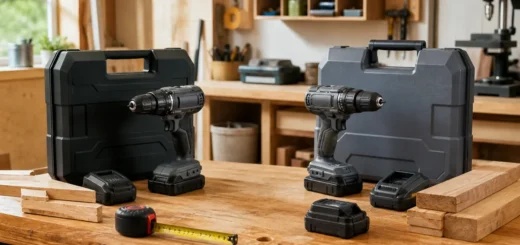
Skil often wins on the initial kit price. A drill or drill-and-impact-driver package may cost roughly $80 to $170, depending on battery size and sales. Craftsman kits commonly land around $100 to $220, with frequent discounts at major hardware retailers. Bare tools can look similarly priced, but batteries change the total cost quickly. A starter kit with two batteries is usually a better value than buying a bare tool and adding a battery later.
As an Amazon Associate we earn from qualifying purchases at no extra cost to you.


Quality and Durability
For basic homeowner work, both brands provide adequate power. A current brushless drill from either line is a sensible choice for driving screws, drilling wood, and making occasional holes in masonry with the correct bit. Brushless tools generally run cooler and deliver better runtime than brushed versions, although the improvement matters more if you work continuously than if you install a shelf once a month.
Craftsman has a broader cordless ecosystem and generally feels like the safer long-term choice for someone who expects to add tools. Its lineup covers common construction tools, automotive tools, and outdoor equipment. Skil covers the most useful homeowner categories, but its selection is narrower. That can matter when you later need a compact reciprocating saw, cordless inflator, wet/dry vacuum, or specialized sander.
Neither brand should be treated as a substitute for a professional platform on a daily jobsite. The common failure modes are predictable: overheated batteries, stripped chucks, worn switches, and saws that bog down when pushed through thick or wet material. Most problems come from using a compact battery for demanding work or forcing a dull blade through stock. A larger battery and sharp accessories help, but they do not turn an entry-level tool into a contractor-grade one.
Price and Value Comparison
| Factor | Skil | Craftsman |
|---|---|---|
| Typical starter-kit price | About $80–$170 | About $100–$220 |
| Best advantage | Low entry price and useful homeowner kits | Larger tool ecosystem and wider availability |
| Best use | Occasional repairs, furniture, light DIY | Frequent home projects and gradual expansion |
| Battery-platform concern | Fewer future tool choices | Higher cost if you buy many batteries |
| Professional workload | Not the ideal primary platform | Still below high-use professional platforms |
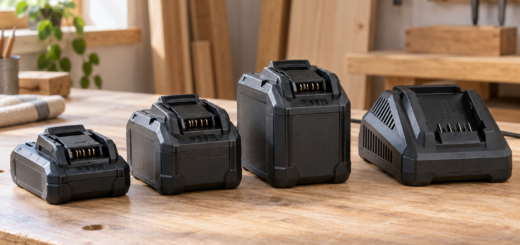
Prices move sharply during Black Friday, spring home-improvement sales, and holiday promotions. A two-tool kit with two batteries is often the sweet spot. Avoid judging value by the number of tools alone: a kit full of small accessories may be less useful than a drill, impact driver, and two batteries. Also check battery capacity. A 1.5Ah or 2.0Ah battery keeps a drill light, but a circular saw will usually work better with 4.0Ah or larger.
Which Battery Platform Should You Choose?
Choose Skil if your likely purchase list is short: drill, impact driver, circular saw, light, and perhaps a sander. For those jobs, the lower kit price can be the whole point. If you only use the tools a few times a year, spending extra for a larger ecosystem rarely pays back. A good place to start is a Skil cordless drill kit with two batteries.
Choose Craftsman if you expect the platform to grow. A single battery system can eventually power your drill, impact driver, saw, work light, inflator, and outdoor tools. That convenience is valuable, but only if you actually buy those tools. Craftsman’s wider availability also makes it easier to find replacement batteries or a sale on a bare tool. Consider a Craftsman V20 cordless tool kit when future expansion matters more than the lowest starting price.
Tool-by-Tool Buying Advice
For a drill, prioritize a comfortable grip, a metal chuck if available, two speed ranges, and a clutch with enough settings for screws. An impact driver is useful for long screws and lag bolts, but it is noisier and easier to overdrive small fasteners. If you buy one tool only, a drill is more versatile; if you build decks, fences, or outdoor structures, a drill-and-impact combination is more practical.
For circular saws, battery capacity and blade quality matter more than brand labeling. Entry-level saws are fine for plywood and occasional 2-by lumber, but expect slower cuts than a corded saw or premium cordless model. Stop if the motor repeatedly stalls; continued stalling generates heat and can damage the tool or battery. A reciprocating saw is useful for demolition, though inexpensive versions can vibrate heavily and drain batteries quickly.
For sanding and cutting, budget generously for consumables. A cheap tool with a sharp blade or quality sanding discs often outperforms a more expensive tool using worn accessories. For yard tools, compare runtime rather than advertised voltage. A compact string trimmer may handle a small suburban lawn, while thick grass and larger lots justify a larger battery and a more powerful motor.
When to Buy and When to Upgrade
Buy Skil during a deep kit sale when you need basic tools now and do not anticipate a large collection. Buy Craftsman when the price difference is modest—roughly $20 to $40—and you value more future choices, easier local availability, or a larger outdoor-tool lineup. Do not pay a premium merely for the name if both kits include comparable batteries and similar tool types.
Upgrade beyond both brands when you use tools for several hours most days, depend on them for paid work, or cannot afford downtime. In that situation, longer warranties, faster charging, stronger service support, and batteries built for repeated heavy loads can outweigh the higher purchase price. For a homeowner handling a few projects each year, however, either platform can be a rational value, and Skil is often the cheaper way to get started.