How to Shop for Tools During Spring Home Improvement Sales
What's inside
As an Amazon Associate I earn from qualifying purchases. This post may contain affiliate links at no extra cost to you.
Spring sales can be a good time to buy tools, but a bright discount tag does not tell you whether a tool is fairly priced or right for the job. Retailers often promote bundles, older versions, and accessories alongside genuine bargains. Shop with a short list, compare the cost of a usable setup, and avoid buying tools just because they are marked down.
Start with the job, not the sale
Write down the work you expect to do over the next year: assembling furniture, building a deck, drilling into masonry, or maintaining a lawn. Then sort the tools into three groups: essential now, useful soon, and unlikely to earn their storage space. A homeowner who needs to hang shelves and assemble cabinets may get more use from a drill and driver than from a large mixed-tool kit.
Check what each job actually requires. Driving a few screws into softwood does not call for a high-torque impact driver. Repeatedly drilling large holes or fastening long structural screws is a different matter. For a one-off project, renting or borrowing a specialized tool may cost less than buying it, especially if the tool needs accessories you will rarely use.
Compare the full cost of ownership
Compare prices for a complete working setup, not just the tool body. Cordless tools may need a battery and charger, and a bare-tool sale can look unusually cheap until those are added. Batteries can also lock you into a brand’s platform, so consider what other tools you might buy later.
For occasional home use, a single 2.0 Ah battery may be enough for light drilling and short fastening jobs. Larger batteries, such as 4.0 Ah packs, usually run longer but add cost and weight. If a bundle includes two batteries, check their capacity and whether the charger is included. A low-cost bundle with small batteries can be a better buy than a bare tool, but only if you will use the extras.
| Purchase | Often a good fit | Check before buying |
|---|---|---|
| Basic corded drill | Infrequent drilling near an outlet | Cord reach, speed control, and whether you need hammer action |
| Entry-level cordless drill kit | General repairs and light DIY | Battery capacity, charger, chuck size, and platform availability |
| Drill-and-impact-driver combo | Regular fastening or larger projects | Whether both tools will get use and whether the batteries are shared |
| Premium tool body | Frequent work or demanding materials | Whether its extra power, durability, or features solve a real problem |
Judge the discount, not the sticker
Check the sale price against several retailers and the product’s recent price history where available. A claimed 40 percent discount may be based on a price few buyers pay. Spring promotions also rotate, so an item that is not a strong deal this week may be discounted again around a holiday weekend.
Pay attention to what changed between generations. A newer version may offer useful improvements, such as better dust collection or a more capable battery system, but a previous version at a lower price can be the better value for light use. Read the exact product description and packaging details: similar-looking kits can differ in battery count, accessory quality, and included case.
Choose a tool platform carefully
If you already own cordless tools, staying on the same battery platform can save money and reduce clutter. If you are starting fresh, compare the price and availability of the tools you are likely to need—not just the drill kit. A discounted starter set is less attractive if replacement batteries are expensive or the platform has few tools that suit your work.
Brand reputation alone is not a reason to pay more. Premium lines can make sense for frequent use, tougher workloads, or features that improve control and reduce fatigue. For occasional repairs, a reputable budget tool may be entirely adequate. The trade-off is usually less refinement, a shorter warranty, or less durability under repeated heavy use—not necessarily poor performance on every job.
For general household repairs, compare cordless drill and driver kits by checking included battery capacity, charger, chuck, and warranty. If you already have compatible batteries, a bare tool can be the economical choice.
Buy accessories that fit the work
Bits and blades wear out, and poor accessories can make a decent tool feel ineffective. Buy the sizes and types required for your project rather than the largest assortment on the shelf. For a handful of household jobs, a compact set of common driver bits and a small range of drill bits is usually more useful than a box of dozens of pieces you will never use.
Match the bit to the material. Ordinary twist bits work for wood and metal within their limits; masonry calls for masonry bits, and impact drivers need impact-rated bits for repeated high-force fastening. Using the wrong bit can strip screw heads, overheat a bit, or damage the workpiece. Budget accessories are fine for light, occasional jobs, but repeated use can wear them quickly.
Avoid common sale mistakes
Do not buy a combo kit based only on the number of tools. A kit may include a light or radio while leaving out the tool you actually need. Add up the individual value of the useful items and compare that total with the bundle price. Also check return terms, warranty coverage, and whether a sale item is final sale or sold by a third-party marketplace seller.
For outdoor work, separate seasonal convenience from necessity. Spring is a natural time to shop for cordless string trimmers, but choose based on yard size, grass and weed thickness, and battery compatibility. A small yard with light trimming may not justify a high-powered model or a large battery. For a bigger property, check runtime claims against the battery included; advertised runtime often reflects favorable conditions and light cutting.
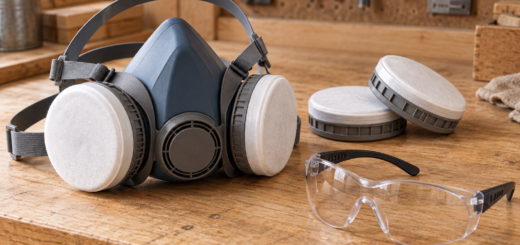
Finally, leave room in the budget for safety gear and consumables. Eye protection, hearing protection for loud tools, appropriate blades or bits, and extension cords rated for the tool can matter more than moving up one price tier. Buy the tool that fits the work you will actually do, and let the sale improve the value—not determine the project.