How to Compare Tool Prices Across Retailers Without Missing Included Accessories
What's inside
As an Amazon Associate I earn from qualifying purchases. This post may contain affiliate links at no extra cost to you.
Two tool listings can look identical until one arrives with a battery, charger, case, and blades while the other is bare tool only. Comparing the headline price alone can make the better-value option look more expensive—or make a genuinely cheap deal look better than it is.
Compare each purchase as a complete setup: the tool, the accessories needed for your job, and any batteries or chargers you don’t already own. Then check the seller, return terms, and timing of the price. A simple comparison table can prevent an easy-to-miss kit difference from costing you extra.
Start with the exact kit
Read the product title and the “included components” or “what’s in the box” list. Don’t assume that two listings with the same tool name contain the same items. Common differences include a battery and charger, a carrying case, a side handle, a blade, sanding sheets, or a dust bag. Even color or bundle images can be misleading; verify the written contents.
Classify each listing as bare tool, starter kit, or expanded kit. “Bare tool” usually means the power tool only, not a battery or charger. A starter kit typically adds one battery and a charger, but capacity and charging speed vary. An expanded kit may include extra batteries or consumables. If the listing does not clearly say what’s included, ask the retailer before buying.
Check whether the tool can do your intended job with the supplied accessories. A drill with no bits is still usable, but it won’t make a hole until you supply them. A circular saw may include a blade, but it might be a general-purpose blade rather than the one you want for fine cuts. Treat accessories you would not use as having little or no value.
Price the complete setup
Make a short list of what you need before comparing prices. If you already own compatible batteries and a charger, a bare tool may be the lowest-cost sensible choice. If you are entering a battery platform, include the cost of at least one battery and charger. For frequent work away from an outlet, a second battery may save interruptions, but it is not automatically worth paying for.
For example, suppose a bare tool costs $99, a compatible battery costs $69, and a charger costs $29. Your first-use total is $197 before tax. A $159 kit that includes both battery and charger is the cheaper way into the platform, even if its headline price is higher than the bare-tool listing. If the kit battery is too small for your workload and you would buy another anyway, compare both packages with that extra cost included.
| Listing | What’s included | Extra items needed | Comparable cost |
|---|---|---|---|
| A: $99 | Bare tool | Battery $69, charger $29 | $197 |
| B: $159 | Tool, battery, charger | None for basic use | $159 |
| C: $179 | Tool, battery, charger, case, two blades | None if supplied blades suit the job | $179, or less if you would buy those extras |
Use current prices for the missing items, not suggested retail prices printed in an old bundle description. For accessories, count only useful items. A case you will store in a drawer should not make a kit appear worth $30 more, and generic consumables may be worth less to you than their listed value suggests.
Check compatibility and condition
Battery compatibility can decide whether a low price is a real bargain. Tools within a brand may use different battery platforms, and a battery that fits physically may still have limits on performance or warranty coverage. Check the platform name and voltage, and confirm compatibility with the exact tool before ordering. If you already own batteries, make sure they are in good condition; an old battery that no longer holds charge is not a useful saving.
Also distinguish new, refurbished, open-box, and used listings. A lower price may come with a shorter warranty, missing accessories, damaged packaging, or no manufacturer support. Read the condition notes and return window. Check shipping and sales tax as well: a $10 delivery charge can erase a small advertised saving, while tax may differ by location.
For a kit with several accessories, look for exact quantities and specifications. “Includes bits” is less useful than a stated number and type. A drill bit set may cover common wood holes but not masonry. A jigsaw bundle may include blades for wood only. Confirm that the supplied item matches your material, shank type, and intended cut.
Compare retailers and timing
Compare the same tool configuration across retailers, not just similar-looking product photos. Record the full kit contents, delivered price, condition, warranty, and return deadline. If one store lists a bare tool and another lists a kit, price the missing items separately before deciding. Search results can also mix generations or regional variants, so verify the product number where available.
Seasonal sales can make bundles especially attractive, but a large “discount” is not proof of value. Track the normal price for a few weeks if the purchase is not urgent. Holiday promotions, spring yard-care sales, and end-of-season clearance can lower prices, yet clearance stock may be limited or harder to return. A modest discount on the exact kit you need is often better than a bigger markdown on a bundle filled with extras you won’t use.
Choose by the job
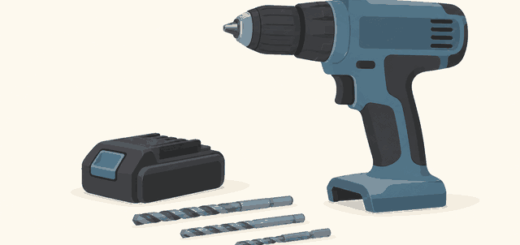
For occasional home repairs, a basic kit with one battery and a standard charger is often enough. If you only need a drill for a few shelves, paying extra for multiple batteries and a large case may not make sense. A cordless drill kit with a battery and charger is a practical starting point when you do not own a compatible platform.
For repeated cutting or sanding, consumables matter more. Compare blade types, grit, and replacement cost rather than counting pieces in the box. A replacement blade set for an oscillating tool can be a better use of the budget than a bundle’s extra case if the included blade is unsuitable. For outdoor work, check runtime and battery capacity; a second battery is useful when the job lasts longer than one charge, but a larger battery adds weight and may make a handheld tool less comfortable.
Before checkout, ask three questions: Can I use the included accessories for my actual job? What must I buy separately to start work? And is the price still better after adding those items? If the cheaper listing passes those checks, there is no reason to pay for a larger bundle. If it does not, compare the complete setup rather than the number on the product card.