How to Track Tool Prices and Recognize Genuine Discounts
What's inside
As an Amazon Associate I earn from qualifying purchases. This post may contain affiliate links at no extra cost to you.
Why a sale tag isn’t enough
A tool’s crossed-out price is not proof of a bargain. Retailers can raise a listed price before a promotion, and the same tool may sell for less during another sale. A “30% off” label is useful only if the current price is below the tool’s usual selling price and the tool is the right fit for your work.
Start by comparing the exact item, not just the brand and product photo. Check the model number, included battery and charger, accessory kit, and warranty. A bare tool can look like a cheaper version of a kit but cost more once you buy a compatible battery and charger. Conversely, a large kit may include accessories you will never use.
Build a simple price history
Before buying, record the current price and check it again over a few weeks. A spreadsheet with the date, retailer, item number, price, and bundle contents is enough. For products sold by many retailers, price-history sites and browser tools can show whether a discount is unusual. Confirm that the tracker is following the correct listing: similar-looking kits may have different batteries or accessories.
Track the price you would actually pay, including shipping and any required battery or charger. Compare the same configuration across at least two retailers. If a listing’s price rises and falls sharply, look at its history rather than relying on the current “was” price. A price that has been common for months is the normal price, even if the retailer describes it as a limited-time deal.
Set a target before a major sale. For example, if a kit has been around $200 for several months, decide whether you would buy it at $170 or wait. That prevents a countdown timer from turning a nonessential purchase into an urgent one.
Compare the whole package
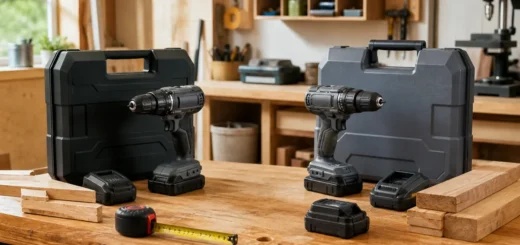
For cordless tools, the battery platform can matter more than a small difference in tool price. Batteries and chargers are often the costly part of expanding a system. If you already own compatible batteries, a bare tool may be the sensible choice. If you are starting from zero, compare complete kits and include the cost of a spare battery if the job will keep you working away from an outlet.
| Purchase | What to compare | Common trade-off |
|---|---|---|
| Bare cordless tool | Tool price, battery compatibility, warranty | Good value with batteries already owned; poor value if you must buy a battery and charger separately |
| Starter kit | Tool, battery capacity, charger, included accessories | Convenient for a new platform; bundled accessories may add little value |
| Higher-tier tool | Runtime, power, controls, durability, service support | Can save time on frequent or demanding work; often unnecessary for occasional household repairs |
Compare performance features against the job, not a bigger number on the box. A homeowner assembling furniture or drilling pilot holes may do well with a basic cordless drill-driver kit. Someone drilling many large holes or driving long fasteners into dense material may benefit from a stronger model and larger battery. The cheaper tool is fine when it completes the task safely without frequent stalling or overheating.
Check the real cost of ownership
Price is only one part of value. Look at the warranty terms, availability of replacement batteries, repair options, and whether the tool uses a battery platform you expect to keep. A low-priced cordless tool can become a bad deal if its battery is hard to replace or its charger is proprietary and discontinued. For a corded tool, check that the cord length and power suit your workspace; an extension cord does not fix every awkward setup.
Consider how often you will use it. Paying an extra $60 for a tool used weekly may be sensible if it reduces downtime or handles the load without struggling. For a job that comes up once every few years, renting or borrowing can cost less than owning, storing, and maintaining a tool. For sanding or cutting tasks, a basic corded orbital sander can be a better buy than a premium cordless model if you have access to an outlet and do not need to move between rooms.
Time the purchase around your deadline
Seasonal sales can help, but they do not follow a guaranteed schedule. Retailers commonly promote tools around major holiday weekends, Black Friday, and spring home-improvement periods. Deals on outdoor equipment may appear before or during the season when people are preparing yards. The useful question is whether the price and configuration beat your target, not whether a promotion is supposed to be the best of the year.
If the tool is needed for a scheduled project, include the cost of delay. Waiting six weeks to save $25 is not worthwhile if it stalls a repair or forces you to hire help. If the job is flexible, watch prices and compare bundles rather than rushing into a sale. Avoid buying extra tools solely to meet a spending threshold unless their standalone value is clear.
Spot a bad discount before checkout
Check the seller and return policy, especially on marketplace listings. A suspiciously low price may come from a third-party seller with unclear warranty coverage, a used or refurbished item, or a listing that omits the battery shown in the image. Read the written contents carefully. If the listing says “tool only,” assume no battery or charger is included unless it explicitly says otherwise.
Also watch for older versions being sold at a discount after a replacement launches. That can be a good buy if the older tool meets your needs and batteries remain available. It is less attractive if key parts are discontinued or the warranty is short. Do not pay a premium for a bundle simply because it contains many accessories; compare those items with what you would pay for only the pieces you need.
For a final check, ask three questions: Is this the exact configuration I need? Is the price low compared with its recent history and other sellers? Will the tool and its power source suit the jobs I expect to do? If the answer to all three is yes, the discount is worth considering. If not, keep tracking prices or choose a simpler tool that already fits the work.