Cordless vs Corded Circular Saws: Which Is More Economical for Occasional Use?
What's inside
As an Amazon Associate I earn from qualifying purchases. This post may contain affiliate links at no extra cost to you.
For a homeowner making a few cuts a year, the cheaper saw is not always the cheaper purchase. A corded circular saw usually costs less upfront and needs no battery, while a cordless saw can save setup time and avoid the hassle of finding an outlet. Which is more economical depends on how often you cut, how far you work from power, and whether you already own batteries for the same tool brand.
As an Amazon Associate we earn from qualifying purchases at no extra cost to you.


The quick answer
Choose corded if you expect to work near an outlet, make long or repeated cuts, and do not own compatible batteries. A basic corded saw is often the lowest-cost way to handle occasional framing, shelving, or plywood cuts.
Choose cordless if you already have a suitable battery platform, need to work outdoors or away from outlets, or value quick setup enough to pay extra. Starting from scratch, the battery and charger can make an occasional-use cordless setup substantially more expensive.
What the purchase actually costs
Prices vary by sale and included accessories, but these broad ranges are useful for budgeting. A “bare tool” cordless price excludes the battery and charger, so compare complete kits unless you already own compatible batteries.
| Cost or factor | Corded saw | Cordless saw |
|---|---|---|
| Typical entry-level purchase | About $50–$100 for the saw | About $80–$180 bare tool; roughly $150–$300 for a kit |
| Additional power costs | Usually none beyond electricity | Battery replacement eventually; a spare battery adds cost |
| Working time | Continuous while plugged in | Limited by battery charge and workload |
| Setup and reach | Needs an outlet and cord management | Fast to start; useful away from outlets |
| Best value when | You own no batteries and cut near power | You already share batteries with other tools |
For a first saw, a basic corded circular saw is usually the lower-risk buy. Check what is included: a blade, edge guide, and dust adapter can make a modestly priced package more useful, though the stock blade may still be worth replacing for cleaner cuts.
The battery-platform math
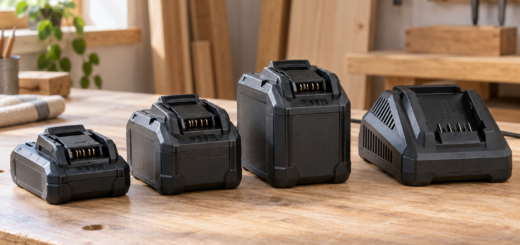
Battery ownership changes the comparison. If you already have two charged batteries from the same platform, the extra cost of a cordless saw may be just the bare tool. If you do not, the kit price is the fair comparison. Batteries are generally not interchangeable across brands, and even within one brand, voltage or platform compatibility matters.
Occasional users should not assume a battery will last forever just because it sees little work. Age, heat, and storage while fully discharged can shorten its life. Store batteries indoors, follow the manufacturer’s charging guidance, and avoid leaving one in a hot vehicle. For typical DIY cutting, one battery may be enough for a short project; repeated cuts through thick stock or dense material can drain it much faster.
If a cordless purchase is mainly about one weekend project, compare the kit cost with borrowing or renting before buying. But if you expect to add a drill, sander, or other tools on the same platform, the battery investment can pay off across the group. A cordless circular saw kit with battery and charger is easier to budget than a bare tool plus separate accessories.
Match the saw to the job
For a few straight crosscuts in 2-by lumber or plywood, either type can do the work. A common 7-1/4-inch saw can cut roughly 2-1/2 inches deep at 90 degrees, enough for a typical 2-by board in one pass. Check the saw’s published depth capacity, especially if you plan to cut thicker material or bevels.
Corded power has a practical advantage on a long cutting session: no charging breaks and no loss of power as a battery empties. Its drawback is the cord. Keep it behind the saw and out of the cut line; accidentally cutting through an extension cord is a real shock and repair hazard. Use an outdoor-rated extension cord when working outside, sized for the tool’s current draw and cord length.
Cordless avoids that cord hazard and is easier to carry up a ladder or across a yard. The trade-off is that a depleted battery can stop the job halfway through. Keep a spare charged if the work is time-sensitive, and do not force the saw through the cut. For either type, support the offcut so it cannot pinch the blade, set blade depth just below the material, and wear eye and hearing protection.
Where a cheap purchase can disappoint
Low-cost corded saws can be heavy or rough-running, and a poor fence or base plate may make accurate cuts harder than expected. Inspect the base for flatness and check that the blade guard moves freely. A dull or unsuitable blade causes burning, slow cuts, and extra strain; replacing the blade is often a better upgrade than buying a more powerful saw.
Budget cordless saws can feel underpowered when pushed through thick stock, especially with a small or partly charged battery. Avoid judging runtime from a single easy cut. If you mostly cut sheet goods, a compact cordless saw may be convenient, but confirm its blade size and depth capacity before purchase. A compact cordless circular saw can suit light, short cuts, but it is not automatically a substitute for a full-size saw.
How to spend less without buying twice
For occasional use, avoid paying extra for features you will not use, such as a premium rail system or a high-capacity battery if your cuts are short. Compare the warranty, blade size, bevel range, and included battery capacity—not just the headline price. A sale on a kit is worthwhile only if the battery platform fits tools you are likely to use.
Buy corded when the job is predictable and power is close. Buy cordless when access, setup, or shared batteries justify the premium. If you are uncertain and the saw will sit in storage most of the year, borrowing or renting is often the most economical choice of all.