How to Compare Tool Brands Using Warranty, Repairs, and Replacement Parts
What's inside
As an Amazon Associate I earn from qualifying purchases. This post may contain affiliate links at no extra cost to you.
Why Warranty Value Matters More Than the Warranty Length
A long warranty looks good on a product page, but it is only useful if the brand honors it, stocks parts, and gives you a practical way to get the tool fixed. A five-year warranty on a low-cost drill may be less valuable than a shorter warranty from a company with local service centers and readily available switches, batteries, and chargers.
Start by separating three kinds of coverage:
- Tool warranty: Covers defects in the motor, gearbox, switch, housing, or electronics during normal use.
- Battery warranty: Often has different coverage from the tool and may exclude capacity loss or normal aging.
- Consumables and wear parts: Bits, blades, brushes, chucks, belts, and sanding pads are usually excluded.
Warranty terms also commonly exclude abuse, commercial use, water damage, modifications, and repairs using non-approved parts. Read the actual warranty document, not just the badge on the retail listing. Check whether you must register the tool, keep the receipt, pay shipping, or use an authorized service center.
Compare the Repair Process Before Buying
Repair convenience is part of a tool’s price. If a $90 saw fails and shipping it costs $35 each way, the warranty is less attractive than it first appears. Look for brands that provide prepaid labels, searchable service centers, online parts diagrams, and clear repair status updates.
Ask these practical questions before purchasing:
- Can the owner start a warranty claim online, or must they call during business hours?
- Does the company repair the tool, replace it, or issue store credit?
- Who pays shipping for a warranty failure?
- Are parts sold directly to consumers?
- Is there a service center within reasonable driving distance?
For a homeowner using a drill a few times each month, a mail-in repair process may be acceptable. For a contractor who depends on a tool every day, downtime can cost more than the original purchase. In that case, local service, a second battery, or a backup tool may matter more than an extra year of warranty coverage.
Replacement Parts and Common Failure Modes
Most cordless tools do not fail because the plastic housing breaks. Common problems include worn carbon brushes on brushed motors, burned switches, stripped gears, failed battery contacts, damaged chucks, and battery packs that no longer hold a useful charge. Brushless electronics can last well, but a failed controller is often expensive and difficult to replace at home.
Parts availability varies by category. A corded circular saw may need only a switch, blade guard, or arbor washer over many years. A cordless impact driver depends on a battery platform, charger, trigger assembly, gearbox, and electronic control board. If the manufacturer stops supporting that platform, the tool may become uneconomical even if the mechanical parts are still sound.
Search for the tool’s parts diagram before buying. A useful parts catalog lists individual components, part numbers, and prices. If the only replacement option is a complete motor assembly costing nearly as much as a new tool, the warranty becomes especially important.
For routine homeowner work, compare current corded drill replacement parts before choosing a brand. Cheap brushes and switches are a good sign. Batteries, chargers, and electronic assemblies deserve closer scrutiny because they can cost 40% to 70% of the original tool price.
A Practical Brand Value Comparison
The table below shows how to evaluate a brand without treating the warranty headline as the whole story. Exact policies change, so verify current terms for the specific product.
| Factor | Budget brand | Mainstream DIY brand | Professional-focused brand |
|---|---|---|---|
| Upfront price | Lowest | Moderate | Highest |
| Warranty experience | May be long, but support can be limited | Usually straightforward for common tools | Often strong service network and documentation |
| Replacement batteries | May be inexpensive or discontinued quickly | Usually easy to find while the platform is active | Often costly, but widely stocked |
| Individual parts | Limited selection | Moderate availability | Generally the best availability |
| Best fit | Light, occasional use | Regular home maintenance | Frequent or income-producing work |
A budget tool is often the right purchase for a single weekend project, especially if replacing it would not disrupt your work. Paying twice as much for a professional platform does not automatically make financial sense if the tool will run for 20 minutes every few months.
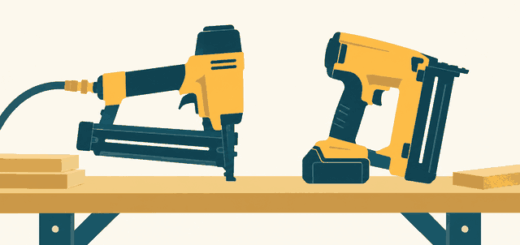
Choose the better-supported brand when the tool is safety-critical, difficult to replace, or used heavily. A failed grinder, saw, or framing nailer can stop a job. For these tools, parts access and turnaround time can justify a higher price even if the tool itself does not last twice as long.
Include Battery Platform Costs
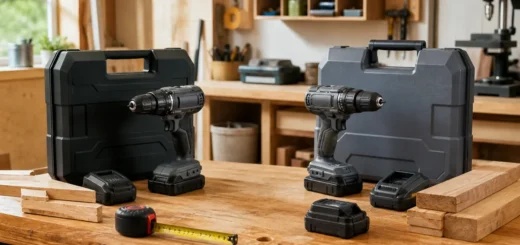
Cordless tools create a second ownership decision: the battery platform. A bare tool may look cheap at $80, but adding two batteries and a charger can bring the real starting cost to $180 or more. Compare the price of a replacement battery, not just the kit price.
For occasional work, a corded tool can be the better value because it avoids battery aging. A corded corded circular saw may remain useful for a decade with only a blade replacement, while a cordless saw may require a new battery after several years even if the saw is mechanically sound.
If you already own batteries from a reliable platform, buying a bare tool can make sense. If you are starting from zero, compare a complete kit with the cost of future batteries. A platform with 30 compatible tools can be valuable, but only if you will actually use more than one or two of them.
A Simple Buying Score
Give each candidate a score from one to five for warranty clarity, local repair access, parts availability, battery cost, and expected workload. Multiply the workload factor: a daily-use tool should count warranty and repair access more heavily than purchase price.
Before ordering, search for the exact tool category plus “parts diagram” and “service center.” Also check whether the brand still sells batteries for older tools. For common homeowner jobs, browse cordless oscillating multi-tool kits only after comparing replacement battery prices and included accessories.
Seasonal sales can change the calculation. Holiday bundles often include a free battery or second tool, while spring promotions may discount outdoor equipment. Compare the final kit price, warranty registration requirements, and likely repair cost—not just the percentage-off label. The best value is the tool you can keep running after the warranty expires.