How to Choose a Shared Tool Setup for a Small Neighborhood
What's inside
As an Amazon Associate I earn from qualifying purchases. This post may contain affiliate links at no extra cost to you.
A shared tool setup works best when it is treated like a small equipment fleet, not a pile of random bargains. The goal is not to own every tool. It is to cover the jobs neighbors actually do—basic repairs, yard work, light carpentry, painting, and seasonal maintenance—without paying for five versions of the same drill.
Before buying, ask three questions: How many households will use the tools? Who will store and maintain them? What happens when something is returned damaged or late? A $300 tool collection can become expensive quickly if nobody is responsible for batteries, blades, cleaning, or replacements.
Start With the Jobs, Not the Brands
Survey the households and list jobs from the past year. Common examples include assembling furniture, hanging shelves, tightening loose hardware, trimming shrubs, clearing leaves, touching up paint, and making small deck or fence repairs. Count each job, then separate occasional tasks from work that happens every month.
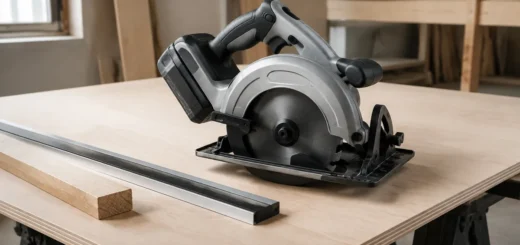
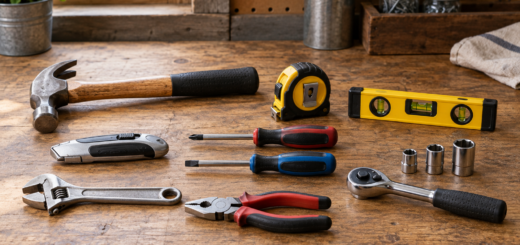
For most small neighborhoods, a useful first setup includes a cordless drill/driver, impact driver, circular saw, oscillating multi-tool, random-orbit sander, jigsaw, shop vacuum, step ladder, hand-tool kit, extension cords, clamps, and basic yard tools. Add a pressure washer, hedge trimmer, or post-hole digger only if several households have a clear need.
Avoid buying specialty tools “just in case.” A tile saw used once a year is usually better rented. The same applies to drain snakes, concrete breakers, large demolition saws, and expensive woodworking tools. Rental cost is often reasonable when the tool would otherwise sit unused for 11 months.
Choose One Battery Platform
The most important buying decision is the cordless battery system. Batteries and chargers are not interchangeable across brands, and buying into multiple platforms can add $100 to $250 in duplicate batteries and chargers.
For a shared setup, choose a widely supported 18V or 20V system with drills, saws, yard equipment, lights, and replacement batteries available locally and online. Brushless tools generally run cooler and last longer under heavy use, but brushed tools are often fine for occasional household repairs. Do not pay for brushless equipment across the board if the group mainly hangs pictures and assembles cabinets.
A sensible starting point is two drills or drill/driver kits, three to four batteries, and two chargers. One battery per active tool is not enough: a circular saw can drain a small pack quickly, especially in wet lumber. Include at least one larger 4Ah or 5Ah battery for saws and yard tools, plus smaller 2Ah packs for drills and lights.
Compare cordless power tool combo kits carefully. Kits are often cheaper than buying tools separately, but the included drill may be basic and the kit may contain a tool nobody needs. A bare tool is a good deal only when the group already owns compatible batteries.
Match Tool Quality to Use
| Use level | Best choice | Typical cost per tool | Trade-off |
|---|---|---|---|
| Light, occasional repairs | Entry-level homeowner tool | $30–$90 | More plastic, slower cutting, shorter expected life |
| Regular neighborhood use | Midrange brushless tool | $80–$180 | Higher upfront cost, better runtime and durability |
| Frequent or demanding work | Professional-grade tool | $150–$350+ | Worthwhile only with heavy use and good maintenance |
The cheaper option is fine for a hand drill used twice a month, a light-duty sander, or a second set of screwdrivers. It is a poor choice for a shared circular saw, shop vacuum, or hedge trimmer. Shared tools see more abuse than personal tools: users force dull blades, drop equipment, lose accessories, and may not notice overheating.
Spend more on tools that create safety problems when they fail. A weak ladder, damaged extension cord, cracked saw guard, or unreliable battery should be removed immediately. Brand reputation matters most for replacement parts, battery availability, warranty handling, and consistent build quality—not because an expensive logo makes every cut better.
Budget for Accessories and Consumables
Power tools are only half the budget. Set aside roughly 25% to 40% of the tool cost for accessories during the first purchase. Buy drill and driver bit sets, circular-saw blades, jigsaw blades, sanding discs, utility knife blades, measuring tapes, levels, clamps, and spare fasteners.
Cheap bits are acceptable for softwood and occasional drilling, but dull bits cause wandering holes, stripped screws, and excess pressure. For a shared kit, buy a midrange bit set rather than the largest bargain assortment. A 50-piece set full of duplicates is less useful than a smaller set with common Phillips, Torx, masonry, and metal-drilling sizes.
Consumables should be replaced, not “borrowed.” Keep a small labeled stock of blades and sanding discs, and charge users only when a replacement is needed if the group wants costs to stay fair. Never reuse a warped saw blade or a sanding disc that has lost its abrasive surface.
Design the Checkout System
Store the equipment in a lockable cabinet or rolling chest in one central location. Label every tool, battery, charger, and case with the neighborhood’s name and an inventory number. A simple shared spreadsheet can record borrower, checkout date, expected return date, battery condition, and damage.
Use a 48-hour loan period for common tools and a reservation system for high-demand equipment. Require users to return tools clean, with batteries removed and chargers together. Keep saw blades and sharp accessories in boxes; loose blades are a predictable source of cuts and missing parts.
Set a replacement rule before the first loan. For example, normal wear is shared by the group, while loss or careless damage is paid by the borrower. Photograph expensive tools at purchase and keep receipts in a shared folder. A small annual reserve—about 10% of the equipment value—covers batteries, blades, and unexpected failures.
Buy Around Seasonal Demand
Buy lawn equipment in late summer or fall, when retailers often discount trimmers, blowers, and mowers. Snow tools are usually cheaper after winter rather than during the first storm. Cordless power-tool kits see strong promotions around major holiday sales, Father’s Day, and end-of-year clearance periods, but compare the kit’s included batteries with normal retail prices.
For spring projects, buy clamps, sanders, exterior paint tools, and pressure-washing accessories before demand peaks. Do not stock batteries for every possible tool. Batteries age even when unused, and a shared group can easily spend more on duplicate packs than on the tools themselves.
If the budget is tight, start with hand tools, one battery platform, and the two or three tools used most often. Expand only after the checkout log shows a real gap. That approach costs less, reduces storage problems, and makes it clear which upgrades will actually save neighbors time and rental fees.