Best Value Modular Tool Box for Expanding Hand Tool Collections
What's inside
As an Amazon Associate I earn from qualifying purchases. This post may contain affiliate links at no extra cost to you.
A modular toolbox earns its keep when your hand-tool collection is still growing. Instead of replacing one overloaded box, you add a drawer unit, organizer, or larger case as needed. The best value is not always the cheapest stack. It is the system that gives you useful storage now, remains compatible with future pieces, and does not waste half its capacity on heavy plastic and empty air.
As an Amazon Associate we earn from qualifying purchases at no extra cost to you.


What matters in a modular toolbox
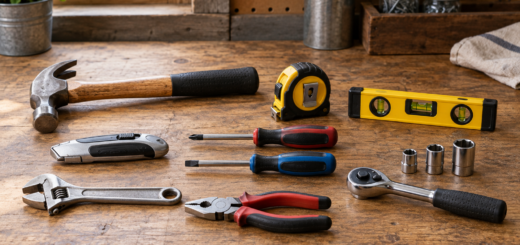
Start with the tools you own, not the advertised number of compartments. A basic hand-tool collection usually needs three types of storage: a deep compartment for pliers, drivers, and small power tools; shallow drawers for sockets and wrenches; and removable organizers for fasteners and odd hardware.
Check the internal dimensions carefully. A case that is 22 inches wide externally may have only 17 to 19 inches of usable space after the walls, latches, and molded dividers are accounted for. Drawer height matters too. A 2-inch drawer is useful for sockets and hex keys, but it will not hold a large adjustable wrench or a ratchet with an extended handle.
Look for a load rating of at least 50 pounds per box for a general workshop stack. That does not mean you should fill every case with steel tools. Overloading makes latches difficult to close, causes drawer slides to sag, and makes the stack unpleasant to move. A fully loaded stack weighing 100 pounds or more is better treated as a stationary cabinet than a portable toolbox.
Which modular format offers the best value?
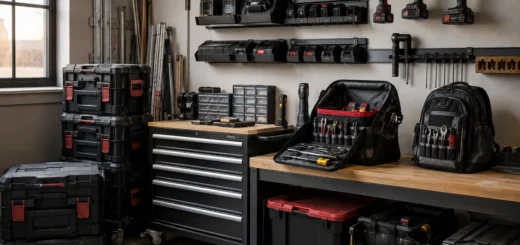
For most expanding collections, a rolling base paired with a two- or three-drawer unit is the most practical starting point. It keeps frequently used tools at waist height and leaves the top box available for hand-carrying. If you buy only small organizers, you may save money initially but quickly run out of room for bulky tools.
Drawer systems cost more, but they make tools visible and reduce digging. A large top-opening case is cheaper per cubic inch and better for mixed tools, though items get buried. Small parts organizers are excellent for sockets, screws, and electrical connectors, but they are poor substitutes for general storage.
For a broad selection of modular tool box systems, compare the cost of the base, rolling unit, and at least one add-on together. A low-priced first box can become expensive if compatible drawers and organizers cost twice as much as the original case.
Brand value and compatibility
| System type | Typical strength | Best value for | Main compromise |
|---|---|---|---|
| Budget modular plastic | Low entry price and light weight | Homeowners with light hand-tool collections | More flex, weaker latches, limited expansion |
| Craftsman Versastack-style systems | Good balance of drawers, cases, and price | DIY users building a general-purpose setup | Less rugged than premium jobsite systems |
| DeWalt ToughSystem-style systems | Durability and broad jobsite compatibility | Tradespeople carrying tools in vehicles or outdoors | Higher cost and bulky boxes |
| Milwaukee Packout-style systems | Large expansion range and strong latching hardware | Users expecting a long-term, mixed-tool system | Premium pricing, especially for drawers |
Brand systems are generally not cross-compatible. A drawer box from one platform may sit on another box, but the locking tabs, footprint, or lid clearances often do not match. Do not assume that a universal-looking case will safely lock to your existing stack. If you already own cordless tools from a major brand, its modular storage ecosystem may be worth considering, but only if you expect to add several pieces.
For a budget-focused hand-tool collection, a Craftsman Versastack-style tool box is often a sensible middle ground. It usually costs less than premium jobsite systems while offering the drawer and organizer options most home users need. The cheaper option is fine if the boxes will stay in a garage and you are not regularly stacking them in a truck.
Common failure points
The first failure is usually the latch. Thin plastic latches can crack when closed over a slightly overfilled box, especially in cold weather. Leave about 10 percent empty space around the lid and never force a latch over a protruding socket or wrench.
The second is drawer sag. A drawer loaded with sockets can easily weigh 15 to 25 pounds. Cheap slides may work well for a year and then bind or pull away from the cabinet. Put heavier items in the bottom drawers and reserve upper drawers for drivers, hex keys, and measuring tools.
Water resistance is also easy to misunderstand. “Water resistant” usually means the lid has a gasket and the case can tolerate rain, not that it can sit in a truck bed through a storm. Wet tools trapped inside will rust. Add a small desiccant pack, wipe tools before storage, and avoid storing bare carbon-steel tools in a sealed damp box.
When to buy and how to expand
Buy the base and the first add-on together during seasonal promotions. Black Friday, spring home-improvement sales, and major holiday weekends often discount bundles more heavily than individual boxes. A bundle saving of $30 to $60 is realistic, but check the included pieces; some packages substitute a shallow organizer for the useful drawer unit.
Search for modular tool box drawer units only after confirming the footprint and locking direction. Measure your available wall or vehicle space before buying a rolling base. Many systems need 24 to 30 inches of clearance to open drawers fully.
If your collection is still small, buy one sturdy medium case and a separate small-parts organizer rather than an entire stack. Add a drawer box when you own enough sockets, wrenches, or precision tools to fill it. That approach costs less, avoids unused plastic, and gives you a clearer idea of which modular system actually fits your work.