Best Value Rechargeable Headlamp for Attic, Crawlspace, and Automotive Repairs
What's inside
As an Amazon Associate I earn from qualifying purchases. This post may contain affiliate links at no extra cost to you.
A rechargeable headlamp is one of those tools that earns its place quickly. It keeps both hands free when you are tracing a leak in an attic, changing a starter in a dark driveway, or crawling under a floor. The best value is not necessarily the lamp with the highest lumen number. For repair work, a dependable beam, a comfortable strap, a usable low setting, and a battery that does not quit after 20 minutes matter more.
As an Amazon Associate we earn from qualifying purchases at no extra cost to you.
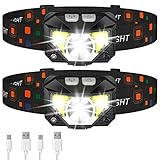
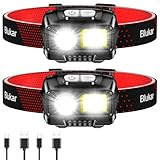

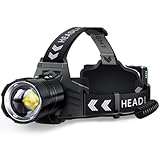
What matters for repair work
Look for a headlamp with at least three useful brightness levels, including a low mode around 20 to 60 lumens. A high setting of roughly 300 to 600 lumens is enough for most household and automotive jobs. More output helps when you are inspecting a large attic, but it also creates more heat and drains the battery faster.
A wide flood beam is useful for wiring, insulation, and engine bays because it lights the surrounding work area. A focused spot beam reaches farther and works better when you are looking across a crawlspace or checking a distant roof truss. A lamp offering both is more practical than one with a single intense beam.
USB-C charging is preferable to older micro-USB, especially if the headlamp will live in a tool bag. Check whether the lamp can operate while charging; many cannot, and some shut down when connected to a power bank. A battery indicator is also valuable. Without one, a lamp can appear charged but die halfway through a repair.
Best value: a midrange rechargeable headlamp
For most people, the best buy is a rechargeable headlamp in the $25 to $45 range. This tier usually adds a more secure strap, better charging hardware, a wider beam, and more reliable battery management than the cheapest lights. It is the category I would choose for regular attic, crawlspace, and automotive use.
Shop for a rechargeable USB-C headlamp with a wide beam rather than chasing a headline lumen rating. A comfortable top strap helps prevent the lamp from sliding down when you bend or look upward. A rear battery pack can balance the weight, but it adds another cable and a snag point in tight spaces.
For automotive repairs, a lamp with a tilting head is especially useful. Pointing the beam down into an engine bay is easier than repeatedly moving your head. A red mode is optional. It preserves night vision and attracts fewer insects, but it is not important for normal mechanical work.
Budget versus premium options
| Price range | What you typically get | Best use | Main compromise |
|---|---|---|---|
| $12–$25 | Basic rechargeable battery, 200–500 claimed lumens, simple flood beam | Occasional home repairs and emergency use | Shorter runtime, weaker straps, inconsistent charging |
| $25–$45 | USB-C, multiple useful modes, better optics and headband | Regular attic, crawlspace, and vehicle work | Usually not highly rugged or fully waterproof |
| $50–$90 | Better sealing, regulated output, stronger battery and construction | Frequent trade work and harsh conditions | Higher cost; extra modes may go unused |
The cheaper option is fine if you use a headlamp twice a year to change an air filter or inspect a circuit breaker. A $15 to $20 model can provide plenty of light for those jobs. Buy two if reliability matters: one can serve as a backup in the car or toolbox. The risk is not usually brightness; it is a loose charging port, a strap that stretches, or a battery that has lost capacity after sitting unused.
Premium lamps make more sense for contractors, outdoor workers, or anyone who uses one several hours each week. Their regulated electronics can maintain steadier brightness as the battery discharges. That is useful when you are under a vehicle and cannot conveniently stop to recharge. For occasional DIY work, however, the extra money often buys impact resistance and sealing that you may never need.
Runtime and battery reality
Manufacturers often advertise the highest output for a short period. Treat a claimed 500-lumen rating as a peak figure, not an all-night operating level. A practical target is two to four hours on medium power and eight hours or more on low. Those figures are more useful than maximum brightness.
Cold attics and winter driveways reduce lithium-ion battery performance. Heat also shortens battery life, so do not leave the lamp on a dashboard in summer. Recharge it before storage, then top it up every few months. If the battery is built in, eventual battery wear can make the lamp disposable. A model using a replaceable rechargeable cell costs more but may be economical for heavy use.
Fit, safety, and failure points
Adjust the strap before entering a crawlspace. The lamp should stay put when you shake your head, but it should not leave a pressure mark after 30 minutes. Avoid loose fabric near belts, pulleys, fans, and rotating automotive parts. A headlamp is not a substitute for a work light when both hands must remain near moving machinery.
For damp basements or outdoor repairs, look for a stated water-resistance rating rather than vague “waterproof” wording. Keep the charging cover closed during use. Dust, attic insulation, and metal filings can work into charging ports, so brush the lamp clean before plugging it in.
When to buy and what to search for
Rechargeable headlamps are commonly discounted during spring tool sales, summer outdoor promotions, and the November holiday period. Discounts of 15% to 30% are common, but compare the final price against the lamp’s normal range rather than trusting a marked-down list price. Batteries and charging cables are often bundled during holiday promotions.
If you need a dependable general-purpose light now, compare USB-C rechargeable headlamps around 500 lumens, prioritizing beam pattern and runtime. For tight crawlspaces, a low-profile rechargeable headlamp is less likely to catch on joists. If you work around vehicles or dirty equipment, consider a water-resistant rechargeable work headlamp.
For most homeowners, spend about $30, choose a comfortable wide-beam model, and keep a small backup light in the vehicle. That combination delivers better value than paying for extreme brightness you will rarely use.