Best Affordable Work Gloves for General Construction and Yard Tasks
What's inside
As an Amazon Associate I earn from qualifying purchases. This post may contain affiliate links at no extra cost to you.
For general construction and yard work, the best work gloves are not the toughest gloves on the shelf. They are the pair you can wear for several hours without sweating through, losing grip, or tearing at the thumb. A sensible budget is usually $10 to $25 for a reusable pair, or less when buying disposable-coated gloves in multipacks.
Gloves cannot replace safe handling. They will not stop a sharp nail, protect against a chainsaw, or make a chemical safe to touch. Their job is narrower: reduce abrasion, improve grip, limit blisters, and provide a small amount of protection from dirt, splinters, and light impacts.
As an Amazon Associate we earn from qualifying purchases at no extra cost to you.


What to Look For in Affordable Work Gloves
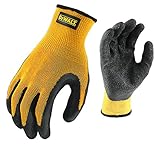
For mixed construction and yard tasks, look for a knitted or synthetic shell with a nitrile, latex, or polyurethane palm coating. A close fit matters more than thick padding. Loose fingertips make it harder to handle screws, staples, pruning tools, and small hardware, and they can catch on rotating equipment.
Nitrile-coated gloves are the safest general recommendation. They usually grip well in dry conditions, tolerate light oil better than latex, and are available cheaply in multipacks. Foam nitrile has a slightly softer, more flexible feel but can wear faster when handling rough lumber or concrete block. Smooth nitrile tends to last longer against abrasion, though it may feel less grippy.
Latex-coated gloves often provide excellent wet grip and flexibility. The trade-off is that latex can degrade with oils and some users are allergic to it. Polyurethane-coated gloves are thin and precise, making them useful for assembly and light finish work, but they are not the best choice for hauling rough materials.
For thorny brush, demolition, or repeated handling of sharp-edged metal, consider puncture-resistant work gloves. “Puncture resistant” does not mean puncture-proof, and performance varies widely. Check the palm and fingertips, not just the marketing label.
Best Glove Types by Task
| Glove type | Best use | Typical price | Main weakness |
|---|---|---|---|
| Coated knit | General construction, landscaping, lifting | $2–$8 per pair | Coating wears through on rough surfaces |
| Leather palm | Lumber, masonry, hauling, abrasion | $8–$20 per pair | Less dexterity and breathability |
| Impact gloves | Material handling and occasional impact hazards | $15–$30 per pair | Bulky; unnecessary for light chores |
| Cut-resistant gloves | Sheet metal, sharp stock, utility work | $10–$25 per pair | Can be stiff and still do not stop every cut |
| Waterproof or insulated gloves | Cold, wet yard work | $12–$35 per pair | Hands sweat; reduced fine control |
Coated knit gloves are the value winner for most homeowners. Buy two or three pairs and rotate them rather than paying for one premium pair. A glove that costs $5 and lasts 10 work sessions is a better value than a $15 glove that lasts 20 sessions only if you actually need its extra features.
Leather palms make sense when you are dragging lumber, loading firewood, moving pavers, or handling coarse concrete surfaces. They resist abrasion better than thin coatings, but leather can become stiff after drying and usually gives up some fingertip control. For routine planting, raking, and assembling outdoor projects, leather is often more glove than you need.
Budget Picks That Usually Make Sense
A basic nitrile-coated work glove multipack is the practical starting point. Choose a size that leaves no loose material at the fingertips. Multipacks commonly reduce the per-pair price enough that replacing a worn glove is cheaper than washing and repairing it.
For rougher work, a leather palm work glove is a better buy than several thin coated pairs. Expect less precision, especially when using fasteners or small hand tools. Look for reinforced stitching and a cuff that extends past the wrist; short, loose cuffs let debris fall inside.
If you use a hedge trimmer, loppers, or hand saws around thorny plants, a long-cuff thorn-resistant gardening glove can be worthwhile. These gloves protect the forearm better than standard mechanic-style gloves, but they are hotter and less useful for construction tasks.
Fit, Sizing, and Common Failure Modes
Measure around the widest part of your dominant hand and compare that measurement with the manufacturer’s chart. If you are between sizes, choose the smaller size when the glove material is stretchy. A glove that is too tight causes hand fatigue and may split at the seams; one that is too large reduces grip and control.
The first failure point is usually the coating under the thumb and index finger. That is where gripping, twisting, and carrying concentrate wear. Holes at the fingertips indicate the glove is too small, the material is too thin for the work, or the glove has been exposed to solvents or excessive heat.
Do not keep using a glove with a torn palm around powered tools. A split can catch on a chuck, bit, blade, or rotating shaft. Remove gloves when operating equipment where the manufacturer warns of entanglement, particularly drill presses, lathes, and some saw setups.
When to Buy and How to Save
Gloves are often cheapest in multipacks during spring gardening promotions and late-summer home-improvement sales. Winter clearance can be good for insulated gloves, but check for hardened rubber or cracked coatings from long storage. Buying before peak spring cleanup is better than waiting until a single pair fails mid-project.
Keep one lightweight coated pair for dry work, one tougher pair for hauling, and disposable nitrile gloves for dirty jobs underneath reusable gloves. Wash coated gloves according to the label, air-dry them away from direct heat, and replace them when grip or fabric integrity is gone. The cheapest glove is fine for occasional raking; the better value is the glove that matches the hazard without adding features you will never use.