Best Affordable Garden Auger for Planting and Soil Preparation
What's inside
As an Amazon Associate I earn from qualifying purchases. This post may contain affiliate links at no extra cost to you.
A garden auger is a simple tool: a spiral bit cuts into soil and lifts it out, creating a hole for bulbs, seedlings, fence posts, or soil amendments. The affordable options are usually hand-powered or designed to fit a cordless drill. Choosing between them matters more than paying for a premium brand. A cheap auger can be excellent in loose garden soil and nearly useless in rocky clay.
As an Amazon Associate we earn from qualifying purchases at no extra cost to you.


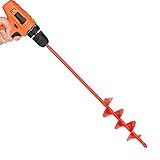

Where a garden auger saves time
For planting, an auger is fastest when you need repeated holes of a similar size. A 1.5- to 2-inch bit works well for bulbs, annual flowers, and small vegetable starts. A 3- to 4-inch bit makes wider holes for bedding plants, plugs, and small shrubs. Most planting holes need to be 4 to 8 inches deep, so a bit in the 7- to 12-inch range covers ordinary garden work.
Augers are also useful for mixing compost into compacted beds and drilling pilot holes for small stakes. They are not a substitute for a post-hole digger. A drill-mounted auger may stall or twist your wrist in hard ground, while a hand auger is slow for holes deeper than about 12 inches.
The affordable auger types
| Type | Typical price | Best for | Main drawback |
|---|---|---|---|
| Hand bulb auger | $10-$25 | Bulbs, soft beds, occasional planting | Slow in dry or compacted soil |
| Drill-powered planting auger | $15-$40 | Dozens of planting holes and small starts | Can bend, jam, or overload a drill |
| Long-handled manual auger | $25-$60 | Deeper holes without kneeling | More effort and storage space |
| Heavy-duty earth auger | $80-$200+ | Frequent deep holes and tougher soil | Overkill for normal planting |
For most homeowners, a drill-powered garden auger bit set offers the best value if a cordless drill is already available. A basic hand bulb auger is the better buy when you plant only a few bulbs each season or do not own a drill.
Features that affect value
Check the shaft and connection before looking at branding. A hex shank is preferable to a round shank because it grips a drill chuck more securely and is less likely to slip. A 3/8-inch shank is common for smaller planting bits. Larger bits may use a 1/2-inch shank or require a more powerful drill.
Look for a welded steel spiral with a reasonably sharp leading edge. Very thin, flexible flights may work in loose potting soil but deform when they meet a root or stone. Powder-coated finishes help with rust, but they do not make a weak auger stronger. A bit that is 8 to 12 inches long is usually enough for planting; longer designs become harder to control.
Sets sound economical, but only if the sizes match your work. A three-piece set with 1.6-, 2.4-, and 3.2-inch bits is more useful than a large set filled with oversized bits. For bulbs, a single small bit is often all you need. If you are planting landscape plugs, choose a bit slightly wider than the root ball, not the largest size available.
Brand value versus bargain pricing
Brand-name garden augers generally offer better weld consistency, straighter shafts, and clearer size specifications. That matters when you are drilling hundreds of holes or using a high-torque drill. However, the performance gap is modest in loose, prepared soil. A low-cost auger can be the sensible choice for a spring planting project that involves 20 or 30 holes.
Pay more for a recognized tool brand when you need replacement parts, use the auger every season, or expect roots and dense soil. Choose a generic hand bulb planter auger when the job is light and the price difference is significant. Avoid listings with no shaft diameter, no overall length, and only vague claims such as “heavy duty.” Those omissions often signal thin steel or inconsistent manufacturing.
Soil limits and common failure modes
Moist, crumbly soil is ideal. In dry clay, the auger may spin without advancing, polish the hole walls, or bring up a solid plug. Water the bed deeply the day before, then let the surface drain. Do not operate a drill auger in saturated mud; it can clog the flights and create a slick, oversized hole.
Rocks and thick roots are the main causes of failure. A small stone can stop a low-cost bit abruptly and rotate the drill body into your hand. Use the drill’s low-speed setting, keep both hands on the tool, and remove resistance rather than forcing it. If you feel the bit bind, release the trigger immediately. Never hold the workpiece or soil area with your other hand close to the bit.
Expect a drill-powered auger to be most comfortable at roughly 200 to 500 rpm. High speed creates heat, throws soil, and increases binding. A compact drill may manage small holes, but a 1/2-inch chuck drill with a side handle is safer for larger bits. Do not use hammer mode unless the manufacturer specifically permits it.
When to buy and how to spend less
Spring is the easiest time to find planting augers, but prices often rise when gardeners are actively buying. Look during late winter, after-season clearance, and major holiday tool promotions. A basic bit that sells for $18 to $25 in April may drop below $15 in late summer. Sets are commonly discounted more than individual bits, though the advertised savings are not useful if two sizes will sit unused.
Before buying, measure your drill’s chuck capacity and battery condition. A worn battery can make a cheap auger seem defective because the drill lacks torque. Also budget for a small brush and rust inhibitor; cleaning soil from the flights after each use extends the life of inexpensive steel.
The practical choice
Buy a hand auger for occasional bulbs and soft beds. Buy a small drill-mounted auger for repeated planting, provided your drill has adjustable speed and enough torque. For mixed work, a modest garden auger bit set for drill planting is usually the strongest value. Skip powered earth augers unless you regularly make deep holes or work a large plot. In ordinary prepared soil, spending more on a straighter, better-welded bit is worthwhile; in occasional light-duty use, the cheaper option is perfectly adequate.