Best Budget Soil Cultivator for Small Garden Beds
What's inside
As an Amazon Associate I earn from qualifying purchases. This post may contain affiliate links at no extra cost to you.
For small garden beds, the best budget soil cultivator is usually a compact hand tool rather than a powered tiller. A three- or four-tine cultivator can break the top 2 to 4 inches of soil, mix in compost, and remove small weeds without disturbing the whole bed. It is slower than a motorized tool, but it costs less, stores easily, and is much less likely to damage roots or fling mulch into the path.
As an Amazon Associate we earn from qualifying purchases at no extra cost to you.


Quick picks by garden size and soil type
| Garden condition | Best budget choice | Typical price | Main limitation |
|---|---|---|---|
| Raised beds and loose soil | Short-handle hand cultivator | $8–$18 | Requires kneeling or bending |
| Several beds or firm soil | Long-handle cultivator | $15–$35 | Less precise around plants |
| Hard, compacted beds under about 100 square feet | Heavy-duty hand cultivator or claw tool | $18–$40 | Still slow in badly compacted ground |
| New beds or more than about 200 square feet | Small electric cultivator | $80–$160 | Can cut roots and needs cord or battery |
The best budget choice for most small beds
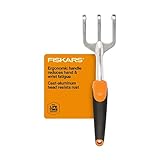
For a typical raised bed, buy a hand cultivator with three or four curved tines and a handle around 12 to 16 inches long. Look for forged or thick steel tines, a solid connection between the head and shaft, and a comfortable grip. A basic steel cultivator in the $10 to $20 range is enough for annual vegetable beds that have been maintained with compost and mulch.
Three tines pull through soil with slightly less resistance and leave more room between the tines for roots and debris. Four tines cover a little more ground and are useful for raking in fertilizer or leveling loose soil. The difference is small; build quality matters more than the tine count.
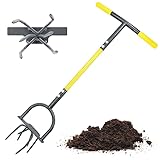
If you prefer to stand, a long-handle garden cultivator is worth the modest increase in cost. A 48- to 60-inch handle saves your back, but it gives you less control around seedlings. For beds narrower than 3 feet, a short tool is usually easier to place accurately.
What to look for before buying
Head construction: A forged one-piece head is the safest choice for compact soil. Welded heads can also last for years, but inspect the weld where the tines meet the shank. Avoid very thin stamped metal that flexes when you pry against a stone.
Tine shape: Curved tines pull and lift soil. Straight tines are better for scratching a shallow crust but can skid across hard ground. Tines about 2 to 3 inches long are suitable for established beds. Longer tines reach deeper but are more likely to hit roots.
Handle attachment: The head should not wobble when you twist it sideways. A loose ferrule is a common failure point on inexpensive tools. If the handle is wooden, check for cracks near the metal socket. Fiberglass or steel handles resist weather better, though they may feel less comfortable in cold conditions.
Grip: A soft, oversized grip reduces blisters during repeated cultivation. Do not choose a tool with a permanently slick plastic handle just because it looks clean in a product photo. A simple rubber sleeve or gloves can solve this, but a comfortable factory grip is preferable.
Brand value versus the cheapest tool
The cheapest cultivators often cost $5 to $9. They are fine for light work in potting soil, fresh compost, or a recently watered raised bed. They become poor value when the head bends, the handle loosens, or the coating chips after one season. If you cultivate only a few containers twice a year, buying cheap is reasonable.
At roughly $12 to $25, established garden-tool brands usually offer better steel, cleaner welds, and replacement or warranty support. You are not necessarily buying a tool that cultivates faster. You are buying one less likely to fail when it meets a buried rock or a dry patch of clay. For a gardener working several beds every week, that price difference is generally justified.
For especially tough soil, consider a heavy-duty hand garden cultivator with a thicker shaft. It may cost $20 to $40, but it is still cheaper and easier to control than a powered cultivator for a 20- to 100-square-foot bed.
When a powered cultivator is worth the money
A small electric cultivator makes sense when you are preparing a new bed, dealing with neglected soil, or maintaining more than about 200 square feet. Electric models commonly work to a depth of 4 to 6 inches and can prepare soil much faster than a hand tool. They also make sense for gardeners who cannot kneel or repeatedly pull a hand cultivator.
However, powered cultivators have important failure modes. Their tines can wrap in roots, vines, and long grass. They can bury surface weeds rather than remove them, leaving them to regrow. They can also chop perennial roots into smaller pieces, making plants such as bindweed and quackgrass harder to control. A corded model requires careful cable management; a battery model adds battery and charger cost.
For small beds, avoid buying a powered tool solely because it is on sale. A small electric garden cultivator is useful for soil preparation, not delicate cultivation between established vegetables. Once plants are growing, a hand tool is safer.
How to cultivate without damaging the bed
Water hard soil lightly the day before working. Soil should crumble when squeezed, not form a muddy ball. Push the tines 1 to 2 inches into an established bed and pull toward you in short strokes. Work around the drip line of plants rather than directly against their stems. Deeper passes can sever shallow roots, especially around lettuce, onions, and herbs.
Use the cultivator to loosen the surface, then rake in compost or fertilizer. If the tool repeatedly stops against stones, do not use the handle as a lever; that is how inexpensive heads bend. Remove large stones by hand or use a digging fork first. Keep a 2- to 3-inch mulch layer on the bed afterward to reduce crusting and future weed growth.
When to buy for the best value
Hand cultivators are often cheapest in late summer and fall, after the main planting season. Home centers clear garden tools before winter, and online prices commonly soften during end-of-season sales. Spring offers the widest selection, but popular tools may sell at full price from March through May.
Powered cultivators tend to see discounts during late-season clearances and around major holiday promotions. Check the complete cost, including batteries, chargers, extension cords, and replacement tines. For most small beds, a well-built $15 hand cultivator bought in the fall remains the better value than a discounted $100 machine that spends most of the year in storage.