Best Affordable Battery Sprayer for Garden and Fence Treatments
What's inside
As an Amazon Associate I earn from qualifying purchases. This post may contain affiliate links at no extra cost to you.
A battery sprayer is useful when a hand pump feels slow but a gas-powered unit is excessive. For garden beds, fence lines, deck treatments, and occasional weed control, the best value is usually a small electric backpack or handheld sprayer with a replaceable battery, a 1- to 2-gallon tank, and adjustable pressure. The right choice depends less on maximum spray distance than on cleanup, battery cost, and whether the pump can handle the products you use.
As an Amazon Associate we earn from qualifying purchases at no extra cost to you.

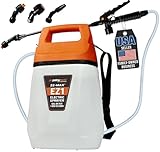
What to look for in an affordable battery sprayer
For most homeowners, a 1- or 2-gallon sprayer is the practical range. A 1-gallon tank weighs about 8 to 9 pounds when full, while a 2-gallon tank approaches 18 pounds. That difference matters when treating a fence for 30 minutes or carrying the sprayer around raised beds.
Look for a lithium-ion battery, a removable tank lid, a filter at the tank opening, and a wand with replaceable seals. Adjustable pressure is more useful than a high advertised maximum. Around 20 to 40 psi is enough for herbicides and most garden treatments. Higher pressure can produce drift, waste liquid, and push stain or preservative into unwanted areas.
Battery claims should be treated as estimates. A small sprayer may run for 30 to 60 minutes of intermittent spraying, but thick liquids, cold weather, and continuous use reduce that figure. A spare battery is more valuable than a larger tank if you already own compatible tools from the same brand.
The best value by job
| Sprayer type | Typical price | Best use | Main drawback |
|---|---|---|---|
| Handheld 1-gallon battery sprayer | $25–$55 | Small gardens, spot weed control, occasional cleaning | Shorter runtime and more frequent refills |
| 2-gallon battery backpack sprayer | $45–$100 | Fence treatment, lawns, vegetable gardens | Heavier when full; inexpensive models may leak |
| Tool-brand bare sprayer | $70–$150 without battery | Frequent use when you own the battery platform | Total cost is high if you need a battery and charger |
| Large 4-gallon battery backpack | $100–$220 | Large properties and long treatment runs | Heavy, bulky, and unnecessary for most fences |
For a small yard, a 1-gallon battery garden sprayer is often the cheapest sensible purchase. It is easier to rinse and less tiring to carry. The cheaper option is fine when you treat under 2,000 square feet, spray only a few times per season, and do not need to cover a long fence in one fill.
Choose a backpack when the job involves several fence panels, a large lawn, or repeated applications. A backpack spreads the load across your shoulders, but check the strap padding and tank shape. A low-cost unit with thin straps can be more uncomfortable than a handheld sprayer after 20 minutes.
Compare battery platforms before buying
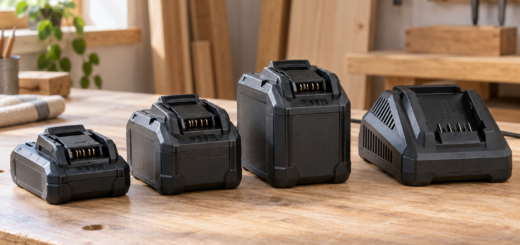
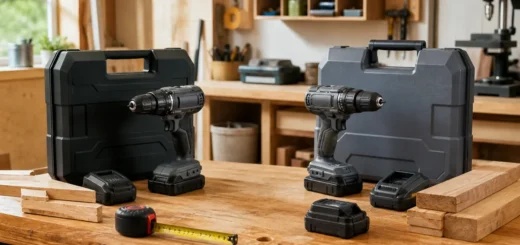
Battery compatibility can change the value calculation. A tool-brand sprayer sold without a battery may cost less initially, but adding a battery and charger can push the package above $150. That purchase makes sense if you already own several tools using the same 18- or 20-volt battery. Otherwise, a complete kit from a garden-tool brand is usually cheaper.
Proprietary batteries are not automatically bad, but replacement availability matters. Search for the battery separately before buying, and check whether it costs nearly as much as the sprayer. Some low-price kits use small batteries that are difficult to replace after two or three seasons.
A cordless backpack sprayer with battery and charger is generally the better value for a first-time buyer who needs to cover a fence or larger garden. For occasional spot spraying, paying extra for a major tool platform is usually unnecessary.
Using a battery sprayer on fences
Fence stains, preservatives, and water repellents require more care than weed killer. First confirm that the product allows spraying. Some coatings are too thick for small electric pumps and can clog the intake filter or nozzle. If the label specifies a roller or brush, follow that instruction rather than forcing the product through a sprayer.
Spray a test section before treating the full fence. Use a coarse fan pattern and keep the wand about 10 to 14 inches from the boards. Work in manageable sections, maintaining a wet edge without flooding knots and joints. Wind above roughly 5 to 10 mph can carry overspray onto siding, vehicles, or neighboring property, especially with a fine nozzle.
Expect coverage to vary widely. A thin water-based treatment might cover 150 to 250 square feet per gallon, while a thicker stain may cover closer to 100 to 150 square feet. Do not size the sprayer by tank capacity alone; the product label’s coverage rate determines how many refills you need.
Common problems and how to avoid them
The most common failure is a clogged nozzle. Strain the liquid when filling, keep the tank filter installed, and do not leave mixed chemicals sitting overnight. If the spray weakens, stop and rinse the nozzle instead of increasing pressure.
Leaks usually come from a loose hose fitting, a damaged O-ring, or a lid gasket that was not seated correctly. Check these parts with clean water before adding chemical. Replacement seals are inexpensive, but some very cheap sprayers have metric fittings that are difficult to match.
Battery sprayers also fail from poor storage. Empty and rinse the tank, hose, wand, and nozzle after every use. Run clean water through the pump for 30 to 60 seconds, then remove the battery and store it indoors. Never store a lithium-ion battery in an unheated shed where winter temperatures can fall below freezing.
When to buy for the best price
Prices are often lowest after the main growing season, from late summer through early winter. Retailers clear garden equipment after weed-control demand drops. Spring has the widest selection, but popular kits can cost 10% to 25% more and sell out during the first warm weekends.
Before buying a sale item, check the included battery size, tank capacity, nozzle types, and return policy. A $35 sprayer that includes a weak battery and has no replacement parts may be worse value than a $60 kit with a standard charger and available seals. For most homeowners, the sensible target is a complete 1-gallon kit for light work or a 2-gallon backpack kit for fence and property-sized jobs.