Best Value Electric Chainsaw for Light Residential Cutting
What's inside
As an Amazon Associate I earn from qualifying purchases. This post may contain affiliate links at no extra cost to you.
For light residential cutting, the best-value electric chainsaw is usually not the most powerful saw on the shelf. It is a compact cordless model with a 10- to 14-inch bar, a battery you can use in other tools, and enough torque for pruning, storm cleanup, and occasional firewood. Corded saws still offer the lowest purchase price, but only when your work stays close to an outlet.
Expect to spend roughly $60 to $100 for a basic corded saw, $120 to $220 for a useful cordless kit with battery and charger, and $200 or more for higher-capacity cordless packages. Prices move heavily during spring promotions, summer outdoor-tool sales, and November holiday events.
As an Amazon Associate we earn from qualifying purchases at no extra cost to you.


What “light residential cutting” includes
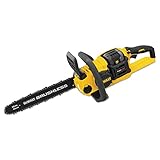
A light-duty electric chainsaw is appropriate for branches, small fallen trees, fence-line clearing, and cutting logs roughly 4 to 10 inches thick. A 10-inch bar is easy to control for pruning and small limbs. A 12- or 14-inch bar gives more reach and capacity without becoming excessively heavy.
These saws are not a good substitute for a gas saw when you regularly cut hardwood logs over 12 inches, work all day, or need to fell substantial trees. A short bar can technically cut a larger log from both sides, but that increases the chance of pinching the chain, overloading the motor, or making an inaccurate cut.
Cordless versus corded value
| Type | Typical price | Best use | Main drawback |
|---|---|---|---|
| 8- to 12-inch corded | $60–$110 | Pruning and small branches near a house | Extension cord limits reach and can be cut |
| 10- to 14-inch cordless | $120–$220 with battery | General yard cleanup and occasional firewood | Battery runtime and replacement cost |
| 14- to 16-inch premium cordless | $220–$400 with battery | Frequent cleanup and larger limbs | More weight and poor value for occasional use |
A corded 10-inch electric chainsaw is the sensible cheap choice if you are trimming one or two trees beside the garage. It does not need a battery, does not lose power as the pack drains, and can run continuously. Use a heavy-duty outdoor extension cord of the size specified by the manual, usually 12 or 14 gauge for longer runs. Keep the cord behind you and use a cord-retaining hook; a severed extension cord is a common and expensive mistake.
For most homeowners, cordless is the better overall value because it starts instantly and eliminates the cord hazard. The key is buying into a battery platform you will actually use. A bare tool may look cheap, but adding a battery and charger can raise the real price by $60 to $150.
Features worth paying for
Automatic chain oiling is essential. A transparent oil reservoir is useful because you can spot an empty tank before the chain overheats. Tool-free chain tensioning is convenient, but it is not automatically better: inexpensive adjusters can loosen during use. A saw with a solid side cover and a conventional tension screw may take longer to adjust but can hold tension more reliably.
Look for a mechanical chain brake, a hand guard, a trigger lockout, and a visible battery charge indicator. Metal bucking spikes help the saw stay planted against a log. They are not a reason to buy a heavy professional saw, but their absence makes controlled cutting harder.
Do not select by advertised bar length alone. Motor output, battery voltage, chain pitch, and weight matter more. A light 12-inch saw that weighs about 7 to 10 pounds with its battery is easier to control than a poorly balanced 16-inch model. For occasional pruning, lower weight is usually worth more than extra cutting capacity.
The best-value buying strategy
If you have no cordless tools, compare complete kits rather than bare tools. A 12-inch cordless chainsaw kit with battery and charger is the practical middle ground for most residential work. Choose a 2.0- to 4.0-Ah battery for occasional cutting. A larger 5.0-Ah pack extends runtime but adds weight and can cost nearly as much as the saw.
If you already own batteries from a reputable tool line, buying the matching bare saw is often the strongest value. The downside is platform lock-in. Batteries from one brand generally do not work safely or reliably on another brand’s tool, and replacement packs can be expensive. Before choosing a platform, check the prices of both small and large replacement batteries, not just the current sale price of the saw.
For a homeowner who cuts only a few branches each year, the cheaper option is fine. A corded saw or a basic cordless kit will complete the work if the limbs are small and the operator is patient. Spending twice as much mainly buys convenience, better balance, longer runtime, stronger components, and access to a broader tool ecosystem.
When to buy
Spring is a good time to buy before pruning and storm season, but popular cordless kits may sell at regular prices. Memorial Day, July promotions, Labor Day, and Black Friday commonly produce better package deals. Watch for a free battery, an extra battery, or a charger bundled with the tool; these bonuses can be worth more than a small price reduction.
Late winter can also be a good clearance period for corded saws and older cordless kits. Check battery age when buying clearance inventory. Lithium-ion packs lose capacity while sitting, especially in hot warehouses. A low price is less attractive if the included battery is weak or the platform has been discontinued.
Operating costs and maintenance
Budget at least $15 to $30 for replacement chains over the life of the saw, plus bar oil. Sharpening is cheaper than replacing chains, but many inexpensive saws use narrow chains that require the correct file size. A dull chain produces fine dust, cuts slowly, wanders, and makes the motor work harder. If the saw smokes or the bar becomes too hot to touch, stop immediately and check oil flow and chain sharpness.
After every use, clean sawdust from the sprocket cover, check chain tension, and empty or inspect the oil reservoir according to the manual. Store cordless batteries indoors, away from extreme heat and freezing temperatures. Never cut above shoulder height, and avoid cutting wood that is under tension unless you understand where it may move when released.
For most light residential work, buy the smallest saw that comfortably handles your largest normal branch. That usually means a 12-inch cordless kit for mobility, or a 10-inch corded saw for the lowest upfront cost. The right match saves money twice: at checkout and by avoiding a tool that is too heavy, too weak, or too complicated for the jobs you actually have.