Best Value Electric Snow Shovel for Light Snowfall
What's inside
As an Amazon Associate I earn from qualifying purchases. This post may contain affiliate links at no extra cost to you.
For light snowfall, an electric snow shovel can be a better value than a full-size snow blower. It is smaller, easier to store, and usually costs less to maintain. The catch is that these machines are designed for a fairly narrow job: clearing a few inches of fresh, loose snow from a walkway, deck, steps, or small driveway before it freezes.
The best value depends less on maximum throwing distance than on snow depth, surface size, and whether you already own batteries from a compatible tool system. For occasional storms of 1 to 4 inches, a corded model is often the lowest-cost choice. A cordless model costs more but is much easier to use around steps and parked cars.
As an Amazon Associate we earn from qualifying purchases at no extra cost to you.


What an Electric Snow Shovel Can Handle
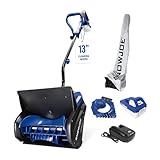
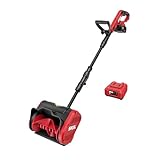
Electric snow shovels generally have a clearing width around 10 to 16 inches. Most are intended for snow roughly 4 to 6 inches deep, although performance drops quickly when the snow is wet, compacted, or deeper than the housing. Some have powered wheels or a wider intake and behave more like compact snow throwers, but the small units commonly sold as “snow shovels” require you to push and lift them much like a regular shovel.
They work best on flat or gently sloped paved surfaces. Fresh powder is the easy case. Wet snow can clog the chute or overload the motor, while frozen tire tracks and plow berms can stop a small machine completely. If your usual storms leave 8 inches or more, or the end of your driveway receives a dense ridge from the street plow, a full-size snow blower is the better tool.
Corded vs. Cordless Value
| Type | Typical cost | Best use | Main compromise |
|---|---|---|---|
| Corded electric shovel | $80–$170 | Small walks, decks, and patios near an outlet | Extension cord limits movement and can be awkward around steps |
| Battery electric shovel | $150–$350 with battery and charger | Walkways, steps, and small driveways | Higher starting price and limited runtime |
| Battery bare tool | $100–$250 | Owners already invested in the battery platform | Battery and charger may add $80–$180 |
| Gas snow blower | $400 and up | Deep snow and larger driveways | More storage, maintenance, noise, and fuel handling |
A corded unit is the value winner when you can reach the entire area with an outdoor-rated extension cord. Use a 12-gauge cord for longer runs or higher-power machines, keep connections off wet ground, and never use a damaged or indoor-only cord. A 50-foot cord is often manageable; a 100-foot cord adds drag and makes the shovel harder to control.
For cordless tools, the battery platform matters more than a small difference in advertised clearing width. If you already own batteries from a major 18- or 20-volt tool line, a bare tool can be a sensible purchase. Buying a new battery ecosystem solely for a snow shovel is harder to justify unless you expect to add other tools later. Look for a battery with at least 4.0 amp-hours for practical clearing time, especially in cold weather. Keep the battery indoors until use because cold batteries deliver less power and may shut down sooner.
Features Worth Paying For
Prioritize a rigid, adjustable handle and a trigger that can be held comfortably while wearing gloves. A poorly balanced shovel becomes tiring after only a few minutes because you are supporting both the machine and the snow load. A rotating chute is useful on a small snow thrower, but it is less important on a simple electric shovel that throws snow forward.
Check the rated clearing width and throwing distance, but treat both as optimistic fresh-snow figures. A 12-inch-wide machine may clear a 4-foot walk quickly, but only if you overlap each pass and do not let snow build up ahead of the intake. Rubber or plastic paddles are generally gentler around finished surfaces, while metal-edged designs may scrape better but can mark delicate decking or catch on uneven pavement.
Also check replacement-paddle availability before buying. A worn or cracked paddle can turn a usable machine into disposable equipment if the manufacturer does not sell parts. For value, a model with readily available paddles, belts, and batteries is often a better long-term choice than a cheaper unit with no support.
Which Category Should You Buy?
For a small paved path and occasional light snow, start with a corded electric snow shovel. It is the cheapest way to get powered clearing, and there is no battery to age between seasons. This is the right choice when an outlet is close and you do not mind managing the cord.
If you clear steps, a detached garage, or areas far from an outlet, compare cordless electric snow shovels. Pay attention to whether the listing includes a battery and charger. A low advertised price may be for the bare tool only. For a homeowner who already owns compatible batteries, a battery snow shovel bare tool can be the best deal.
For a small driveway rather than just a walkway, consider a compact cordless snow blower with wheels and a wider intake. It costs more, but the wheels reduce strain and the wider housing means fewer passes. Do not assume “snow blower” means it can handle heavy storms; compact battery models still have limits and may struggle with wet snow or plow piles.
When to Buy and How to Avoid Failures
Prices are often highest just before and during the first major storms, when inventory becomes uneven. Late winter and spring clearance can bring the lowest prices, but selection and replacement batteries may be limited. The best practical buying window is usually before the season, when you can compare complete kits and test the cord, battery, and return policy without rushing.
After each use, unplug the machine or remove its battery and clear packed snow from the intake and chute. Do not use your hands to clear a jam; use a stick or the supplied tool, even after the motor stops, because trapped tension can release the paddle suddenly. Let the unit dry before storage, then keep cordless batteries in a dry indoor location rather than in an unheated shed.
The cheaper option is fine when your storms are shallow, your area is small, and you have convenient power. Spend more for cordless operation, a supported battery platform, or wheeled handling only when those features solve a real problem. For light snowfall, avoiding overbuying is usually the biggest part of getting good value.