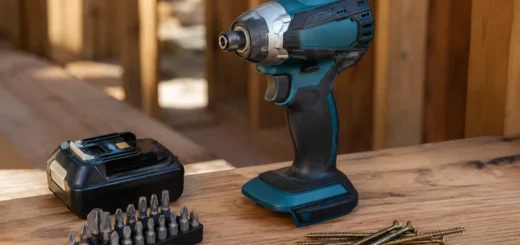
Best Affordable Cordless Vacuum for Quick Workshop Cleanup
What's inside
As an Amazon Associate I earn from qualifying purchases. This post may contain affiliate links at no extra cost to you.
The best affordable choice for quick workshop cleanup
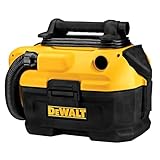
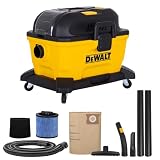
For most small workshops, the best value is a compact cordless wet/dry vacuum that uses batteries you already own. It handles sawdust, wood chips, drywall dust, and small spills without dragging out a full-size shop vacuum. A cordless wet/dry shop vacuum is usually a better workshop buy than a handheld car vacuum because it has a larger debris container, a hose, and enough airflow for floor cleanup.
Expect to spend roughly $60 to $120 for a bare tool from a mainstream tool brand, or $40 to $80 for a general-purpose cordless vacuum with its own battery. The cheaper standalone units can be perfectly adequate for occasional cleanup, but their batteries and chargers are often the weak point. If you already use a major 18V or 20V tool system, buying a bare vacuum is normally the lowest long-term cost.
As an Amazon Associate we earn from qualifying purchases at no extra cost to you.


What matters more than the advertised suction number
Manufacturers use different measurements, so maximum air watts or peak suction numbers do not tell the whole story. For sawdust, look for a vacuum with a flexible hose, a crevice tool, and a washable or replaceable filter. A narrow hose can clog when it meets planer shavings or larger chips, while an overly wide hose may be awkward for bench cleanup.
A container holding 1 to 2 gallons is a useful middle ground. Smaller handheld units fill quickly and lose performance when the filter becomes coated. Larger cordless vacuums run longer between emptying but become bulky, especially when carried up stairs or moved around a crowded workbench.
Battery capacity also has a practical limit. A compact 2.0Ah battery may provide about 10 to 20 minutes of useful workshop runtime, depending on the vacuum and whether its high-power mode is engaged. A 4.0Ah or 5.0Ah pack can extend that to roughly 20 to 40 minutes, but it adds weight. For a five-minute cleanup after cutting a few boards, a small battery is fine. For sanding, vehicle cleaning, or several rooms of renovation debris, use a larger pack or keep a spare charged.
Affordable cordless vacuum options compared
| Type | Typical price | Best use | Main drawback |
|---|---|---|---|
| Tool-system cordless wet/dry vacuum, bare tool | $60–$120 | Frequent workshop cleanup | Battery and charger may cost extra |
| Standalone cordless wet/dry vacuum kit | $40–$80 | Occasional small jobs | Shorter battery life and less durable parts |
| Cordless stick vacuum | $80–$180 | Fine dust and household floors | Usually poor with chips and wet debris |
| Cordless handheld dustbuster-style vacuum | $35–$90 | Benches, shelves, and car interiors | Small bin and limited hose reach |
The tool-system vacuum is the strongest value if you already own batteries from that brand. A bare tool priced at $80 may be cheaper than a $55 kit once you compare replacement batteries and chargers. If you do not own a battery platform, a kit with a battery is simpler, but check replacement battery prices before buying. A low-cost vacuum that needs a proprietary $40 battery can lose its price advantage quickly.
Which category is right for your workshop?
Choose a battery-platform shop vacuum when you clean up several times a week or already own compatible batteries. These models tend to have sturdier latches, better hose fittings, and more useful accessories. Their biggest trade-off is noise and battery consumption. High-power modes can drain a 4.0Ah pack surprisingly quickly.
Choose a standalone wet/dry model if the vacuum will be used only for small repairs, a garage bench, or occasional car cleaning. The cheaper option is fine when the cleanup is limited to a few handfuls of sawdust and the vacuum will not be used for long sessions. Avoid expecting it to replace a corded shop vacuum for continuous sanding or dust collection from a table saw.
A cordless stick vacuum is suitable for fine dust on a finished floor, but it is not my first choice for a workshop. Its floor head can jam on wood chips, its filter loads rapidly with drywall dust, and most models are not designed for wet pickup. Buy one only if household floor cleaning is the main job and workshop cleanup is secondary. For a small bench and toolboxes, a cordless handheld vacuum with hose and crevice tool costs less and takes up less space.
Common failure modes and how to avoid them
The most common problem is a clogged filter, not a dead motor. Empty the bin before it reaches the filter cage, and tap or wash the filter according to the manufacturer’s instructions. Never reinstall a washable filter while it is damp. Fine dust can turn into a paste, restrict airflow, and overheat the motor.
Do not use a basic cordless vacuum for large amounts of ash, very fine concrete dust, or hazardous materials unless the manual specifically permits it. Concrete and masonry dust can pass through inadequate filtration and damage the motor. A standard filter also may not provide the protection required for respirable silica. For those jobs, use a properly rated dust extractor and personal respiratory protection.
Wet pickup has its own limits. Remove a paper dust bag before collecting liquid, and do not assume every cordless model supports wet use just because it has a plastic bin. Liquid can damage electronics, enter the motor area, or create mold if the container is stored wet. Clean and dry the tank after a spill.
When to buy and how to get the best price
Battery vacuums are often discounted during major seasonal promotions, especially around spring tool sales, summer holiday events, and November shopping periods. The best deals frequently bundle a free battery, charger, or accessory rather than cutting the bare-tool price. Compare the complete package, not just the large percentage-off label.
Watch for kit promotions on the same battery platform as your drill and impact driver. A vacuum bundled with a battery can be a sensible way to add capacity, while a bare vacuum is better when you already have two or more compatible packs. Avoid buying an entire new battery ecosystem for a vacuum alone unless the vacuum will see regular use; the battery cost usually outweighs the convenience.
For a typical homeowner or hobbyist, the practical target is a compact 1- to 2-gallon wet/dry vacuum, a 4.0Ah-compatible battery, a washable filter, and a hose long enough to reach the floor without carrying the unit. That combination costs more than the cheapest handheld, but it avoids the small-bin and short-runtime problems that make budget vacuums frustrating in real workshop use.