Best Cordless Drills Under $100
What's inside
As an Amazon Associate I earn from qualifying purchases. This post may contain affiliate links at no extra cost to you.
Best Cordless Drill Under $100: Our Top Picks
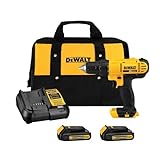
The best cordless drill under $100 for most homeowners is the DeWalt DCD771C2 — it combines 300 UWO of torque, two 20V batteries, a solid metal ratcheting chuck, and a sub-3.5 lb body for roughly $80–$99. If you’re on a tighter budget, the Black+Decker LD120VA kit delivers a drill, battery, charger, and 30 accessories for around $50–$65, and if you want the most power per dollar, the Ryobi P215 offers a beefier build and expands into the largest budget tool ecosystem available.
Sub-$100 drills have improved dramatically since 2020 — brushless motors and lithium-ion batteries have trickled down to entry-level kits. But specs alone don’t tell you which one fits your garage. Below we break down what the numbers actually mean and match drills to the jobs you’ll really do with them.
As an Amazon Associate we earn from qualifying purchases at no extra cost to you.

How the Top Budget Drills Compare
| Model | Voltage | Max Torque | Battery | Charge Time | Weight (with battery) | Chuck | Typical Kit Price |
|---|---|---|---|---|---|---|---|
| DeWalt DCD771C2 | 20V Max | ~300 UWO | 2× 1.3Ah Li-ion | ~60–90 min | 3.6 lbs | 1/2″ single-sleeve ratcheting | $80–$99 |
| Ryobi P215 (One+ HP) | 18V | ~350 in-lbs (up to ~750 in-lbs in HP versions) | 1× 1.5Ah + charger | ~60 min | 3.0 lbs | 1/2″ ratcheting | $70–$99 |
| Milwaukee M12 2407-22 | 12V | ~275 in-lbs | 2× 1.5Ah Li-ion | ~30 min | 2.2 lbs | 3/8″ ratcheting | $90–$99 |
| Bosch PS31-2A | 12V | ~265 in-lbs | 2× 2.0Ah Li-ion | ~45 min | 2.1 lbs | 3/8″ single-sleeve | $90–$99 |
| Craftsman CMCD701C2 | 20V Max | ~280 UWO | 2× 1.3Ah Li-ion | ~60 min | 3.3 lbs | 1/2″ ratcheting | $70–$90 |
| Black+Decker LD120VA | 20V Max | ~115 in-lbs | 1× 1.5Ah Li-ion | 3–5 hrs | 3.1 lbs | 3/8″ keyless | $50–$65 |
Which Drill Fits Your Situation?
Specs are only half the story. Match the drill to how you’ll actually use it:
| Your situation | Best pick | Why |
|---|---|---|
| General homeowner — furniture, drywall anchors, occasional deck repairs | DeWalt DCD771C2 | Two batteries mean zero downtime; 300 UWO handles spade bits and 3″ screws |
| Apartment dweller — assembling IKEA, hanging shelves, tight closets | Bosch PS31-2A or Milwaukee M12 | ~2.1 lbs and a 7-inch head length fit where 20V drills can’t |
| Budget-first buyer — light drilling, hanging pictures, basic driving | Black+Decker LD120VA | Cheapest complete kit; 30 included accessories cover most starter needs |
| DIYer planning to grow a tool collection | Ryobi P215 | The 18V One+ line spans 300+ tools using the same battery |
| Working overhead or all-day driving | Milwaukee M12 2407-22 | Lightest tool in the group; 30-minute fast charging keeps you working |
What the Specs Really Mean
Torque vs. speed
Torque (in-lbs or DeWalt’s UWO scale) tells you whether the drill will stall driving a 3-inch deck screw into pressure-treated lumber. Anything above ~250 in-lbs covers household work comfortably. The Black+Decker’s ~115 in-lbs is fine for pilot holes and cabinet screws, but it will bog down on lag bolts. Speed (RPM) matters more for drilling: a 1,500 RPM top speed like the DeWalt’s makes cleaner holes in softwood than a 600-RPM drill.
Battery capacity and real runtime
Amp-hours (Ah) measure fuel tank size. As a rough rule, a 1.5Ah battery driving #8 × 2″ screws into pine will sink roughly 80–120 screws per charge — enough for a weekend project but not a full fence build. Two smaller batteries beat one big one for homeowners: when pack A dies, pack B is already charged. That’s a real advantage of the DeWalt, Milwaukee, and Bosch kits over the single-battery Black+Decker and Ryobi bundles.
Chuck quality
A ratcheting metal chuck (DeWalt, Ryobi, Milwaukee, Craftsman) clamps bits noticeably tighter than a basic plastic keyless chuck (Black+Decker). You’ll feel the difference the first time a 1/2″ spade bit slips mid-hole in hardwood. A 1/2″ chuck also accepts larger bit shanks, future-proofing you for hole saws.
Ownership Realities at This Price
- Batteries wear first. Expect 3–5 years from the small 1.3–1.5Ah packs under moderate use. Store them at half charge, off the charger, in a cool space — heat and full-charge storage are the two killers.
- Brushed motors are fine here. Most sub-$100 drills use brushed motors. Carbon brushes may need replacement after several hundred hours — for a homeowner that’s 10+ years away.
- The chuck is a consumable too. Metal filings and dust wear the jaws; an occasional blast of compressed air extends its life.
- Common mistake: drilling masonry with a standard drill. None of these are hammer drills — for brick or concrete you’ll burn bits. Rent or borrow a hammer drill for those jobs.
FAQ
Is a 12V drill powerful enough for most home projects?
Yes, for anything short of structural lumber. A 12V drill like the Milwaukee M12 or Bosch PS31 drives standard screws and drills holes up to about 3/4″ in softwood without complaint — and weighs a third less than 20V models.
Should I buy a drill-only (bare tool) or a kit?
If you own no cordless tools, buy a kit — bare tools plus a separate battery and charger usually exceed $100 anyway. Bare tools only make sense if you already own batteries in that brand’s system.
Does a higher Ah battery give the drill more power?
Marginally — larger packs sustain voltage better under load, so a 4Ah pack can deliver slightly more torque than a 1.5Ah pack on the same tool. Mostly, it just buys runtime.