Best Affordable Rotary Tool Kit for Crafts and Light Repairs
What's inside
As an Amazon Associate I earn from qualifying purchases. This post may contain affiliate links at no extra cost to you.
A rotary tool is useful for small jobs that call for a spinning bit rather than a full-size drill: smoothing a rough edge, cutting a thin screw, cleaning rust from a fitting, or carving a detail into wood. For crafts and light repairs, you usually do not need a premium kit. The better value is a tool with controllable speed, a comfortable grip, and accessories suited to the material you actually work with.
As an Amazon Associate we earn from qualifying purchases at no extra cost to you.


What to look for in an affordable kit
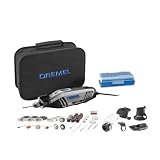
For occasional use, a corded tool in the roughly 1.5-amp range is a sensible starting point. It avoids battery cost and downtime, and it is often a better value if you work near an outlet. A cordless kit is more convenient for quick repairs or work away from a bench, but compare the price of replacement batteries and check whether the battery is included.
Variable speed matters more than a long accessory list. Lower speeds help reduce heat when sanding plastic or working on delicate details; higher speeds suit small cutting wheels and many grinding tasks. A speed range around 5,000 to 30,000 RPM covers common light-duty work, though the usable speed depends on the accessory and material. A basic on/off switch with no speed control is a poor fit for mixed craft projects.
Also check the collet size. Many kits use a 1/8-inch collet, a common size for rotary-tool accessories. A wrench, a storage case, and a small selection of cutting, sanding, and polishing accessories are useful. A flexible shaft can improve control for engraving, but it is not essential—and a cheap shaft that gets hot or wobbles can be more trouble than it is worth.
Affordable kit types compared
Prices change with sales and kit contents, so compare the tool and included accessories rather than relying on a headline price. These ranges are typical shopping targets, not guarantees.
| Kit type | Typical price range | Best for | Main trade-off |
|---|---|---|---|
| Basic corded kit | $20–$40 | Occasional sanding, polishing, and small cuts | May vibrate more; accessory quality can be uneven |
| Better-equipped corded kit | $40–$70 | Regular craft use and varied light repairs | Costs more; bundled accessories may still need replacing |
| Entry cordless kit | $40–$90 | Short jobs away from an outlet | Runtime and battery replacement cost limit value |
A low-cost corded kit is often enough for a few minutes of work at a time. Step up if you will use it weekly, need steadier speed under load, or find vibration tiring. For a general starter kit, compare corded variable-speed rotary tool kits. If portability matters more than continuous runtime, look at cordless rotary tool kits and verify what the kit includes.
Brand value without overpaying
Established tool brands often charge more, but the extra cost can buy better speed control, less vibration, a more useful case, or easier access to compatible accessories. That matters if you expect to use the tool regularly. It matters less for a one-off repair where a basic kit can handle a small amount of work.
Do not treat the accessory count as a measure of value. A kit advertising 100 or more pieces may include several duplicates, tiny sanding drums, or discs that wear quickly. A smaller set with a few usable cutting wheels, sanding bands, and a wrench can be the better buy. Check whether common accessories are standard 1/8-inch shank pieces and whether replacement consumables are easy to find.
Before choosing a bargain kit, scan reviews for repeated reports of a collet that slips, a switch that fails, excessive runout (the bit visibly wobbles), or a tool that overheats after brief use. One isolated complaint is less useful than a pattern. For a tool that will see frequent use, paying more for a dependable body and buying accessories separately is often better value than replacing a cheap kit.
Accessories, technique, and common failures
Use the accessory intended for the material. Abrasive sanding drums remove material quickly but can gouge soft wood; polishing wheels are for finishing, not cutting. Cutting discs are thin and can shatter if twisted or forced sideways. Let the tool reach speed before touching the work, use light pressure, and stop if the motor bogs down. Forcing a small tool makes the job slower and can overheat the motor or break the bit.
On plastic, start at a low speed and test on a scrap piece. Fast sanding can melt the surface and clog the abrasive. When cutting a small metal fastener, clamp the work, wear eye protection, and keep the wheel square to the cut. Sparks can ignite dust or nearby flammable material, so clear the bench first. A dust mask is sensible when sanding wood, plastic, or old coatings; avoid grinding unknown paint or finishes that may contain hazardous material.
Small jobs can still go wrong if a bit is installed poorly. Seat the shank fully in the collet, tighten it with the wrench, and check that the accessory runs true before contacting the work. If it wobbles, stop and reseat it; do not try to compensate by pressing harder. Unplug a corded tool or remove its battery before changing accessories.
When to buy and when to skip the kit
Prices often dip around major sale periods and holiday promotions, but accessory bundles are not automatically a bargain. Compare the same tool’s price across retailers, check whether the advertised kit includes the battery or charger, and consider whether you already own compatible accessories. A modest discount on a useful variable-speed tool is better than a steep discount on a kit full of parts you will not use.
Skip the rotary tool if the job needs sustained cutting, deep drilling, or material removal over a large area. A jigsaw, drill, or angle grinder is safer and more efficient for those tasks. For occasional engraving, deburring a small edge, or trimming a thin piece of hardware, a basic corded kit is usually the economical choice. Spend extra only when steadier control, cordless access, or frequent use will make a noticeable difference.