Best Value Tools for Weekend Home Improvement Projects
What's inside
As an Amazon Associate I earn from qualifying purchases. This post may contain affiliate links at no extra cost to you.
Weekend projects rarely need professional-grade tools. They do need tools that fit the job, hold up to occasional use and don’t turn a small repair into a frustrating one. The best value usually comes from buying a dependable basic tool for the work you’ll repeat, then renting or borrowing equipment for a one-off job.
As an Amazon Associate we earn from qualifying purchases at no extra cost to you.


Start with the job, not the brand
Make a short list of the tasks you expect to tackle this year: hanging shelves, assembling furniture, repairing a fence or painting a room. Match tools to those jobs before shopping. A drill and a tape measure will see regular use in most homes; a flooring nailer may be needed once and take up storage space for years.
For common repairs, a basic kit with a tape measure, utility knife, level, screwdrivers, pliers and adjustable wrench is more useful than a large assortment of low-quality bits and specialty tools. Check that the tape measure locks securely and retracts without buckling. A level should read consistently when turned end-for-end on the same surface; if it doesn’t, don’t trust it for installing cabinets or shelves.
Where to spend—and where to save
Spend more on tools that affect accuracy, safety or repeated work. A wobbly step ladder, a drill chuck that slips or a level that reads wrong can waste material or cause an injury. For tools used only occasionally, a simpler version is often adequate if it has sound construction and the features the job requires.
For a first cordless tool, an 18- or 20-volt drill-driver is a versatile choice for screws and ordinary drilling. Voltage labels aren’t a reliable way to compare power across brands, so compare the tools’ intended use, battery capacity and kit price instead. A small 1.5- or 2.0-amp-hour battery keeps a drill light for short tasks; a larger battery can be useful for repeated drilling but adds weight. A second battery is helpful if a project will run longer than one charge.
Choose a platform based on the next tools you’re likely to need, not just the cheapest drill on the shelf. Batteries and chargers are usually tied to a brand’s system, and buying them separately can erase a low kit price. If you already own compatible batteries, a bare tool may be the best-value purchase. If you don’t, compare starter kits and check whether the charger is included.
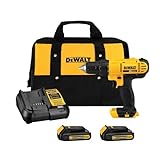
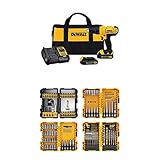
Compare cordless drill-driver kits before buying, and check exactly what each package includes. Kits with extra accessories aren’t automatically better value if the bits are poor quality or duplicates.
A practical comparison for weekend buyers
| Tool or category | Good value for | What to check | When to rent or borrow |
|---|---|---|---|
| Basic drill-driver kit | Furniture assembly, shelves, routine repairs | Battery and charger included; comfortable grip; compatible battery platform | Usually worth owning for a typical home |
| Circular saw | Repeated cuts in lumber or sheet goods | Blade size, guard movement, base stability and a suitable blade | One small cutting job, especially if you lack safe support space |
| Random-orbit sander | Paint prep and smoothing wood | Dust collection and readily available sanding discs | A single small surface may be faster to sand by hand |
| Pressure washer | Regular patio, siding or vehicle cleaning | Hose connections, storage needs and the cleaning method the surface allows | Infrequent cleaning; rental avoids storage and maintenance |
A lower-priced circular saw can make clean, repeatable cuts when paired with a sharp blade and careful setup. A dull or unsuitable blade can tear out plywood edges and make the saw work harder. For a one-time shelf or trim job, a handsaw may be slower but costs less and avoids buying a tool you may rarely use. When using a powered saw, secure the work, keep hands clear of the cut line and follow the tool’s manual.
Compare the whole ownership cost
Established brands often offer wider battery selection, replacement parts and more service options. That can matter if you plan to add tools over several years. But a familiar logo alone doesn’t justify a price premium. Compare the kit contents, warranty terms, battery cost and whether the tool has the capacity for your actual work. A budget drill is perfectly reasonable for occasional pilot holes and furniture assembly; it may overheat or drain small batteries quickly when driving long screws all afternoon.
For corded tools, compare handling and usable features as well as motor ratings. A corded sander can be an excellent buy for a project in one room, since you don’t have to purchase batteries. The trade-off is managing the cord around the work and finding an outlet. For tools you’ll use only briefly, a straightforward corded model often beats paying extra for cordless convenience.
Consumables deserve part of the budget. The right drill bit, saw blade or sanding disc can improve results more than stepping up one tool tier. A cheap assortment may include soft bits that round over quickly; buy a smaller set suited to the material instead. Also allow for clamps, eye protection and dust control where the task calls for them.
Shop by season, but check the real price
Promotions often cluster around major holiday weekends and spring home-improvement season. Battery-platform bundles can offer genuine savings when they include tools you planned to buy. Compare the sale price with recent prices at more than one retailer, and check whether the advertised deal requires a specific battery or accessory purchase.
Seasonal timing matters more for bulky or occasional equipment. If a pressure washer is needed for one driveway, compare the purchase price with a day’s rental and the cost of storing it. Using excessive pressure can damage wood, paint or masonry, so choose an appropriate nozzle and follow the surface manufacturer’s guidance rather than assuming more power is better. Compare electric pressure washers for home use if you expect to use one regularly.
Avoid false savings
Don’t buy a large kit just because its per-tool price looks low. If half the tools will sit unused, a smaller kit plus one carefully chosen tool costs less in the long run. Before checkout, confirm return terms, included accessories, battery compatibility and whether replacement consumables are easy to find.
For a project that involves cutting, sanding or drilling, plan for dust and safe workholding. A bargain tool that lacks a usable guard, secure handle or reliable switch isn’t a good deal. If you’re unsure whether a tool or technique is safe for the material or task, stop and check its manual or get qualified help—especially for electrical, plumbing or structural work.