Best Affordable Measuring Tools for Accurate DIY Projects
What's inside
As an Amazon Associate I earn from qualifying purchases. This post may contain affiliate links at no extra cost to you.
What accuracy costs in a DIY toolkit
You don’t need a professional surveyor’s kit to hang shelves, cut trim or lay out a small patio. But a bargain tool that’s off by a few millimetres can turn a simple job into repeated cuts and patching. For most household projects, spend first on a dependable tape measure and a solid spirit level. Add a square or laser only when the work calls for it.
Prices vary by store and season, so compare features and construction rather than chasing a particular sticker price. A practical starter set is often available for less than the cost of one higher-end laser. The right choice depends on the job: a tape and square are enough for a bookcase; long flooring runs may justify a laser.
As an Amazon Associate we earn from qualifying purchases at no extra cost to you.


Choose by the job, not the feature list
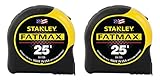
Before buying, measure the longest span you expect to work on, decide whether you need metric, imperial or both, and consider whether the tool will live in a drawer or ride in a toolbox. A 16-foot (about 5-metre) tape suits most indoor tasks. For rooms, decks and longer stock, a 25-foot (about 7.5-metre) tape is more useful, though bulkier.
For a basic kit, look for a tape with readable markings, a hook that doesn’t wobble excessively and a case you can grip. A 25-foot tape measure is a sensible all-rounder if you routinely measure rooms or sheet goods. If you mostly assemble furniture, the extra length adds little value; a shorter tape is easier to carry and store.
Affordable tools compared
| Tool | Good for | What to check | When to spend more |
|---|---|---|---|
| Tape measure | Furniture, trim, general layout | Clear graduations, secure lock, hook movement | Frequent job-site use or repeated long measurements |
| Spirit level | Shelves, cabinets, posts | Vial visibility and accuracy in both orientations | Long walls, cabinetry or daily use |
| Combination square | Marking 90- and 45-degree lines | Blade sits firmly; head is square to the rule | Fine woodworking or frequent layout work |
| Laser level | Cabinets, tile lines, room layout | Visible line, stable mount and clear accuracy rating | Large rooms or repeated alignment tasks |
Prices alone don’t tell you whether a tool is accurate. Test a level by placing it on a flat surface, noting the bubble, then turning it end-for-end in the same spot. The bubble should return to the same position. This simple reversal test can reveal a miscalibrated level before you trust it on a shelf.
Spend carefully on a tape measure
For occasional DIY, a basic tape from a known tool brand is usually enough. The expensive features—extra-wide blade reach, tough case armour or standout distance claims—matter most when you work alone or use the tape all day. They’re less important when a helper can hold the far end.
Check that the tape’s hook has a little play. That movement compensates for the hook’s thickness when measuring from inside or outside an edge; it isn’t necessarily a defect. The hook should still be secure, and the blade should retract without snagging. A damaged hook or kinked blade can shift readings. For precision cuts, measure twice and mark with a sharp pencil rather than relying on a broad marker line.
Levels and squares: simple tests beat brand claims
A short level is handy for pictures and shelves, but it can miss a gradual slope over a long run. A 24-inch (61-centimetre) level is a useful middle ground for household work; a longer level is better for long cabinet runs, provided you have room to store it. A 24-inch spirit level is often a better first purchase than a cheap laser if your jobs are mostly short and close to the wall.
Check a level on a known flat surface using the reversal test, and check a square by drawing a line along its edge, flipping it over and drawing again from the same starting point. If the lines diverge, don’t trust it for accurate layout. A low-cost combination square can be useful, but a loose head may slide while marking and produce inconsistent cuts. Keep its blade and contact faces clean; sawdust between the tool and workpiece can spoil a reading.
When a laser is worth the extra money
A laser level makes sense when you need a level reference around a room—for example, aligning several cabinets, setting a tile border or marking a consistent picture line. A basic cross-line unit is generally enough indoors. Check its stated accuracy, often expressed as a deviation over a distance such as millimetres per metre, and consider whether its line is visible in your lighting. Bright windows can wash out inexpensive lasers.
Don’t buy a laser for a job a level and pencil can handle. Budget units may have limited brightness, a less robust mount or fewer adjustment features. Some require a tripod or a separate mount, which adds cost. If you do buy one, set it on a stable surface and avoid moving it after marking. Search for a self-leveling cross-line laser only if you have repeated layout work that benefits from a line across multiple walls.
Seasonal buying and the cheapest safe choice
Measuring tools don’t change quickly, so there’s little reason to wait for a new release. Check prices around major spring home-improvement promotions and autumn tool sales, but compare the exact length, included accessories and return policy. A laser bundled with a tripod may be a better value than a lower-priced bare tool; a padded case is only useful if you’ll transport it.
For occasional repairs, a modest tape, a tested spirit level and a square are enough. Replace tools when they fail a basic accuracy check, not just because a more expensive brand looks reassuring. For demanding cabinetry or repeated finish work, better construction and tighter quality control can save time. Whichever tier you choose, clean the tool’s contact surfaces, protect it from drops and verify it before making a critical cut.