Best Value Tools for a Home Painting and Drywall Kit
What's inside
As an Amazon Associate I earn from qualifying purchases. This post may contain affiliate links at no extra cost to you.
A useful painting and drywall kit does not need to be a branded bundle. For most rooms, the best value comes from buying a few durable basics, choosing consumables to suit the job, and renting or borrowing specialty gear you may use once. The prices below are typical U.S. street-price ranges, not fixed quotes; sales and pack sizes change them.
As an Amazon Associate we earn from qualifying purchases at no extra cost to you.


Start with the job, not the kit
For a bedroom repaint with a handful of nail holes, you can keep the tool spend around $50–$100, before paint and primer. Add a drywall knife set, sanding equipment, and a pole sander for a room with multiple repairs, and budget roughly $100–$200. That assumes you already own a ladder, drop cloths, and a drill.
Do not buy a full drywall finishing set just to patch a few small holes. A 4-inch taping knife and a small tub of ready-mixed compound are usually enough. For seams, larger patches, or several rooms, wider knives make it easier to feather compound without leaving a ridge. The wrong-size tool is a common false economy: repeated passes take longer and create more sanding.
Where the money goes
| Tool or supply | Typical price | Good-value choice | When to spend more |
|---|---|---|---|
| Brushes | $8–$25 each | One 2-inch angled brush with flagged synthetic bristles | For several rooms or careful trim work, buy a better brush that cleans up and keeps its shape |
| Roller covers and frame | $10–$30 | Sturdy frame and two quality covers matched to the wall texture | Spend more on covers if lint, uneven coverage, or frequent replacement is costing time |
| Drywall knives | $15–$40 for a set | Basic 4-, 6-, and 10-inch knives for repairs and small patches | For long seams, a flexible 12-inch knife can help feather a wider finish |
| Sanding tools | $10–$35 | Sanding block or pole head plus assorted sheets | A vacuum-connected sander may be worthwhile for extensive work and dust control |
| Tray, liner, and grid | $8–$25 | Reusable tray with disposable liners, or a bucket grid | A bucket grid is handy when rolling larger areas; it is not essential for one wall |
Brushes and rollers: avoid the cheapest pack
A bargain brush can shed bristles into fresh paint, drag instead of laying off smoothly, or lose its edge after a few cleanings. That is frustrating on trim and around windows. A low-cost brush is fine for rough work, primer, or a one-time job where a slightly imperfect finish is acceptable. For a reusable all-around choice, look for a synthetic angled sash brush suited to water-based paint. An angled synthetic paint brush is a practical starting point.
Match roller nap to the surface rather than buying the thickest cover in a multipack. A 3/8-inch nap is a common choice for smooth or lightly textured interior walls; deeper texture may need a thicker nap. Very cheap covers can shed fibers or leave a rough stipple, but a mid-priced cover is often sufficient for a typical repaint. Wash reusable covers promptly, and do not leave them soaking in water: loosened fibers and a misshapen core can spoil the next coat.
Drywall tools: buy a small useful set
For nail holes and dents, a 4-inch knife, a sanding sponge, and lightweight joint compound cover most needs. For a patch, add a 6-inch knife and a wider knife for feathering. A basic drywall knife set is usually better value than buying a large set with specialty knives you will not use.
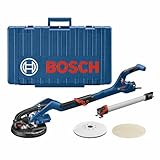
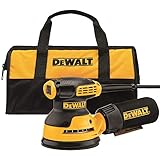
Spend attention on the sanding method. Hand sanding is cheap, controlled, and adequate for small patches. A pole sander makes ceilings and broad seams less tiring, but it can gouge soft compound if you lean on it or use coarse paper. Start around 120–150 grit for knocking down ridges; finish with finer paper, often 180–220 grit, before priming. Use light pressure and check the surface with a work light held at an angle. Sanding through the paper face of drywall means extra repair, not a smoother finish.
Dust is the main drawback of dry sanding. Wear a well-fitting dust mask, cover nearby furniture, and close doors. For a few small repairs, a damp sanding sponge can reduce dust, though it is slower and easier to overwork compound that has not fully dried.
When to buy and what to skip
Paint and painting tools often see promotions around spring home-improvement season and holiday sales. Compare the shelf price with the actual pack size: a large roller-cover bundle is not a bargain if the nap is wrong or the covers sit unused. Buy compound in a size you can finish while it is fresh; dried or contaminated compound is wasted money. Keep lids clean and sealed, and discard material with a sour smell or visible growth.
Skip powered sanding tools for one or two small patches. They add cost, create dust quickly, and can remove too much material before you notice. Likewise, a premium brush is not automatically worthwhile for a one-time coat on a utility-room wall. Put the extra money toward a good roller cover, careful surface preparation, and enough primer to seal repairs. Unprimed joint compound absorbs paint differently from surrounding wallboard and can show as dull patches after the finish coat.
A practical shopping list
For a basic room and minor repairs, start with one angled synthetic brush, a roller frame, two correctly sized covers, a tray or bucket grid, a 4-inch drywall knife, sanding sponge, painter’s tape, and a drop cloth. Expect roughly $50–$100 for serviceable tools and supplies, depending on quality and what you already own. For larger repairs, add wider knives, a pole sander, and a suitable drywall pole sander.
Before checkout, check that the brush and roller cover suit your paint, wall texture, and finish standard. A modest kit chosen for the actual surfaces will usually outperform a cheaper bundle full of mismatched parts—and cost less than buying replacements after a rough first coat.