Brushless vs Brushed Tools: Is the Price Premium Worth Paying?
What's inside
As an Amazon Associate I earn from qualifying purchases. This post may contain affiliate links at no extra cost to you.
What the Two Motor Types Mean
Brushed and brushless tools use the same basic battery-and-motor idea, but they transfer electrical power differently. A brushed motor uses carbon brushes that physically contact a spinning commutator. A brushless motor uses electronic controls instead, with no brushes rubbing against the motor.
That difference affects efficiency, heat, service life, and price. It does not automatically make every brushless tool a better buy. For occasional drilling, light assembly, or a few weekend repairs each year, a brushed tool can deliver the same useful work for considerably less money.
As an Amazon Associate we earn from qualifying purchases at no extra cost to you.


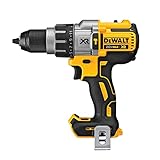
The price gap varies by brand and battery platform. A brushed drill kit may cost roughly $50 to $100, while a comparable brushless kit commonly lands between $100 and $250. Higher-end brushless impact drivers, saws, and grinders can cost substantially more, especially when the kit includes a large battery and charger.
Where Brushless Tools Earn Their Premium
The main advantage is efficiency. In real use, a brushless tool may deliver roughly 10% to 30% more work from the same battery, although the result depends on the tool, load, battery size, and electronics. That can mean more holes per charge or several additional cuts before stopping to recharge.
Brushless motors also produce less friction inside the motor. Less friction generally means less heat, particularly when drilling large holes, driving long structural screws, cutting lumber, or grinding metal. Heat is a major enemy of batteries and electronics, so a brushless tool that runs cooler may hold up better under repeated heavy work.
Many brushless tools include electronic controls that adjust motor output to the load. Some add selectable power modes, kickback control, electronic braking, or overload protection. These features are useful, but they are not exclusive proof of quality. A cheap brushless tool can still have a poor chuck, weak gearbox, or unreliable battery.
For professionals, remodelers, and anyone using cordless tools several hours a week, the premium is easier to justify. Reduced downtime and longer battery runtime matter more than the initial sticker price. If a tool is used hard enough to overheat or wear out a brushed motor, brushless is usually the safer long-term purchase. Shop brushless cordless tool combo kits when you need several tools on one battery platform.
When a Brushed Tool Is Good Enough
Brushed tools are not automatically weak or disposable. A basic brushed drill is perfectly suitable for assembling furniture, installing shelves, tightening hardware, and drilling occasional holes in wood or thin metal. A brushed circular saw can handle intermittent homeowner projects, especially if you are cutting a few sheets of plywood rather than framing every day.
The strongest case for brushed is low purchase cost. You may save $30 to $100 on the tool itself, and sometimes more on a kit. That matters if you need a tool for one project or if you do not already own batteries and a charger. Brushed tools are also simpler electrically, which can make some repairs less complicated, although many inexpensive cordless tools are not economical to repair either way.
The failure mode is the brushes. They gradually wear, and the tool may begin to lose power, run intermittently, spark heavily, or smell hot. Brushes can sometimes be replaced, but replacement parts and labor can approach the cost of a new budget tool. A brushed motor can also overheat if repeatedly stalled or pushed beyond its intended duty cycle.
Brushed vs. Brushless: Practical Comparison
| Factor | Brushed | Brushless |
|---|---|---|
| Upfront price | Usually lower; often best for occasional use | Usually 20% to 100% higher, depending on brand and kit |
| Battery runtime | Generally shorter under the same load | Generally longer, often by 10% to 30% |
| Heat under heavy use | More heat from brush friction | Usually cooler and better at sustained work |
| Service life | Brushes and commutator eventually wear | No brushes, but electronics can fail and be expensive to replace |
| Best fit | Home repairs, light DIY, backup tools | Frequent use, demanding jobs, professional work |
| Repair risk | Mechanical wear is predictable; repair may not pay | Fewer wear parts, but controller failure can be costly |
Compare the Whole Tool, Not Just the Motor
Motor type is only one part of value. A brushless drill with a sloppy chuck is a worse purchase than a well-built brushed drill. Check the warranty, chuck quality, gearbox feel, trigger control, balance, and availability of replacement batteries.
Battery cost can change the calculation. A bare tool may look inexpensive, but a 5.0Ah battery and charger can add $80 to $180 depending on the platform. If you are starting from scratch, compare complete kits rather than tool-only prices. If you already own compatible batteries, buying a bare brushless tool may make sense.
Battery size also affects handling. A 2.0Ah battery is lighter and often adequate for a drill or impact driver. A 5.0Ah or larger battery extends runtime for saws and grinders, but adds weight. On a drill used overhead, the lighter battery may be worth more than a modest efficiency gain.
For occasional drilling and driving, consider a brushed cordless drill kit. For framing, deck construction, frequent remodeling, or heavy cutting, a brushless drill-driver kit is usually the better value over several years.
How to Buy at the Right Time
Tool prices are often lowest around major sale periods, including spring home-improvement promotions, Father’s Day, Black Friday, and the weeks before Christmas. Battery-platform combo kits are especially common during these events. Watch the normal price for a few weeks first; a large advertised discount is not useful if the regular price was inflated.
Clearance can be worthwhile when a brand is changing battery platforms or packaging kits. Before buying, confirm that batteries, chargers, and replacement tools are still widely available. A cheap kit is poor value if the battery line is discontinued.
For most homeowners, the sensible answer is mixed: buy brushless for the tools that see demanding or frequent use, and buy brushed for light-duty tools that may sit in a closet for months. The premium is worth paying when runtime, heat control, and long-term workload matter. If your projects are measured in a few dozen holes and occasional repairs each year, keep the savings and choose a decent brushed tool.