Best Affordable Tools for Replacing a Section of Fence
What's inside
As an Amazon Associate I earn from qualifying purchases. This post may contain affiliate links at no extra cost to you.
Start with the damaged section, not the shopping list
Replacing one fence section usually means removing a panel or several boards, then matching the existing fence. Before buying tools, measure the opening, check whether the posts are sound, and identify the fence style: stockade, board-on-board, spaced picket, or something else. A rotted or loose post changes the job substantially; tools for replacing boards won’t solve a leaning post set in concrete.
For a typical 6-foot-wide wood section, you’ll want a tape measure, level, drill or impact driver, saw, and a way to pull old nails. Borrowing one or two tools can beat buying a cheap set you’ll use once. Check for buried utility lines before digging, and wear eye protection, hearing protection when sawing, and gloves for splintered lumber.
As an Amazon Associate we earn from qualifying purchases at no extra cost to you.


Best value: buy for the work you actually have
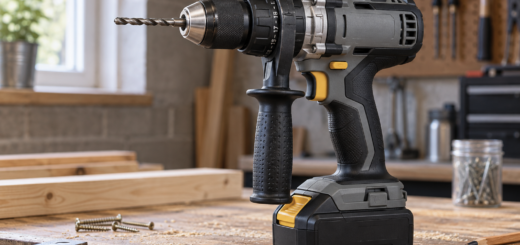
A cordless drill is enough for driving ordinary exterior screws into fence boards and rails. An impact driver is faster on long or thick screws, but it can strip heads or snap brittle fasteners if you lean on it. If you don’t already own a battery platform, compare the price of the tool with a battery and charger included; a bare tool can look inexpensive while the full setup costs much more.
For a one-section repair, a corded circular saw is often the best low-cost cutting option if you have a safe outdoor outlet and extension cord rated for the tool. A cordless saw is easier to position, but its battery adds cost and may run down during repeated cuts. A handsaw is cheaper and adequate for a few boards, though cutting several boards square by hand takes longer.
Look for a cordless drill-driver kit if you need a general-purpose tool for this repair and future household work. A basic kit with one battery can be good value for light use; buy a second battery only if you expect to use the tool continuously or already have a compatible tool system.
Tool choices for a one-section repair
| Tool | Typical budget range | Best use | Main trade-off |
|---|---|---|---|
| Corded circular saw | $40–$90 | Making straight cuts in boards and rails | Needs a suitable outlet and careful cord placement |
| Cordless circular saw | $70–$150 bare tool; more with battery | Cutting away from an outlet | Battery cost and runtime matter |
| Drill-driver kit | $60–$150 | Driving screws and drilling pilot holes | Budget kits may be slow in dense lumber |
| Cat’s paw or flat pry bar | $10–$30 | Removing nails and separating boards | Can split reusable boards if pried carelessly |
| Post-hole digger | $30–$70 | Digging a replacement post hole | Unnecessary if existing posts are sound |
Prices vary by retailer, battery system, and season, so treat these as planning ranges rather than quotes. A basic corded circular saw can be a better buy than a low-priced cordless saw if you’ll make only a handful of cuts near the house.
Remove boards without wrecking the rails
Use a nail puller or flat pry bar to lift old boards gradually. Put a scrap block between the bar and a rail to spread the force; levering directly against the rail can dent it or split the wood. If the boards are held by screws, use the correct driver bit and clear packed dirt or paint from the screw head first. A stripped screw may need locking pliers or a screw extractor, which is one reason not to use worn bits.
Old fence lumber can conceal nails, staples, or rot. Don’t run it through a saw until you have checked both faces and edges. If rails are soft at the ends, split, or no longer firmly attached to posts, replacing just the pickets may leave a weak section that fails in the next strong wind.
Spend carefully on fasteners and layout
Use exterior-rated screws or nails suited to the lumber and local conditions. For treated wood, choose fasteners labeled for use with treated lumber; ordinary interior drywall screws are brittle and corrode quickly outdoors. Screws cost more than nails, but they make spacing adjustments and future repairs easier. For a section with 12–15 boards, a small box is usually enough, but count the fasteners per board and buy a little extra.
A tape measure and 2- or 4-foot level are usually sufficient for aligning boards. A chalk line helps keep tops even across a long run, but for one short section a straight scrap board can work as a guide. Don’t force every old fence to be perfectly level if the ground slopes; consistent spacing and a clean transition to the existing section often look better.
If a post is bad, rent or borrow the heavy tools
A post that moves at ground level, has extensive rot, or is cracked where rails attach likely needs replacement. Digging a post hole by hand is possible, but rocky soil can turn a small repair into hours of work. A manual post-hole digger is inexpensive for one accessible hole; a powered auger can save effort but is harder to control and may catch on roots or stones. Renting an auger makes more sense when there are multiple holes, not automatically for a single post.
Before setting a new post, check local depth guidance and keep it aligned with the existing fence. Concrete can stabilize a post, but poor drainage and water trapped around wood can contribute to rot. Follow the concrete mix instructions and brace the post until it has set; a post that shifts while curing can leave rails twisted.
When to buy and where to save
Tool prices often dip around major holiday promotions and seasonal spring sales, when outdoor projects become popular. Compare the complete cost—tool, battery, charger, and any required blade—rather than the headline discount. Blades and bits are consumables, and a dull blade can burn wood or wander off a cut. For a short repair, a decent general-purpose wood blade is usually enough; specialty blades are hard to justify unless you have a specific material or repeated workload.
Save on tools you can borrow, rent, or use only once. Don’t economize on eye protection, sound fasteners, or a blade that is visibly damaged. If the posts and rails are solid, a drill, hand pry bar, tape, and either a borrowed saw or a few store-made cuts may be all you need. If the posts are failing, price that repair separately before buying a larger tool set—the lumber and post work are likely to matter more than the saw brand.