Best Value Cordless Kit for Homeowners Who Need Only Three Core Tools
What's inside
As an Amazon Associate I earn from qualifying purchases. This post may contain affiliate links at no extra cost to you.
The Three Tools That Cover Most Home Projects
For most homeowners, the best-value cordless kit is not the largest combo pack. It is a three-tool setup built around an 18V or 20V battery platform: a drill/driver, an impact driver, and a circular saw.
The drill, impact driver, and circular saw kit handles furniture assembly, shelving, deck repairs, basic framing, plywood, dimensional lumber, and most routine maintenance. A reciprocating saw is useful, but it is less precise and usually less important as a first purchase. An oscillating tool is convenient for trimming and flush cuts, but it does not replace a circular saw for cutting sheet goods.
As an Amazon Associate we earn from qualifying purchases at no extra cost to you.
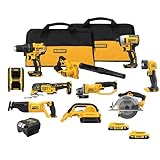

The drill makes controlled holes and drives screws without much noise. The impact driver is faster for long screws and structural fasteners, with less wrist strain. The circular saw makes straight cuts in 2x4s, plywood, shelving, and laminate flooring. Buying these three separately can cost more than a kit, but a kit is only a bargain if the batteries and charger are useful and the tools are not stripped-down versions.
What to Look For in a Value Kit
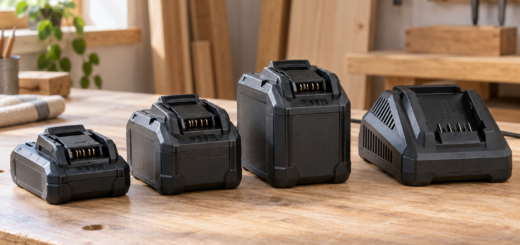
Start with the battery platform, not the tool count. A kit with two 2.0Ah batteries may be cheaper at checkout, but a circular saw drains a small pack quickly. For a useful starter setup, look for at least one 4.0Ah battery, or a package containing two batteries totaling roughly 6Ah or more.
Brushless motors are preferable, especially in the saw and impact driver. They generally run cooler, use battery power more efficiently, and tolerate repeated work better. Brushed tools are not automatically poor choices for occasional use. If you drill a dozen holes a year and cut a few boards, a brushed kit can be perfectly adequate and sometimes costs $50 to $100 less.
Check whether the circular saw includes a blade, whether the drill has a ratcheting chuck, and whether the impact driver has a standard 1/4-inch hex collet. Also check saw capacity. A typical 6-1/2-inch cordless circular saw should cut about 2-1/8 inches at 90 degrees, enough for a 2×4 and most homeowner work. A 5-3/8-inch saw may be lighter, but its cutting depth and blade availability can be more limiting.
| Platform type | Typical three-tool kit price | Best for | Main compromise |
|---|---|---|---|
| Budget 18V/20V platform | $150–$250 | Light repairs and occasional projects | More plastic, smaller batteries, fewer premium tools |
| Mainstream homeowner platform | $250–$400 | Regular DIY work and remodeling | Higher upfront cost |
| Professional-focused platform | $400–$650 or more | Frequent, demanding use | Poor value if used only a few times per year |
Which Brand Tier Offers the Best Value?
For most homeowners, the sweet spot is a broad mainstream platform rather than the cheapest available brand or a professional line. Ryobi’s 18V system is a common value choice because it offers a large range of compatible tools, frequent promotions, and batteries that remain useful as your collection grows. It is not the toughest option, but it is usually easier to expand than an obscure budget platform.
Hart and similar budget systems can make sense when the initial kit is heavily discounted. They are suitable for light-duty work, but compare the price of replacement batteries before buying. A proprietary battery that costs nearly as much as the original kit weakens the value quickly. Budget tools also tend to have less refined triggers, more flex in the saw base, and shorter warranties.
DeWalt, Milwaukee, and Makita offer stronger tool lines and better choices for people who expect to add equipment over several years. Their starter kits often cost more, and you may pay for performance you will never use. Choose this tier if you regularly build, remodel, or already own batteries in that ecosystem. Otherwise, the price premium is difficult to justify for hanging shelves and repairing a fence gate.
Compare current mainstream 18V brushless three-tool kits rather than focusing on the printed “20V” label. Nominal 18V and marketed 20V systems are broadly comparable; battery capacity, motor efficiency, and tool design matter more than that number.
When the Cheaper Kit Is the Right Buy
A budget kit is fine for occasional drilling, assembling flat-pack furniture, hanging cabinets, and cutting a small amount of lumber. If you use the tools fewer than 20 times per year, paying an extra $150 for a professional platform is unlikely to produce meaningful savings.
Choose the cheaper option with confidence if it includes two batteries, a two-year or longer warranty, and common replacement batteries sold separately. Avoid the lowest-priced kit if its battery uses a proprietary charger, its saw lacks a visible bevel scale, or reviews repeatedly mention batteries failing within a year.
There are also jobs where cordless convenience is not worth the cost. A corded circular saw is often more powerful and can cost $50 to $100 less than a bare cordless saw. If you cut plywood in one place near an outlet, a corded saw plus a cordless drill may be the better-value combination. Likewise, a drill/driver alone is enough if you rarely drive long screws; the impact driver is helpful, not mandatory.
Seasonal Buying Advice
Watch major sale periods around Memorial Day, July promotions, Labor Day, and Black Friday. Tool brands commonly discount kits during spring and early summer, when homeowners begin outdoor projects. Black Friday often produces the lowest advertised prices, but inventory can include older brushed kits or bundles with small batteries.
Compare the kit price against its bare-tool value. A $199 kit with two batteries and a charger is strong value when the tools alone would total $180, but less attractive if a similar battery bundle regularly sells for $149. Also check whether a “free tool” promotion requires buying an expensive two-battery starter pack.
For a homeowner starting from zero, target a three-tool brushless kit with one 4.0Ah battery, one smaller battery, a charger, and a case for about $250 to $350 during a sale. That setup costs more than the entry-level option but avoids the most common upgrade: replacing weak batteries after the first large project.
Avoid These Common Mistakes
Do not choose a six-tool kit simply because the number looks impressive. Flashlights, compact vacuums, and low-powered saws can inflate the count without adding much value. Do not buy two different battery platforms unless there is a clear reason; duplicate chargers and batteries erase savings.
Finally, budget for accessories. A homeowner will quickly need a quality drill-bit set, impact-rated driver bits, a carbide-tipped circular-saw blade, and at least one extra battery. These can add $50 to $100, but good accessories reduce stripped screws, crooked cuts, and premature tool wear.
The best value is a platform you can afford now and still find useful five years from now. For occasional work, a budget or mainstream kit is enough. For frequent renovation, pay for the better ecosystem rather than chasing the lowest kit price.