Best Affordable Tools for Removing Wallpaper in a Small Room
What's inside
As an Amazon Associate I earn from qualifying purchases. This post may contain affiliate links at no extra cost to you.
What you need for one small room
For a bedroom or small office, you usually do not need a powered steamer or a large contractor’s kit. A spray bottle, a wide scraper, a putty knife, and a drop cloth can handle a single layer of ordinary wallpaper. The right choice depends less on the room’s size than on the paper: strippable wallpaper may peel off dry, while older or painted-over paper can take repeated wetting and patient scraping.
Before buying, test a corner. Lift it with a putty knife. If the paper separates from the wall in broad sheets, spend your money on cleanup supplies rather than removal equipment. If it tears into small pieces or has a washable vinyl face, plan for more time and a way to get water through the surface.
As an Amazon Associate we earn from qualifying purchases at no extra cost to you.



Affordable tool options
Prices vary by retailer and season, but these ranges are useful for comparing the cost of a small-room setup. A basic kit is often enough for one job; a steamer makes more sense when you have several rooms or stubborn paper.
| Tool | Typical cost | Best use | Main trade-off |
|---|---|---|---|
| Spray bottle or pump sprayer | $5–$15 | Small areas and ordinary paper | Needs frequent refilling; uneven coverage can leave dry patches |
| Wallpaper scraper, 4–6 inches | $8–$20 | Lifting softened paper from a broad area | A sharp edge can gouge drywall or plaster |
| Flexible putty knife, 2–3 inches | $5–$12 | Corners, seams, and delicate spots | Slow across large walls |
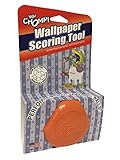
| Scoring tool | $8–$18 | Water-resistant or painted-over wallpaper | Too much pressure can mark the wall beneath |
| Electric wallpaper steamer | $40–$90 | Multiple rooms or paper that resists soaking | More expense, hot steam, and water to manage |
Best low-cost setup
For one small room, start with a pump sprayer, a 4-inch scraper, and a flexible putty knife. This combination typically costs about $20–$45, excluding a drop cloth and household cleaning supplies. A pump sprayer is less tiring than a trigger bottle when treating several walls, but a trigger bottle is fine for a single accent wall or a small patch.
Choose a scraper with a replaceable blade or a smooth, rounded working edge, and keep a putty knife handy for tight areas. Do not use a razor-sharp blade at a steep angle on drywall. The paper facing of drywall is easy to tear, and a deep scrape can leave repairs that take longer than the wallpaper removal. Work at a shallow angle and let the water loosen the adhesive rather than forcing the tool through dry paper.
Compare wallpaper scrapers and putty knives by handle comfort and blade width, not by the number of pieces in a kit. A bundle of small accessories is poor value if the main scraper flexes too much or has a rough edge.
When a scoring tool is worth buying
If water beads on the wallpaper face, the paper may have a vinyl or washable coating. A scoring tool makes small openings so water can reach the backing, but it is not a substitute for soaking. Roll it lightly over a test area, apply remover solution or warm water according to its label, and wait several minutes before scraping. Re-wet dry spots instead of bearing down harder.
Scoring is a poor choice on fragile plaster, damaged walls, or wallpaper applied directly over unprimed drywall. The tool’s wheels can cut the wall surface if you press too hard. For a room with one stubborn wall, renting or borrowing a tool may be better value than buying one you will store afterward. For broader selection, compare wallpaper scoring tools and favor a simple design with guarded wheels.
Steamer versus spray-and-scrape
A steamer can speed up removal on stubborn paper, but the purchase price is only part of the trade-off. It needs an outlet, water refills, and careful handling: steam can burn skin, and prolonged heat or moisture may loosen paint or damage weak plaster. Keep the steam plate moving, follow the manufacturer’s instructions, and test a small area first. Do not leave it against the wall while you work on another section.
For one small room, a steamer is usually difficult to justify if a sprayer-and-scraper setup costs less than half as much. It becomes more attractive for several rooms, layered paper, or a job where repeated soaking is taking too long. Check local rental rates before purchasing; a one-day rental can beat the cost of storing a steamer you may not use again. A wallpaper steamer is not a guarantee of clean walls, especially when old adhesive remains after the paper comes off.
Protect the room and avoid common failures
In a small room, water and scraps collect quickly. Move furniture out where possible, cover the floor with a plastic-backed drop cloth, and protect outlets from drips. Turn off power to affected circuits before working near electrical boxes, and never spray directly toward an outlet. Keep a bucket, sponge, and trash bag within reach so softened scraps do not stick to flooring.
The most common mistake is scraping too soon. If paper tears into dry flakes, apply more solution and wait; forcing it usually damages the wall. Another failure is soaking too large an area at once. Treat a manageable section—about 3 by 3 feet—so the backing stays wet while you work. After the paper is off, wash away paste residue before priming or painting. A thin adhesive film can cause paint to blister or leave a rough finish.
When to buy and where to save
Hand tools do not have a reliable seasonal discount cycle, so buy them when the job requires them and compare the price of a basic scraper with the cost of an all-in-one kit. Larger retailers often discount steamers around spring renovation periods and major holiday sales, but shipping and storage can erase a small price advantage. For a single room, borrow or rent specialized equipment before buying it.
Save on tools that do not touch the wall, such as a spray bottle or drop cloth, if you already have suitable household versions. Do not economize by using a brittle scraper, skipping floor protection, or pressing a scoring tool harder to compensate for dull wheels. The best-value setup is the one that removes the paper without turning a straightforward afternoon job into a wall-repair project.