Best Budget Cordless Drill for Hanging Curtain Rods in a Rental
What's inside
As an Amazon Associate I earn from qualifying purchases. This post may contain affiliate links at no extra cost to you.
For hanging curtain rods in a rental, a basic 12-volt cordless drill is usually enough. The job involves small pilot holes in drywall, wood trim, or wall studs—not driving long structural screws all day. Spending more can buy a better chuck, battery, or warranty, but it won’t make a misplaced hole easier to patch when you move out.
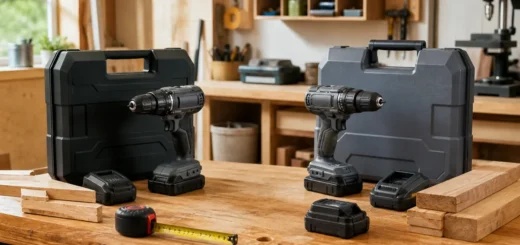
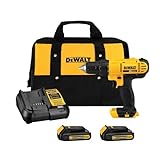
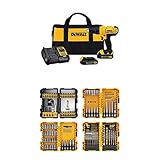
For most renters, look for a drill kit with a clutch, a variable-speed trigger, and at least one battery. A compact 12-volt cordless drill-driver kit is the sensible starting point. If you already own compatible batteries, buying a bare tool can be cheaper; otherwise, compare the full kit price, not just the drill’s advertised price.
As an Amazon Associate we earn from qualifying purchases at no extra cost to you.

What the job actually needs
A curtain-rod bracket often takes two screws. If you can fasten into a wood stud, a small pilot hole and the supplied screw are usually all you need. If the bracket must go into hollow drywall, use an anchor rated for the load and the wall type. A drill can make the hole, but it cannot make an unsuitable anchor hold heavy curtains.
Most rod kits include screws, but the included anchors vary in quality. For light curtains, a properly installed plastic expansion anchor may work. For heavier curtains or a long rod that will be pulled regularly, consider a correctly sized toggle-style anchor or find a stud. Check the anchor packaging for its rating, and remember that ratings depend on installation and wall condition.
A drill with a clutch is useful because it limits turning force when driving screws. Set it low to start; if the screw stops before the bracket is snug, increase the setting gradually. The drill’s highest speed is for drilling, not for forcing a screw home. Driving too fast can strip the screw head, spin an anchor in the drywall, or crack brittle trim.
Budget drill comparison
| Option | Typical price range | Best for | Main trade-off |
|---|---|---|---|
| 12-volt drill kit | $50–$100 | One or a few household projects | Less runtime and power than 18-volt tools |
| 18-volt or 20-volt drill kit | $80–$160 | Regular DIY use and tougher materials | Heavier, bulkier, often more than this job requires |
| Low-cost drill kit from a lesser-known brand | $30–$70 | Occasional light-duty work on a tight budget | Battery replacement and warranty support may be less convenient |
| Borrowed or rented drill | $0–$30 | A single installation | Availability, included bits, and battery charge can vary |
Prices are rough U.S. retail ranges, not promises; sales and kit contents change. A battery and charger can account for much of a kit’s value. If you expect to build a tool collection, compare the cost of the brand’s other bare tools and replacement batteries before choosing a platform. If this is the only project, that ecosystem matters much less.
Which one is worth buying?
For a renter hanging one or two rods, a 12-volt kit is generally the best value. It is lighter to hold overhead, fits into tighter corners, and has ample capacity for pilot holes and small screws. A 3/8-inch chuck is fine for common household bits. Don’t pay extra for impact-driver features: an impact driver is not a substitute for a drill when you need a clean hole, and its added force can damage anchors and screw heads.
Choose an 18-volt cordless drill kit if you already use that battery platform or expect to drill into tougher materials and take on more projects. It offers more reserve power, but the added weight is noticeable when working above shoulder height. For curtain rods alone, that extra capacity rarely justifies a much higher price.
A very cheap kit can be perfectly adequate for a few holes. Before buying, check whether it includes a charger, battery, and a usable warranty; some low prices refer to a bare tool. Read reviews for practical complaints such as a chuck that loosens, batteries that fail to charge, or poor trigger control. Those shortcomings matter more than a high maximum torque figure for this particular job.
Budget for bits and anchors, too
Most curtain-rod jobs need a drill bit suited to the screw or anchor instructions, plus a screwdriver bit that fits the screw head. For an anchor, follow its stated hole diameter rather than guessing. A small basic drill-bit set can cover future household tasks, but there is no need to buy a large professional set for two brackets. Check whether your kit includes bits; inexpensive kits sometimes include a few, but they may not be the right size.
Wall material changes the plan. For wood studs or trim, use a bit slightly smaller than the screw’s solid shank to reduce splitting. For drywall anchors, use the exact hole size specified by the anchor maker. Brick or concrete needs a masonry bit and often a hammer-drill function. A standard drill may manage small masonry holes slowly, but it can struggle; if the wall is masonry, borrowing a hammer drill can be better value than buying one for a single rod.
Avoid rental-wall damage
Check your lease and ask the landlord if the rules are unclear. Use a stud finder, then confirm the likely stud location with a small pilot hole where the bracket will cover it. Keep clear of outlets and switches: wiring can run vertically or horizontally from electrical boxes. If you cannot rule out a pipe or wire, stop and ask for help rather than drilling deeper.
Mark both bracket positions with a level before drilling. Start slowly, keep the drill straight, and stop if the bit suddenly drops into an unexpected void or hits something hard. Don’t overtighten: the bracket should be secure without crushing the drywall or pulling the anchor loose. Keep the original wall plugs or note what you used. At move-out, removing screws and filling small holes neatly is easier than repairing a torn-out anchor or an oversized opening.
When to buy
Tool kits often see discounts around major holiday sales and spring home-improvement promotions, but compare the final kit contents and return policy rather than chasing a claimed percentage off. If you need the drill now, a fair-priced 12-volt kit is enough. For one installation, borrowing is cheaper still. Buy a larger platform only when its extra capability will earn its keep on more than this one rental-wall job.