Stihl vs Husqvarna Trimmers: Which Premium Brand Is Worth the Extra Cost?
What's inside
As an Amazon Associate I earn from qualifying purchases. This post may contain affiliate links at no extra cost to you.
Stihl and Husqvarna both make capable trimmers, but a premium badge does not automatically justify a higher price. The better buy depends on how many hours you trim, what you cut, and whether the tool’s weight, balance, and service options suit you. For occasional edging around a small yard, either brand may cost more than the job calls for. For regular work in tall grass or on a larger property, the differences in comfort and support matter more.
The short answer
Choose by comparing specific trimmers in the same class, not by assuming one brand is universally better. Stihl is often a strong choice if you have a nearby dealer for setup and repairs. Husqvarna is worth considering when its equivalent model feels better balanced, has the features you want, or is priced more competitively where you shop. Try both if you can: handle comfort and vibration are personal, and you may notice them before any difference in cutting performance.
If you trim a small lawn for 20 to 30 minutes every week or two, a less expensive homeowner trimmer can be perfectly adequate. Consider a cordless string trimmer if your yard is modest and you already own compatible batteries. Gas makes more sense for long sessions, remote areas, or tough vegetation where runtime and refueling are more useful than low noise and easy starts.
Compare equivalent trimmers
Brand comparisons get misleading when one tool is a light homeowner model and the other is a heavier professional unit. Match engine size or battery platform, shaft style, included cutting head, harness, and intended duty. Then compare the complete purchase cost—not just the tool’s shelf price.
| What to compare | Why it affects value | What to check |
|---|---|---|
| Weight and balance | A front-heavy tool feels tiring even if its listed weight looks competitive. | Hold it in working position for a minute; check whether the head or engine pulls down. |
| Power and cutting head | Thick weeds and long grass put more load on the engine and line. | Confirm the tool supports the head you plan to use and the line diameter it requires. |
| Starting and maintenance | Hard starting can turn a cheap tool into a nuisance. | Ask about cold-start procedure, air-filter access, and routine service parts. |
| Dealer and warranty | Convenient repairs can matter more than a small upfront discount. | Check local service availability and the written warranty terms for your use. |
| Total cost | Harnesses, line, blades, batteries, or a charger may be extra. | Price the tool as equipped for the job, including consumables. |
Gas or battery changes the calculation
Gas trimmers are suited to longer sessions and demanding growth, but they bring fuel, noise, exhaust, and engine upkeep. Stale fuel, a dirty air filter, or a fouled spark plug can cause rough running or difficult starts. Follow the manual’s fuel instructions, use fresh fuel, and clean the filter on schedule. If your work involves only lawn edges and light weeds, those chores may not earn their keep.
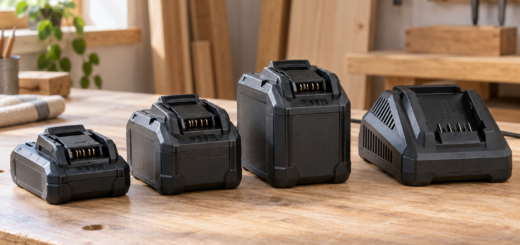
Battery models avoid fuel mixing and are quieter, but runtime depends on battery capacity, vegetation, and how hard you work the tool. A spare battery can keep a session moving, though it adds to the initial cost. Check whether a bare tool includes a battery and charger before comparing prices. A battery trimmer kit can be good value if its batteries also fit tools you already use.
When the premium is worth paying
Paying more is easier to justify if you trim for several hours a week, maintain multiple properties, or regularly cut dense growth. A better fit and lower perceived vibration can reduce fatigue over a long session. Dealer access also has practical value if you do not want to diagnose fuel or ignition problems yourself. Before buying, ask a local shop what it charges for routine service and how long common repairs typically take.
For a home user, the relevant question is not whether a premium trimmer lasts forever; it is whether the extra cost buys a benefit you will use. If the pricier tool saves a few minutes but sits unused most of the year, the value case is weak. If you rely on it weekly and the cheaper option is uncomfortable or frequently needs attention, the upfront saving may not last.
Match the tool to the job
Use trimmer line for grass and weeds, and use a blade only when the tool is rated for it and the manual permits that attachment. Wrapping long weeds around the head, using line that is too thick, or forcing the head through brush can stall the engine and wear parts faster. For heavy brush, use the correct cutting attachment, guards, and protective equipment—or choose a brush cutter designed for that work.
For a small, maintained yard, start with a lightweight gas string trimmer only if battery runtime is a genuine concern. Otherwise, a compatible battery tool or a budget gas model may be enough. For acreage or repeated heavy trimming, compare professional-grade options from both brands in person and budget for a harness, spare line, and service.
When to buy
Shop before peak spring demand if you want a particular configuration or time to compare dealer pricing. Late-season discounts can be attractive, but check that the warranty begins at purchase and that batteries or included accessories are not being omitted from the deal. A sale is not a bargain if the tool lacks the head, harness, or power source you need.
Before paying, verify the exact model’s intended use, weight, included equipment, warranty, and local repair options. Then handle it as you would on the job. If both feel equally comfortable and have the capacity you need, choose the lower total price—or the brand with the more convenient service support. For occasional yard work, that is often a better value than paying extra for performance you will rarely use.