Best Value Grout Removal Tool for Bathroom Renovations
What's inside
As an Amazon Associate I earn from qualifying purchases. This post may contain affiliate links at no extra cost to you.
The best value grout removal tool for a bathroom renovation depends on how much grout you need to remove and how close the work is to tile edges. For a few short joints, a manual grout saw is hard to beat. For a full shower or floor, an oscillating multi-tool with a grout-removal blade can save hours—but it costs more and is easier to slip with.
As an Amazon Associate we earn from qualifying purchases at no extra cost to you.
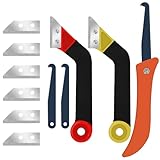

Choose by job size
Estimate the length of grout lines before buying. A tub surround may have roughly 30–60 feet of joints; a bathroom floor can add another 50–100 feet, depending on tile size and layout. If you’re repairing a few cracked sections, a $10–$20 hand tool may be all you need. If you’re clearing several hundred feet, powered removal is usually worth considering.
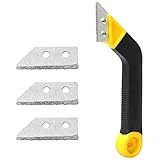
For small repairs and careful work around delicate tile, consider a manual grout saw with replaceable blades. For larger jobs, compare it with an oscillating multi-tool and grout-removal blade. The multi-tool is a platform purchase: if you already own a compatible tool, the blade may be the only expense.
Value comparison
| Tool type | Typical cost | Best for | Main trade-off |
|---|---|---|---|
| Manual grout saw | $10–$25 | Small repairs, slow and controlled removal | Fatiguing and time-consuming over long runs |
| Oscillating multi-tool blade | $15–$40 for a blade; more if buying the tool | Long joints and recurring renovation work | Can chip tile or cut too deeply if it wanders |
| Rotary tool with grout bit | $10–$30 for a bit; more if buying the tool | Short sections and detailed access | Dusty, less stable in long straight joints |
| Dedicated grout-removal tool | Often $50–$150 or more | Frequent, repeated grout work | Hard to justify for a single bathroom |
Prices vary by brand, included accessories, and sales. Treat these as rough shopping ranges, not guarantees. A low-cost tool can do fine on one job; the more useful comparison is the total cost of the tool, blades, dust control, and time.
When the cheap manual saw is enough
A manual grout saw is the sensible budget pick when you’re removing a few feet of grout, working on a small backsplash, or trying to avoid putting a powered blade near fragile tile. It gives you direct control and doesn’t generate as much airborne dust as a rotary tool. Some saws accept replacement blades, which is better value than replacing the whole handle when the abrasive edge wears down.
The cost is effort. A saw can take several passes to remove old grout to a useful depth, and pressing harder can make it skate across the tile or scrape a glazed edge. Work in short sections, keep the tool centered in the joint, and stop if the blade binds. For a full shower, hand removal may turn a low purchase price into a long, tiring job.
When powered removal pays off
An oscillating multi-tool is often the best value for a larger bathroom if you already own one. A suitable carbide or diamond grout blade cuts faster than hand scraping and is easier to guide in straight joints than a freehand rotary tool. Check the blade’s width against the grout line: a blade wider than the joint is more likely to touch tile, while one that is too narrow can leave grout along both edges.
Powered tools are not foolproof. A blade can chip tile at corners, cut into the tile edge, or gouge the backer if you plunge too far. Use light pressure, make shallow passes, and test in an inconspicuous area. Protect your eyes and lungs; grout dust is fine, and a shop vacuum with a close-fitting nozzle helps. A dedicated grout tool can make sense for a contractor or someone planning repeated projects, but buying one for a single bathroom is difficult to justify when a multi-tool blade can do the job.
Brand value and replacement costs
With manual saws, prioritize a comfortable grip and available replacement blades over the logo. With powered tools, compatibility matters: check the blade mount and whether an adapter is required. An inexpensive blade that does not fit your tool is no bargain, and a low-priced abrasive blade that wears out quickly can cost more per foot than a better one.
Before checkout, compare what comes in the package. A bare tool may look cheaper than a kit but leave you buying a battery, charger, case, or blade separately. If you already have a battery platform, staying with it can be the better value even if another brand’s tool has a lower sticker price.
When to buy
Watch for discounts around major holiday sales and seasonal home-improvement promotions, but compare the final price of the exact tool or blade rather than relying on a “sale” label. Bundles can be worthwhile if you will use the extra blades; otherwise, a lower-priced single blade is often the practical choice. For a one-time job, borrow or rent a multi-tool if the rental cost is lower than buying a tool you are unlikely to use again.
Make the purchase fit the work
For a few damaged joints, buy a manual saw and take your time. For a whole shower or floor, use a compatible oscillating multi-tool blade if you own the tool, or compare rental against the cost of buying. Avoid choosing solely by the lowest price: the right blade width, a secure grip, and controlled depth matter more than saving a few dollars if the alternative is chipped tile or a repair that takes twice as long.