Best Affordable Tool Backpack for Apartment Maintenance
What's inside
As an Amazon Associate I earn from qualifying purchases. This post may contain affiliate links at no extra cost to you.
Apartment maintenance calls for a bag that can move through a hallway, fit in a closet and carry the basics without turning into a bulky, expensive rig. For most renters and maintenance workers handling routine repairs, a budget backpack in the $35–$80 range is enough. The important details are not the number of pockets, but whether the bag stands up, carries the tools you actually use and survives being set down on concrete.
As an Amazon Associate we earn from qualifying purchases at no extra cost to you.


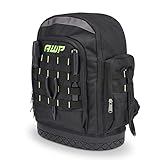
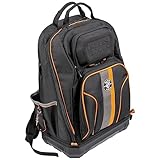
What matters in an apartment tool backpack
Start with your usual load. A small kit for tightening hinges, replacing outlet covers and clearing a sink might weigh 15–25 pounds. Add a drill, batteries, a meter and plumbing tools, and it can reach 30–40 pounds quickly. A backpack with a padded back panel and wide shoulder straps is more comfortable than a tote for stairs, but it is not a substitute for sensible packing. Keep the heaviest tools close to your back and avoid carrying a full load in one hand by the top handle.
Check the bottom and the zippers before buying. A reinforced or molded base helps when the bag sits on damp floors, but it adds weight and can take up more closet space. A cheap fabric bottom can work fine if you keep the bag off wet surfaces; it is a poor choice if you regularly set it down in a basement or outside. Zippers are another common failure point. Big teeth and sturdy pulls are easier to use with gloves, while elaborate pocket layouts often add cost without making the bag more useful.
For apartment work, a compact backpack around 15–25 liters is usually easier to store and maneuver than a large contractor bag. If you carry a drill and several bulky hand tools, look closer to 25–35 liters. Before ordering, compare the listed dimensions with your closet shelf or storage cabinet. A bag that is only a few inches too wide may become an annoyance every day.
Budget options compared
Prices change with sales, so treat these as typical shopping ranges rather than fixed quotes. Compare construction and capacity, not just the pocket count. A well-priced general-purpose bag can be a better buy than a heavily featured model if you do not need its extra organization.
| Bag type | Typical price | Best fit | Main trade-off |
|---|---|---|---|
| Basic fabric tool backpack | $25–$45 | Light kits and occasional repairs | Less padding; bottom and zippers may wear sooner |
| Midrange backpack with reinforced base | $45–$80 | Frequent maintenance and stair trips | Heavier and often bulkier to store |
| Open-top tool tote | $20–$50 | Short trips from a van or supply room | Less comfortable to carry hands-free |
| Premium backpack | $90 and up | Daily professional use and larger kits | Hard to justify for a small apartment toolkit |
A basic budget tool backpack is a reasonable choice if you carry under about 20 pounds and use it occasionally. Expect thinner padding and fewer durable contact points. If a seam opens after years of light use, replacing the bag may cost less than paying a premium upfront. For daily work, however, repeated loads and stairs make strap stitching, back padding and a stable base worth paying extra for.
Where spending more pays off
The best value for frequent apartment maintenance is usually a midrange bag with a reinforced base, decent shoulder straps and a simple layout. Look for a separate space for a drill or meter, several open pockets for screwdrivers and pliers, and at least one zippered pocket for small parts. You do not need a slot for every tool. Overfilled pockets catch on door frames, and loose screws can migrate between compartments.
A tool backpack with a reinforced base costs more than a basic fabric bag, but can be worthwhile if you often work in laundry rooms, basements or unfinished utility spaces. It is not waterproof, though. Water can still enter through the zipper or seams, so use a separate pouch for a meter, batteries or other electronics when working around leaks.
For a very small kit, a compact tool backpack may beat a larger model on value. Less empty space discourages overpacking and makes it easier to fit under a shelf. The trade-off is limited room for a drill, larger pipe wrench or bulky safety gear. Measure your largest tool before choosing a compact bag rather than assuming the listed capacity tells the whole story.
Pack for the jobs you actually do
A practical apartment kit might include a tape measure, adjustable wrench, slip-joint pliers, two screwdrivers, a small level, utility knife, flashlight, voltage tester and a selection of fasteners. Add a drill only if your work regularly involves mounting or replacing hardware. Keep sharp tools covered, and put small parts in a lidded organizer rather than loose in the backpack. That reduces both spills and time spent searching at the bottom.
Do not let a backpack make you carry equipment you should not use. Electrical repairs can require shutting off power and verifying the circuit is dead; a voltage tester is not permission to work beyond your training. Likewise, keep drain chemicals separate from tools and follow product labels. For leaks, first locate the shutoff and protect nearby belongings. A bag is useful because it keeps a basic response kit together, not because it replaces safe procedures.
When to buy and what to skip
Tool bags often see discounts around major sale periods and before the holiday season. If you can wait, compare the current price with the bag’s usual listing price rather than trusting a crossed-out number. A $60 bag discounted to $45 is a good buy only if the straps, stitching and dimensions suit your kit. Check return terms, since photos rarely show how stiff the back panel feels or whether a loaded bag tips over.
Skip premium features you will not use: a large hard shell, dozens of narrow pockets, or a bag sized for a full power-tool inventory. For occasional fixes, a $30–$45 backpack can be entirely adequate if it has comfortable straps and you keep its load light. Pay more when you carry it most days, climb several flights of stairs, or set it down on rough and damp floors. That is where a better base and stronger stitching can reduce replacement costs rather than simply adding features.