Best Budget Electric Staple Gun for Upholstery and Light Repairs
What's inside
As an Amazon Associate I earn from qualifying purchases. This post may contain affiliate links at no extra cost to you.
For upholstery and light repairs, a budget electric staple gun is usually easier to control than a hammer tacker and less tiring than a manual stapler. The right model can attach fabric to chair seats, secure dust covers, repair loose upholstery and handle small craft projects. It is not a substitute for a pneumatic stapler, however. Thick hardwood, dense foam and long runs of heavy fabric expose the limits of inexpensive tools quickly.
As an Amazon Associate we earn from qualifying purchases at no extra cost to you.
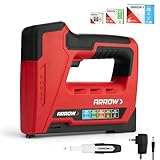

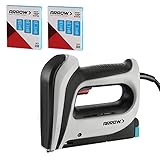

What to look for in a budget electric staple gun
Start with the staple range, not the advertised power. Most useful upholstery projects use 1/4-inch to 3/8-inch staples. Thin fabric over plywood often needs 1/4-inch staples; heavier canvas, carpet backing or multiple fabric layers may need 3/8-inch staples. A tool that accepts only 1/4-inch staples is cheaper and can be fine for occasional chair repairs, but it gives you less flexibility.
Look for a tool with a narrow nose, a comfortable trigger, a visible staple channel and a usable safety mechanism. A narrow nose makes it easier to work close to corners and around chair legs. A bottom-loading magazine is not a problem, but it should open without excessive force and clearly show when staples are installed correctly.
Driving consistency matters more than maximum firing speed. A budget gun that sinks eight out of ten staples is frustrating and can damage fabric. If the manufacturer lists a firing rate, around 20 to 30 staples per minute is adequate for home upholstery. Adjustable impact or power settings are helpful when moving between thin fabric and harder plywood, but they are not essential for occasional repairs.
Corded versus cordless models
| Type | Typical budget | Best use | Main drawback |
|---|---|---|---|
| Corded electric | $25–$45 | Workshop upholstery and repeated repairs | Needs an outlet and can be awkward around a large chair |
| Small cordless | $35–$70 | Quick repairs, trim work and jobs away from an outlet | Usually less force and limited battery runtime |
| Battery-platform cordless | $70–$150 before battery | Frequent users already invested in that battery system | Poor value if you must buy the battery and charger |
A corded electric staple gun for upholstery is normally the best value. It delivers consistent power without a battery going flat halfway through a seat. The cord is a nuisance when you are turning a chair, but an extension cord solves that at low cost.
Choose a small cordless unit when portability matters more than speed. These tools are convenient for a loose fabric panel, a few staples in a screen frame or a repair in a finished room. Check whether the listed price includes a battery. A tool advertised at $49 may cost more than a $35 corded model once a proprietary charger is added.
The best budget choices by job
Best overall value: a corded stapler accepting 1/4-inch to 3/8-inch staples. This is the sensible choice for re-covering dining chairs, attaching fabric to plywood panels and making several repairs in one session. Expect to pay roughly $30 to $45. It should handle light and medium upholstery if you press the nose firmly and keep the material flat.
Best for occasional repairs: a compact electric stapler. A lighter tool in the $25 to $35 range is enough for a handful of staples, craft work and thin fabric. The cheaper option is fine when the substrate is softwood or plywood and the job will not involve hundreds of staples. Do not expect it to drive every staple flush into hard oak.
Best for frequent users: a battery-platform model. If you already own compatible batteries from a major tool brand, a cordless electric staple gun sold as a tool only can be a good upgrade. The higher initial price buys convenience and avoids another charger. Starting a new battery platform solely for upholstery usually makes little financial sense.
Staples, fabric and substrate
Use the staple type specified by the tool. Many inexpensive guns take narrow crown staples, while others use proprietary or less common fasteners. Before buying, confirm the crown width, leg length and acceptable staple brands. A staple that fits the magazine may still jam if its wire gauge or crown shape is wrong.
For normal chair upholstery, 1/4-inch staples are a safe starting point. Move to 3/8 inch when the fabric is thick or folded, but avoid long staples if they can pass through a thin seat board. A staple protruding through the underside is a safety and finish problem, not extra holding power.
Pull the fabric tight in stages: one staple at the center of each side, then work toward the corners. Place staples about 1/2 to 1 inch apart for upholstery, depending on fabric tension. If every staple bends, sits proud or leaves a torn hole, the problem may be excessive tension, a hard substrate or unsuitable staples rather than a defective gun.
Common failures and how to avoid them
Staples that do not sink fully are the most common complaint. Press the tool squarely against the work, use a shorter staple and try a higher power setting if available. A soft scrap of wood under the work can also help support thin panels. Never hold the material with a finger near the nose; electric staplers can fire with less warning than expected.
Frequent jams often come from mixed staple sizes, bent staples or a magazine loaded backward. Unplug a corded tool or remove the battery before clearing one. If the driver repeatedly leaves a metal sliver or fires two staples at once, return the tool rather than trying to repair a low-cost mechanism.
When to buy and when to spend more
Prices often dip around spring home-improvement promotions, summer holiday sales and Black Friday. Corded models are less seasonal and frequently sit near their normal low price, so a discount of $5 to $10 is meaningful. Cordless kits see larger discounts, but compare the complete kit price with the cost of a bare tool and battery.
Spend more for a heavy-duty electric upholstery stapler when you expect to re-cover multiple pieces of furniture, use dense canvas or work with hardwood frames. For one chair, a corded budget model, a box of correct staples and careful fabric tension are usually a better investment than a premium cordless kit.