Best Value Portable Pressure Washer for Cleaning a Small Patio
What's inside
As an Amazon Associate I earn from qualifying purchases. This post may contain affiliate links at no extra cost to you.
Best value for a small patio
For a small patio, the best value is usually a compact electric pressure washer rated around 1,700–2,000 PSI and 1.2–1.5 gallons per minute, with a usable detergent tank or pickup tube and a 20-foot hose or longer. That is enough for ordinary dirt, algae film, and muddy footprints on concrete or pavers without paying for a heavy gas machine you may use only a few times a year.
Look for a complete kit with a trigger gun, a 15-degree nozzle, a 25-degree nozzle, and a soap option. A rotary surface cleaner is useful if you have several hundred square feet to wash, but it is not essential for a compact patio. For a space under roughly 200 square feet, a wand and a careful, overlapping cleaning pattern can be perfectly adequate.
As an Amazon Associate we earn from qualifying purchases at no extra cost to you.
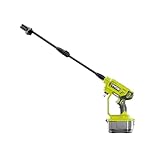


Compare compact electric pressure washers by checking what is included, not just the advertised PSI. A low-priced unit that needs a separate hose, compatible connector, or surface cleaner may cost more by the time it is ready to use.
What to buy for the money
Pressure washer specifications can be misleading. PSI describes pressure; GPM describes water flow. Cleaning depends on both, and advertised maximum pressure is not necessarily the pressure delivered during normal use. For patio work, a dependable electric washer with moderate pressure and steady flow is often a better buy than a small unit claiming an unusually high PSI number.
| Type | Typical fit | Value and trade-off |
|---|---|---|
| Compact electric, roughly 1,500–2,000 PSI | Small concrete or paver patio; occasional cleaning | Lowest operating fuss and usually the best value. Less flow means slower work on stubborn buildup. |
| Mid-range electric, roughly 2,000–2,500 PSI | Larger patio or frequent outdoor cleaning | More capable, but costs more and can damage soft surfaces if used carelessly. |
| Battery-powered washer | Small, light-duty jobs where an outlet is inconvenient | Portable and quiet, but limited runtime and often lower flow. Not the economical choice for a dirty patio. |
| Gas pressure washer | Large areas or repeated heavy-duty work | More power and mobility, but heavier, louder, and more maintenance than a small patio usually justifies. |
For most homeowners, a corded electric model is the sensible middle ground. It avoids fuel, oil changes, and winter storage issues. Check that your outdoor outlet is protected by a GFCI, and use an outdoor-rated extension cord only if the manufacturer permits one. A cord that is too long or too light can cause voltage drop and poor performance.
Brand value and the real cost
Price varies by season and retailer, so compare the whole package rather than treating one sale price as a reliable benchmark. In the entry-level electric category, a lower-priced washer can be a good choice when the patio is small, the cleaning is occasional, and the warranty and replacement parts are easy to find. Paying more can make sense for a longer hose, sturdier fittings, a better-designed hose reel, or accessories you would otherwise buy separately.
Before buying, check the warranty length, service contact information, and availability of the spray gun, hose, and connectors. These are common failure points. A cracked plastic connector or a leaking hose can make an inexpensive washer frustrating to use, even if the motor still runs. Be wary of kits loaded with several small accessories if they have short hoses or proprietary connections that limit replacements.
Check compatible surface-cleaner attachments if your patio is large enough to make wand work tedious. Confirm the attachment’s inlet fitting and minimum washer flow before ordering; a cleaner that is too large for the machine can spin poorly and leave uneven stripes.
How to clean without damaging the patio
Start with the widest fan nozzle supplied, often 25 degrees, and test it on an inconspicuous spot. Hold the tip about 12–18 inches from the surface and keep it moving. Work in overlapping passes, following the direction of the pavers or concrete joints. If grime remains, move closer in small steps rather than immediately switching to a narrow, aggressive nozzle.
A 15-degree nozzle can help with stubborn marks, but it concentrates force and can etch concrete, chip old mortar, strip loose paint, or blast jointing sand from pavers. Avoid a zero-degree tip on patio surfaces. On soft stone, old concrete, or fragile joints, use less pressure and rely on a suitable patio detergent, dwell time, and brushing instead.
Clear furniture and loose debris first. Wet nearby plants, apply detergent only if the washer and cleaner label allow it, and rinse from the house outward so dirty water does not run back over cleaned areas. Do not aim the spray at door seals, electrical fittings, or the underside of siding. If pavers are already loose, pressure washing can widen the problem; stabilize them before cleaning.
When the cheaper option is fine
A basic compact electric washer is enough when the patio is small, the dirt is mostly surface dust or light algae, and you do not mind taking a little longer. You do not need a high-pressure gas machine to clean a modest concrete slab. A stiff outdoor brush, hose, and patio cleaner may be cheaper still if the surface only needs a seasonal refresh.
Spend more only for a clear reason: a larger area, frequent use on other surfaces, a longer hose that prevents moving the washer every few minutes, or a compatible surface cleaner that saves time. If you expect to clean a patio once or twice a year, the best value is usually the simplest electric model that has adequate flow, standard fittings, and a warranty you can use.
Compare patio detergents for concrete and pavers before relying on extra pressure to remove algae or organic staining. A cleaner formulated for the surface can reduce scrubbing, but follow its dilution and runoff directions.
When to shop
Pressure washers are most visible in spring, when demand is high and popular kits can sell out. If your cleaning can wait, compare prices in late summer or during fall clearance, when retailers may discount seasonal outdoor equipment. Check current stock and accessory bundles: a modest discount on a bare tool is not a bargain if a complete kit costs only slightly more.
Use the same checklist whether buying on sale or at full price: suitable electric power, a practical hose length, standard replacement connections, a usable detergent setup, and a warranty with clear support. For a small patio, those details are more valuable than a dramatic maximum-PSI claim.