Best Steel-Cutting Circular Saws for Metal Fabrication
What's inside
As an Amazon Associate I earn from qualifying purchases. This post may contain affiliate links at no extra cost to you.
The best steel-cutting circular saw for most fabrication shops is a 14-inch cold-cut saw like the Evolution S355CPS, while a 7-1/4-inch cordless model such as the Milwaukee M18 FUEL 2982 suits jobsite and light-gauge work — the right choice depends on how thick your steel is and how much cleanup you can tolerate.
As an Amazon Associate we earn from qualifying purchases at no extra cost to you.

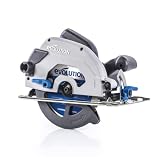


Cold-Cutting vs. Abrasive: The Core Decision
Every steel cutting circular saw falls into one of two camps. Abrasive saws spin a fiber cutoff wheel at 3,500+ RPM and grind through steel, throwing a fan of orange sparks and leaving a hot, burred edge. Cold-cut saws spin a carbide-toothed blade at roughly half that speed — around 1,300–1,500 RPM — and shear the metal into small chips. The cut edge stays cool enough to touch within seconds, needs almost no deburring, and produces no spark spray.
That RPM difference drives everything else: cold-cut blades cost more upfront but last 1,000+ cuts in mild steel, while abrasive wheels wear down visibly as you cut and typically need replacing every few dozen cuts. If you’re cutting steel with a circular saw more than occasionally, the consumable math alone favors cold-cutting.
Head-to-Head Spec Comparison
| Model | Type | Blade Diameter | Steel Capacity | Motor | Weight | Typical Price Range |
|---|---|---|---|---|---|---|
| Evolution S355CPS | Cold-cut, corded | 14 in | 5 in plate; 1/4 in wall tubing | 15A brushed, 1,450 RPM | ~47 lbs | $300–400 |
| Evolution EVOSAW185 | Cold-cut, corded | 7-1/4 in | 1/4 in plate | 15A, 3,700 RPM | ~15 lbs | $130–170 |
| Milwaukee 6370-21 | Cold-cut, corded | 8 in | 13/16 in depth of cut | 13A, 3,700 RPM | ~13 lbs | $300–360 |
| Milwaukee M18 FUEL 2982-20 | Cold-cut, cordless | 8 in | 2-9/16 in cutting depth | Brushless, 4,000 RPM | ~12.5 lbs | $250–330 (bare tool) |
| MK Morse Metal Devil CSM9B | Cold-cut, corded | 9 in | 3-1/4 in depth of cut | 15A, 2,700 RPM | ~18 lbs | $350–450 |
| Generic 14-in abrasive chop saw | Abrasive, corded | 14 in | 4-5 in stock | 15A, 3,800 RPM | ~40 lbs | $120–200 |
Matching the Saw to Your Situation
Fabrication shop, daily use
A 14-inch cold-cut saw is the shop standard for a reason. The S355CPS handles angle iron, channel, and plate up to about 1/2 inch in a single pass, and the chip-collection tray catches most debris. Blades run $80–120 but a blade like Evolution’s mild-steel TCT blade or a Diablo Steel Demon 14-inch delivers thousands of cuts if you stay within rated thickness. Push it through 3/4-inch plate it wasn’t rated for and you’ll strip carbide teeth in one afternoon.
Mobile work and jobsites
A cordless steel cutting skill saw like the Milwaukee M18 FUEL 8-inch is the practical pick. On a High Output 12.0Ah battery expect roughly 120–140 cuts in 1/4-inch flat bar per charge — enough for a day’s framing or deck work. The tradeoff is depth of cut and blade cost per inch of steel removed.
Hobbyist garage, occasional cuts
The EVOSAW185 gives you cold-cut performance for the price of a decent abrasive saw, and it doubles as a wood saw with a blade swap (never run a wood blade for steel after — dedicate blades to material). For under roughly $170 it’s the lowest-risk entry point to cutting steel with a circular saw.
Tightest budget, rare use
An abrasive chop saw still makes sense if you cut steel a few times a year and don’t mind the sparks, the hot edge, and a wire-wheel cleanup pass on every piece. Budget $15–25 per wheel and accept that accuracy degrades as the wheel diameter shrinks.
Blade Diameter and Thickness Capacity: What the Numbers Actually Mean
Blade size sets your maximum depth of cut, not your realistic working capacity. A 7-1/4-inch cold-cut blade maxes out around 2-1/2 inches deep, but the practical limit in solid mild steel is about 1/4 inch thick per pass — the motor stalls and the teeth overheat beyond that. A 14-inch saw rated for 5-inch box section is really optimized for thin-wall tubing and stock up to about 1/2 inch solid.
Match blade tooth count to material thickness too: thin-wall tubing wants a high tooth count (80–90T on a 14-inch blade) so multiple teeth stay engaged, while solid bar cuts better with 60–66T and more chip clearance.
Sparks, Heat, and Cleanup: The Hidden Costs
Abrasive cutting produces a continuous spark stream that pits nearby glass, ignites sawdust, and leaves oxide discoloration you’ll grind off later. Cold-cut saws produce chips, not sparks — heavier particles that drop straight down into a chip tray. Cleanup becomes a 30-second tray dump instead of a 10-minute floor sweep, and the cut edge goes straight to welding without deburring in most cases.
Heat matters for metallurgy too: abrasive cuts can work-harden edges on stainless and leave a heat-affected zone that complicates welding. Cold-cut edges stay near ambient temperature.
Ownership Realities: What Wears First
- Brushed motors (most corded cold-cut saws) need carbon brushes every 150–300 hours; brushless motors (Milwaukee FUEL line) eliminate this.
- Carbide blades lose teeth to binding, not normal wear. The common mistake: twisting the saw mid-cut or forcing feed rate. Let the blade set the pace.
- Vises and fences on chop-style saws loosen and drift out of square — check with a machinist square monthly in heavy use.
- Chip trays fill fast. A packed tray deflects chips into the blade guard and accelerates wear.
- Coolant/lubricant isn’t required on carbide cold-cut blades, but a stick wax like Blade Lube extends blade life noticeably on thicker stock.
Quick Decision Matrix
| Your situation | Recommended choice |
|---|---|
| Daily shop fabrication, mixed stock | 14-in cold-cut (Evolution S355CPS) |
| Jobsite/field work, no power access | Cordless 8-in (Milwaukee 2982) |
| Weekend projects, mixed materials | 7-1/4-in cold-cut (EVOSAW185) |
| Precision cuts, heavier stock | 9-in cold-cut (MK Morse CSM9B) |
| A few cuts a year, tightest budget | 14-in abrasive chop saw |
FAQ
Can I use a regular wood circular saw for steel?
Not safely. A standard wood saw runs 5,000+ RPM, far above the speed carbide metal blades are rated for, and lacks the torque curve and chip management of a metal-specific saw. Dedicated circular saws for cutting steel exist precisely because of this.
Will a cold-cut saw handle stainless or aluminum?
Yes, with the correct blade — manufacturers sell stainless-rated and aluminum-rated TCT blades. Never run a mild-steel blade on stainless; the work-hardening will destroy the teeth quickly.
How many cuts does a cold-cut blade really last?
In 1/4-inch mild steel, expect 1,000–3,000 cuts depending on feed discipline. In thick plate or stainless, plan on a fraction of that — blade life is the biggest variable cost in steel cutting saw ownership.