Best Metal-Cutting Circular Saws for Clean, Fast Cuts
What's inside
As an Amazon Associate I earn from qualifying purchases. This post may contain affiliate links at no extra cost to you.
The best metal cutting circular saw for most buyers is a dedicated saw with a carbide-tipped blade, enclosed chip collection, and a cutting capacity matched to your material: choose the DEWALT DCS373 or Milwaukee M18 FUEL 2782-20 for portable sheet and light structural work, and the corded Makita 4131 or Evolution S185CCSL when long runtime and lower operating cost matter more than mobility.
As an Amazon Associate we earn from qualifying purchases at no extra cost to you.

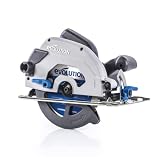
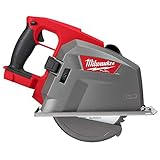

Quick comparison of the leading dedicated metal saws
These tools are designed for metal-cutting circular saw work rather than being ordinary wood saws fitted with an abrasive wheel. Their lower blade speeds, metal-rated guards, and carbide blades reduce heat and produce reusable, relatively cool offcuts.
| Model | Power source | Blade size | Maximum cutting depth | Best material range | Approximate tool weight |
|---|---|---|---|---|---|
| DEWALT DCS373 | 20V MAX battery | 5-1/2 in. | 1-9/16 in. at 90° | Sheet steel, conduit, angle iron, light tubing | About 7 lb with battery |
| Milwaukee M18 FUEL 2782-20 | M18 battery | 5-3/8 in. | About 2 in. at 90° | Steel sheet, threaded rod, strut, tubing | About 6 lb bare |
| Makita 4131 | 13A corded | 7-1/4 in. | 2-1/2 in. at 90° | Steel plate, roofing panels, pipe, structural sections | About 11.3 lb |
| Evolution S185CCSL | 15A corded | 7-1/4 in. | About 2-1/2 in. at 90° | Mild steel, stainless steel, aluminum, sandwich panels | About 16 lb |
Capacities vary slightly by blade and revision, so confirm the manufacturer’s current specification before ordering. A 5-1/2-inch cordless saw is easier to control overhead, while a 7-1/4-inch corded model reaches deeper sections in one pass.
Our picks by the job
Best cordless choice for general steel work: DEWALT DCS373
The DCS373 is a practical choice for installers who cut conduit, metal studs, threaded rod, decking, and small angle sections away from an outlet. Its 5-1/2-inch blade keeps the tool compact, and the viewing window helps follow a marked cut. It is especially appealing if you already own DEWALT 20V MAX batteries.
Its limitation is depth. The roughly 1-9/16-inch capacity is sufficient for common sheet and tubing, but not ideal for repeated cuts through thick channel or heavy plate. Battery cost also becomes significant for production work: keep at least two high-capacity packs available so charging does not interrupt the job.
Best cordless choice for frequent jobsite cutting: Milwaukee M18 FUEL 2782-20
The Milwaukee M18 FUEL 2782-20 is a strong pick for contractors already invested in the M18 system. Its brushless motor, electronic protection, and metal-specific design suit repeated cuts in sheet steel, strut, conduit, and tubing. The compact blade is less intimidating than a full-size saw and produces manageable chips when paired with the correct blade.
Choose it over the DEWALT when your existing battery system, deeper compact-saw capacity, or Milwaukee’s accessory ecosystem is the deciding factor. Neither cordless saw is the economical answer for hundreds of long cuts each day; battery charging, blade wear, and heat buildup become the ownership costs.
Best corded option for depth and unlimited runtime: Makita 4131
The Makita 4131 is the better fit for a fabrication area, renovation site, or shop where an extension cord is acceptable. Its 7-1/4-inch metal-cutting circular saw blade reaches approximately 2-1/2 inches at 90 degrees, giving it a meaningful advantage on pipe, channel, and thicker sections. Continuous corded power also avoids the gradual slowdown that occurs when a battery pack is cold, nearly empty, or overloaded.
The tradeoff is weight and cable management. It is less convenient on ladders and rooftops, and the operator must keep the cord clear of the cutting path. For occasional use, the lower price of a corded tool may outweigh the convenience of cordless power.
Best for mixed metals: Evolution S185CCSL
The Evolution S185CCSL is worth considering when one saw must handle mild steel, stainless steel, and aluminum with the appropriate blade. Its 7-1/4-inch format offers useful depth, while the metal-cutting design is more suitable for cold-cutting than a conventional high-speed wood saw.
Mixed-metal work requires discipline. Do not use a blade intended for aluminum on steel, and remove trapped chips before changing materials. Aluminum chips can pack into a guard or throat area, while stainless steel generates more heat and usually wears blades faster than mild steel.
What to compare before buying
- Cutting depth: Measure the thickest section you will cut, then leave a margin. A tool rated for 1-9/16 inches may cut a single angle leg but struggle with an awkwardly positioned tube.
- Ferrous compatibility: Look for explicit ratings for mild steel, stainless steel, or other ferrous metals. A wood blade is not a substitute for a ferrous-metal blade.
- Nonferrous compatibility: Aluminum and copper need a blade with the correct tooth geometry and, often, a different tooth count. Confirm compatibility rather than assuming every metal saw cuts every alloy.
- Spark and chip control: Carbide metal blades generally produce chips and fewer sparks than abrasive wheels, but they do not make cutting spark-free. A closed lower guard, chip deflector, and collection bag or port improve control.
- Blade cost: A carbide blade costs more initially than an abrasive disc but can make many more cuts and leaves a cooler, cleaner edge. Compare cost per cut, not only purchase price.
- Runtime: Cordless runtime depends on section thickness, blade sharpness, battery capacity, and technique. A high-capacity pack is useful, but two packs often provide more practical productivity than one oversized pack.
Choosing the right blade
Search terms such as metal cutting circular saw blade, metal cutting blade for circular saw, and circular saw metal cutting blade can describe very different products. Check the arbor diameter, maximum RPM, blade diameter, tooth count, and material rating before buying.
A dedicated carbide-tipped steel blade is the usual choice for mild steel. Fewer teeth can clear thick sections more effectively; more teeth can improve the finish on thin sheet, but may load up if the feed is too slow. A blade marketed as a skill saw metal cutting blade or metal cutting blade for skill saw must still match the saw’s arbor and RPM. “Skil saw” is often used generically for a circular saw, but not every circular saw has a guard or speed suitable for metal.
Keep a separate blade for aluminum and other nonferrous metals. Using the wrong tooth geometry can cause grabbing, clogged gullets, and premature wear. Replace a blade when cuts wander, chips become unusually fine and hot, the motor labors on familiar material, or carbide teeth are damaged.
Decision matrix for real-world buyers
| Your situation | Best direction | Why |
|---|---|---|
| Occasional DIY cuts and limited budget | Corded 7-1/4-inch saw | No battery platform investment and unlimited runtime |
| Frequent mobile installation work | 5-1/2-inch cordless saw | Lower carrying weight and easier positioning |
| Shop use and thick sections | Corded saw with 2-1/2-inch capacity | Deeper cuts and consistent power |
| Mixed mild steel, stainless, and aluminum | Metal-rated saw with separate blades | Reduces cross-contamination and incorrect tooth loading |
| High daily cut volume | Corded saw or two-battery cordless setup | Minimizes charging delays and heat-related stoppages |
Ownership costs and maintenance
Consider a simple example before choosing cordless. If a battery blade costs $80 and produces approximately 400 useful cuts in your material, its blade cost is about $0.20 per cut. An abrasive disc costing $8 but lasting 25 cuts costs about $0.32 per cut before accounting for slower cutting, dust, disc changes, and the hotter edge. Actual results vary substantially with material and technique, but this illustrates why the cheapest consumable is not always the lowest-cost option.
Chips and fine metal dust are the first maintenance problem. Unplug the saw or remove the battery, brush chips from the guard and vents, inspect the lower guard for free movement, and clear the shoe before storage. Do not blow chips toward bearings or electronics with high-pressure air. Check the blade flange and arbor for embedded debris, and tighten the blade according to the manufacturer’s instructions.
The most common mistakes are forcing a dull blade, cutting without clamping thin stock, using a wood blade, and allowing the cord or battery housing to contact hot chips. Clamp the work securely, support both sides of long sheet, let the blade reach operating speed, and feed steadily without twisting the saw. Wear eye and hearing protection, use appropriate gloves when handling sharp stock, and keep combustible materials away from the cutting zone.
Bottom line
For portable everyday work, select the DEWALT DCS373 or Milwaukee M18 FUEL 2782-20 according to the battery platform you already use. For deeper cuts, heavy repetition, and the lowest runtime anxiety, the Makita 4131 is the more practical corded choice. If nonferrous metals are part of the job, prioritize a saw and blade system explicitly rated for them, then maintain separate blades for each material.