Best Value Hand Plane for a Beginner Woodworker
What's inside
As an Amazon Associate I earn from qualifying purchases. This post may contain affiliate links at no extra cost to you.
A No. 4 bench plane is the best-value hand plane for most beginner woodworkers. It is large enough to flatten and smooth typical boards, but not so large or specialized that it sits unused. A decent example can handle edge work, trimming, and final smoothing once it is sharpened and adjusted correctly.
The important point is that a cheap hand plane is not automatically a bargain. A $25 plane with a warped sole, a loose lever cap, and a blade that will not hold an edge can consume several hours of repair. For a beginner, the best value is usually a usable new No. 4 plane or a carefully chosen used one—not the absolute lowest sticker price.
As an Amazon Associate we earn from qualifying purchases at no extra cost to you.



The best value choice: a No. 4 bench plane
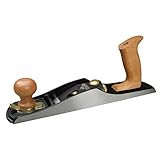
Look for a standard No. 4-style bench plane with a roughly 2-inch-wide iron, a sole around 9 inches long, and a replaceable or removable blade. This size is manageable for beginners and versatile enough for furniture parts, shelves, boxes, and general shop work.
A good entry-level plane should cost roughly $45 to $90 when bought new. Below that range, quality becomes inconsistent. Above it, you may gain better casting, smoother adjustment, and improved blade steel, but those benefits matter less if you are still learning sharpening and setting the cut.
For a first purchase, compare current prices on No. 4 bench hand planes rather than searching only for premium brands. Check the sole, frog, blade adjustment, and return policy. A reputable retailer is valuable because a defective casting is not always obvious from a product photograph.
What to look for before buying
The sole does not need to be mirror-polished, but it should be reasonably flat. Place a straightedge along the length and width if you can inspect the plane in person. A small hollow in front of the mouth is usually workable. A twist, a high corner, or a sole that rocks badly is a serious problem.
The iron should be thick enough not to chatter during ordinary cuts and should extend evenly through the mouth. Avoid planes with a blade that is visibly bent, deeply pitted across the cutting edge, or difficult to remove. A beginner can fix a dull blade; fixing severe rust or a damaged back is more trouble than the savings are worth.
Adjustment should feel positive rather than loose. The depth-adjustment wheel should move the blade in small increments, and the lateral lever should shift the edge left and right without excessive slop. The front knob and rear tote should be solid, with no cracks around their mounting screws.
New, used, and premium options compared
| Option | Typical price | Best for | Main drawback |
|---|---|---|---|
| Budget new No. 4 | $35–$60 | Lowest-risk first purchase | May need sole and blade tuning |
| Better new No. 4 | $60–$120 | Beginners wanting easier setup | Higher price, diminishing returns |
| Used vintage No. 4 | $25–$80 | Buyers willing to inspect and restore | Condition varies widely |
| Premium new plane | $180 and up | Frequent users who value refinement | Too expensive for learning basics |
A better new plane is often the easiest recommendation for a beginner because it usually arrives complete and has fewer hidden problems. A used plane can be an excellent value if the sole is straight, the body is not cracked, and the frog and adjustment parts are present. However, restoration supplies, replacement hardware, and sharpening equipment can erase a $30 saving quickly.
Search local listings for used vintage No. 4 hand planes only if you are prepared to judge condition. Surface rust is acceptable. Deep pitting on the sole or blade, missing screws, and broken wooden handles are warning signs.
Budget for sharpening, not just the plane
The plane body is only half the tool. You need a way to establish a roughly 25-degree primary bevel, hone a small secondary bevel around 30 degrees, and remove the burr. A basic combination waterstone, diamond plate, or abrasive-paper setup may add $25 to $70.
For value, a replaceable blade is useful. It lets you keep a spare sharp iron ready and avoids abandoning the plane when the original blade is badly damaged. A thick premium blade can reduce chatter, but it will not compensate for poor sharpening technique or an incorrectly set mouth.
Do not judge the plane after taking it straight from the box. Flatten the back of the blade near the edge, sharpen it, and set the cap iron close to the cutting edge—often around 1/16 inch for difficult grain. Start with a shaving around 0.002 to 0.004 inch thick. If the plane takes a thick shaving immediately, it is likely to jam or leave a rough surface.
Common beginner failure modes
Chatter usually comes from a dull or poorly supported blade, a loose cap iron, or an overly deep cut. Tear-out is often caused by planing against the grain or using too large a mouth opening. A plane that feels hard to push may simply be taking too much material.
Another common mistake is buying a specialty plane first. A low-angle block plane is handy for end grain and small parts, but it is not a substitute for a No. 4 when flattening a tabletop component. A jack plane removes stock faster, yet its longer body and wider cuts can be frustrating for a novice. Buy a beginner hand-plane sharpening kit before adding specialized planes.
When seasonal discounts actually matter
Hand planes often see useful discounts during November sales, Father’s Day promotions, and general spring tool events. The realistic savings are commonly 10% to 25%, not half price. Compare the final price with shipping and check whether the listing is sold by a reliable retailer.
Used prices can be better in winter, when fewer casual buyers are searching locally. New prices are often easiest to compare around major holiday sales. If you find a sound No. 4 at $50 to $70, buy based on condition rather than waiting months for a theoretical lower price. The right plane, properly sharpened, is worth more than a cheaper plane that prevents you from working.