Best Crypto Wallet App
As an Amazon Associate I earn from qualifying purchases. This post may contain affiliate links at no extra cost to you.
Anyone holding more than a trivial amount of cryptocurrency eventually hits a wall: software wallets expose your keys to network-connected threats, and leaving assets on an exchange means trusting a third party with coins you technically never truly own. The products on this list all address that gap by keeping private keys offline in hardware or physical form, but they solve the problem in meaningfully different ways. Some prioritize portability, others favor multi-person backup schemes, and a few focus on niche chains like XRP with dedicated physical tokens.
The spread between a good cold wallet and a mediocre one comes down to a few concrete factors: how transparently the device proves that keys never touch the internet, how easily a recovery process works for someone who is not technically inclined, and whether the long-term cost of ownership (considering price tiers and multipacks) fits your actual portfolio size. We compared published specifications, listed prices, and aggregated owner feedback to rank these eight options for anyone shopping for a crypto wallet app companion in 2026.
As an Amazon Associate we earn from qualifying purchases at no extra cost to you.





Our Top Picks




Quick Picks
| Product | Best for | Price |
|---|---|---|
| TANGEM Pack of 2 | Single-user cold storage on a tight budget | $50.7 |
| TANGEM Pack of 3 | Family or team backup without a hub | $66.4 |
| ELLIPAL X Card | Multi-chain holders who want air-gapped NFC | $53.2 |
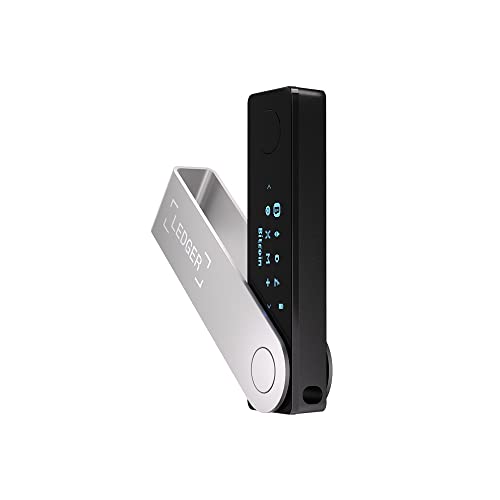
| Ledger Nano X | Users who want Bluetooth convenience with a large app ecosystem | $99 |
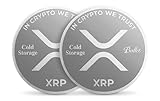
| Ballet XRP 2-Pack | XRP-only holders seeking a physical coin | $56 |
| ELLIPAL X Card Pack of 3 | Teams or households needing three independent cold devices | $109 |
| Arculus Silver | NFT collectors who value 3-factor authentication on a credit-card form | $59.76 |
| Arculus Black | Same security model with a market-cap coverage claim | $59.76 |
How We Picked
We weighed four criteria: air-gap architecture (does the device ever require a direct internet or Bluetooth connection to sign transactions?), recovery clarity (can a non-technical owner realistically reconstruct access after losing the device?), multipack value (how does per-unit pricing compare when you need redundancy for a household or small team?), and chain breadth (does the firmware support the specific assets you hold, or are you paying for capability you will never use?). Owner-reported issues around firmware updates and support responsiveness were factored in where feedback was consistent across sources.
The 8 Best Crypto Wallet App in 2026
TANGEM Crypto Wallet Pack of 2
This twin-card bundle suits a solo user who wants one primary device and one spare stored in a separate physical location without investing in a passphrase-splitting protocol. The cards communicate via NFC with a companion app, and each card stores keys in a secure element, so neither ever touches a network.
- Pro: Per-card cost is the lowest on this list, making genuine geographic redundancy affordable.
- Pro: Open-source firmware lets security-conscious users verify the signing logic themselves.
- Con: No screen on the cards means you must trust the companion app display for address confirmation.
Skip this if your portfolio is small enough that a single software wallet with a hardware passphrase already gives you adequate protection, or if you need screen-verified signing for high-value transactions.
TANGEM Crypto Wallet Pack of 3
Three cards let a small household or two-person partnership implement a simple majority-based backup scheme without purchasing a separate hub or smartcard reader beyond what a phone provides. The extra unit also serves as a travel spare if you carry one card in a different city.
- Pro: Marginal cost over the two-pack is roughly eight dollars, so the third unit is nearly free in practical terms.
- Pro: Supports the same broad coin list as the two-pack, covering major chains without extra licenses.
- Con: Managing three identical NFC cards requires a labeling discipline that some owners report as tedious.
Pass on this if you live alone, hold assets on fewer than three chains, or already own a two-pack and simply need to add one card separately.
ELLIPAL X Card
The X Card is aimed at multi-chain holders who want a genuinely air-gapped signing path: the card pairs with an ELLIPAL companion app over NFC, never over USB or Bluetooth data channels, so keys remain isolated from network exposure. It advertises support for over ten thousand tokens and NFTs.
- Pro: Zero-connection signing architecture removes the Bluetooth attack surface that some competitors accept.
- Pro: Compact card form factor fits a wallet sleeve or safe deposit box slot.
- Con: The card itself has no display, so visual verification depends entirely on the paired phone app.
Not ideal for users who already own an ELLIPAL hub-style device and only need a signing card, or for those who prefer a screen-equipped hardware wallet.
Ledger Nano X
The Nano X remains the reference choice for owners who want Bluetooth pairing, a built-in screen, and access to the largest third-party app ecosystem in hardware wallets. Its Secure Element chip and physical button confirmation add a tangible signing layer that many users find reassuring.
- Pro: Screen-based address confirmation lets you verify receiving addresses without trusting a computer or phone.
- Pro: Support for the widest catalog of coins and tokens among Bluetooth-capable hardware wallets.
- Con: Highest single-unit price on this list, and Bluetooth reintroduces a wireless channel that strict air-gap purists will reject.
Skip this if you want zero wireless communication or if your holdings fit entirely within chains that cheaper NFC or physical alternatives cover.
Ballet XRP Cold Storage Coin 2-Pack
This is a purpose-built physical token for XRP holders who want a steel object that embeds a private key and seed phrase behind a tamper-evident seal. The two-pack allows one coin in a home safe and another in a bank box. It is not a general-purpose wallet.
- Pro: Steel construction and sealed design offer long-term physical durability unmatched by electronic devices.
- Pro: Single-chain focus removes firmware-update risk entirely.
- Con: Only supports XRP, so it is useless as a primary wallet for anyone holding additional assets.
Pass on this unless your entire portfolio is XRP and you specifically want a physical coin rather than a device that signs transactions electronically.
ELLIPAL X Card Crypto Wallet Pack of 3
Buying three X Cards at a per-unit rate below the single-card price targets families, small teams, or a single user who wants card-level redundancy across multiple geographic locations. Each card independently pairs with the companion app, so no shared hub becomes a single point of failure.
- Pro: Meaningful per-unit discount versus purchasing three single cards individually.
- Pro: Each card maintains its own key material, so a compromise of one card does not expose the others.
- Con: The companion app still requires you to trust its rendering of addresses, as none of the cards include a screen.
Skip this if you already own one X Card and the ecosystem and only need a backup, since a single additional card would be more cost-effective.
Arculus Crypto Cold Storage Wallet, Silver
The Arculus card uses a credit-card form factor with a built-in biometric reader and secure element, requiring three independent factors (possession, biometrics, and a paired app confirmation) before any transaction signs. It targets users who want their phone to remain a trusted companion rather than the sole signing authority.
- Pro: 3-factor authentication raises the theft threshold well above simple physical-possession attacks.
- Pro: Slim form factor eliminates the bulk of dongle-style hardware wallets.
- Con: Relies on a subscription-linked companion ecosystem; some owners report friction when migrating to a new phone.
Not the best fit for users who prefer open-source, firmware-auditable devices or who hold assets on chains outside the Arculus support matrix.
Arculus Crypto Cold Storage Wallet, Black
Functionally identical to the Silver variant, the Black edition carries the same secure-element chip, biometric reader, and 3-factor model while advertising coverage of roughly ninety-five percent of total cryptocurrency market cap by chain. The color choice is cosmetic; pricing is the same.
- Pro: Market-cap coverage claim signals broad chain support without needing separate firmware modules.
- Pro: Identical security architecture to the Silver card at no premium.
- Con: The broad support claim still leaves some smaller or niche chains unserved, and verification requires checking the current chain list.
Choose the Silver unless you specifically prefer the black aesthetic; do not buy this if your portfolio sits outside the supported-chain list.
Buying Guide
Air-Gap Architecture vs. Bluetooth Connectivity
The single most consequential design decision is whether the signing device ever communicates over a radio or cable that could carry a network payload. NFC-only cards like the TANGEM and ELLIPAL X Card require physical proximity to a phone reader but never establish a persistent wireless session. Bluetooth devices like the Ledger Nano X trade a marginal convenience gain for a larger attack surface. If your threat model includes sophisticated remote targeting, favor NFC or sealed-physical designs. If you value speed and a wide app ecosystem and are comfortable accepting the residual risk, Bluetooth is workable.
Screen Verification and the Trust Chain
A hardware wallet without a display delegates transaction verification to the paired phone or computer. That means a compromised host could show you a valid-looking address while the device signs a different one. Cards and steel tokens eliminate the attack vector in other ways (they never connect to a host at all during signing), but for NFC cards that still rely on an app to display addresses, the trust gap is identical to software-only approaches. A built-in screen, as found on the Nano X, closes that gap by letting you read the address on the hardware itself.
Multipack Economics and Redundancy Strategy
Single-device ownership is a recovery risk. The TANGEM packs and ELLIPAL three-card bundle exist because per-unit pricing drops when you buy multiple identical devices, letting you store spares in separate locations. Decide your redundancy plan before choosing a product: if you want two geographic copies, a two-pack beats buying singles. If you want three-person threshold access, a three-pack of NFC cards can simulate a simple majority scheme without purchasing a separate smartcard hub.
Our Verdict
The ELLIPAL X Card is the top pick for most multi-chain holders: its air-gapped NFC model removes the Bluetooth attack surface, its broad token support covers practical portfolios, and the price sits below the Ledger while offering stronger isolation. For budget-conscious buyers who prioritize per-unit cost, the TANGEM Pack of 2 delivers the lowest effective price on this list while retaining open-source verifiability. If you specifically hold XRP and want a zero-electronics physical backup, the Ballet 2-Pack wins on durability and simplicity where no electronic wallet can compete.
FAQ
Can I use a hardware wallet as my only crypto wallet app?
No. Hardware or physical devices store keys offline and require a companion application or interface to construct and broadcast transactions. The device never holds a balance on-chain; it signs so you can submit to the network. You still need a wallet app, web interface, or exchange withdrawal destination to interact with the blockchain.
What happens if I lose my NFC card and have no backup?
If the card was the sole holder of your private key or seed, the assets are unrecoverable. That is why multipacks, printed seed backups, or threshold schemes exist. Treat the loss of your only cold device as equivalent to destroying the coins.
Are steel physical tokens like the Ballet coin safer than electronic cards?
Steel tokens eliminate firmware bugs, battery degradation, and wireless attack surfaces entirely, but they cannot sign transactions on their own. You still need to import the embedded key into a software wallet, which re-exposes it to that software’s attack surface. Safety here is about the storage layer, not the signing layer.
Does the Arculus subscription model create vendor lock-in?
The Arculus system pairs its card with an app that manages key derivation through the vendor’s infrastructure. Owners who lose their phone or encounter app migration issues report friction that does not exist with fully self-contained NFC or Bluetooth devices. If long-term independence from a single company’s service matters to you, prefer open-firmware options.