Echo vs Husqvarna Chainsaws: Which Brand Provides Better Value for Occasional Use?
What's inside
As an Amazon Associate I earn from qualifying purchases. This post may contain affiliate links at no extra cost to you.
For occasional firewood cutting, storm cleanup, or trimming a few trees each year, Echo and Husqvarna both make capable chainsaws. The better value depends less on maximum horsepower and more on purchase price, dealer support, starting behavior, parts availability, and whether the saw will sit unused for months.
In general, Echo is often the stronger value for a homeowner who wants a simple, durable saw with a good warranty. Husqvarna offers more model variety and excellent ergonomics, and its homeowner saws can be the better buy when discounted. Neither brand is automatically the right choice: a cheaper saw that is hard to start or poorly maintained will cost more than its price tag suggests.
As an Amazon Associate we earn from qualifying purchases at no extra cost to you.
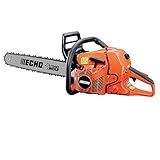


Echo vs. Husqvarna at a glance
| Factor | Echo | Husqvarna |
|---|---|---|
| Typical occasional-use value | Strong, especially when warranty length and reliability matter | Strong when sale pricing and local service are favorable |
| Homeowner range | Usually straightforward, with fewer confusing trim levels | Broad range from light-duty homeowner to pro-oriented saws |
| Starting and controls | Simple controls and generally predictable cold starts | Good ergonomics, with starting features varying by model |
| Dealer and parts support | Very good where an Echo dealer is nearby | Very good, but local coverage varies considerably |
| Best bar size for most occasional users | 14 to 16 inches | 14 to 16 inches |
Choose the smallest saw that handles your work
For branches and small logs under 10 inches, a light saw with a 12- to 14-inch bar is easier to control and less tiring. A 14- to 16-inch saw is the practical middle ground for most homeowners. It can handle firewood and storm cleanup without becoming unnecessarily heavy.
A 16-inch bar does not mean the saw should regularly cut 32-inch logs. A practical rule is to keep routine cutting within the bar’s comfortable working range, leaving room to reposition the saw rather than forcing the nose through oversized wood. Larger bars add weight, cost, and strain on the engine. They also increase kickback exposure for an inexperienced operator.
For occasional use, look at Echo homeowner chainsaws and comparable Husqvarna models in the same bar class. Compare the complete package, including chain brake design, tool-free adjustments, case availability, and whether a replacement chain is easy to find locally.
Where Echo provides better value
Echo’s main advantage is its uncomplicated homeowner lineup. The controls are familiar, replacement parts are generally available through outdoor-power dealers, and the brand has a strong reputation for making saws that tolerate intermittent homeowner use when fuel and storage are handled correctly.
Warranty terms can also improve Echo’s value. Depending on the model and purchase conditions, Echo has commonly offered longer consumer warranty coverage than some competing gas-saw brands. Check the current terms before buying, because registration, fuel requirements, and commercial-use exclusions may apply.
Echo is a particularly sensible choice when you expect to use the saw only a few times per year and do not need advanced features. A mid-size Echo is usually enough for cutting storm-damaged limbs, bucking small firewood, and clearing fallen branches. Paying more for a professional-grade saw will not make occasional work faster if the operator is limited by technique, safety, or log diameter.
Where Husqvarna provides better value
Husqvarna offers more choices across the homeowner and professional categories. That makes it easier to find a lighter saw for limbing or a stronger saw for regular firewood, but it also makes comparison harder. Two saws with similar bar lengths can have noticeably different engine output, weight, vibration control, and build quality.
Husqvarna’s ergonomics are often a deciding factor. Controls are easy to reach, and many users find the balance comfortable during limbing. If you will work overhead or carry the saw around a large property, a few ounces matter. A saw that weighs roughly 10 pounds ready to cut will feel much better than a 13-pound model after an hour.
Husqvarna is often the better deal during seasonal promotions. Look for discounts in late summer, fall, and early spring, when retailers clear outdoor-power inventory or bundle a saw with oil, a spare chain, or a case. A discounted Husqvarna with nearby authorized service can beat a full-price Echo, especially if the two saws have similar displacement and warranty coverage.
Gas or battery for occasional cutting?
Gas remains the safer value for cutting several cords of firewood or working away from a charger. It provides longer continuous runtime and does not require buying a large battery platform. However, gasoline creates the most common failure mode for occasional users: stale fuel.
Gasoline with ethanol can cause hard starting, clogged carburetors, brittle fuel lines, and poor running after sitting for several months. Use fresh fuel, follow the manufacturer’s storage procedure, and never leave untreated fuel in the tank through winter. If you only cut for 15 to 30 minutes at a time, a battery saw may cost more initially but avoid carburetor repairs and fuel storage problems.
For light pruning and small storm debris, compare Echo cordless chainsaw kits or Husqvarna cordless chainsaw kits. Battery value depends heavily on whether you already own compatible batteries. Buying a charger and battery separately can add $100 to $250 or more, wiping out the apparent advantage of a lower tool price.
The costs buyers miss
Budget at least $20 to $35 for a spare chain, depending on size and chain type, and expect to replace chains sooner if you cut dirty, frozen, or sandy wood. A sharpening file or small electric sharpener adds another $10 to $50. Bar oil is inexpensive, but a saw can use several ounces during a long cutting session.
Safety equipment is not optional. A basic package with eye and hearing protection, gloves, a helmet with face shield, and chainsaw chaps commonly costs $100 to $250. Chaps are especially important for occasional users who may not recognize kickback or saw pinch risks quickly enough.
Also check service before buying. A nearby dealer that stocks chains, bars, fuel lines, and sprockets can save days of downtime. Online pricing is attractive, but a bargain is less valuable if a starting problem requires shipping the saw across the country.
The best buying strategy
Buy the lighter 14- to 16-inch model from whichever brand has the better local support and current price. Choose Echo when the prices are close and you prioritize a simple ownership experience and warranty value. Choose Husqvarna when its ergonomics suit you better, the dealer is stronger in your area, or a seasonal sale creates a meaningful discount.
For a saw used only once or twice annually, avoid buying by engine size alone. Spend the difference on protective gear, a spare chain, and proper storage supplies. Those purchases reduce the real risks of occasional ownership far more than an extra inch of bar length or a small horsepower increase.