Best Value Lockable Tool Box for a Pickup Truck
What's inside
As an Amazon Associate I earn from qualifying purchases. This post may contain affiliate links at no extra cost to you.
A lockable pickup toolbox does not need to be the biggest or most expensive one to be good value. It needs to fit the truck, keep tools out of sight, resist weather, and have a latch you can trust. For most owners, a mid-size aluminum crossover box is the best balance of cost, access, and usable bed space. A basic steel box can cost less, while a heavy-duty box makes sense if it will see daily commercial use.
As an Amazon Associate we earn from qualifying purchases at no extra cost to you.
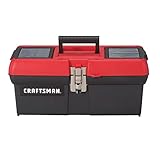
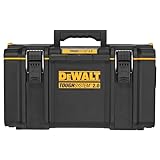
What value means in a truck toolbox
Compare the installed cost and useful features, not just the price on the product page. A low-priced box can become a poor buy if it leaks, its lid flexes, or its mounting hardware does not suit your bed. On the other hand, paying extra for thick plate, premium finishes, or oversized storage is wasted money if you carry a small set of hand tools.
Start with the tools you actually carry. Measure the longest item, such as a shovel or breaker bar, and check the toolbox’s interior dimensions. Then measure the bed rails and available width. Pickup beds vary, and boxes are sold in different widths and shapes. Leave enough room for the lid to open fully and check that it will not interfere with a bed cover, headache rack, or rear window.
Which type offers the best value?
A mid-size aluminum crossover toolbox is the practical default for many pickups. Crossover boxes sit across the bed near the cab, so smaller items are easy to reach without climbing into the bed. Aluminum resists rust and weighs less than steel, but thin panels can dent and a long lid may flex if loaded with heavy gear.
A basic steel truck toolbox is worth considering if the purchase price matters most and the truck is kept in a dry area. Steel is heavier and can rust where paint is scratched, especially around seams and mounting holes. Its extra weight can also matter if the box is large and the truck already carries a heavy load.
For a full-size truck that needs bulky storage, a low-profile crossover box preserves more rear-window visibility than a tall box. The trade-off is less capacity. Side-mount boxes can leave the center of the bed open, but they are a more specialized fit and may cost more for the space provided.
| Type | Best for | Value advantage | Watch for |
|---|---|---|---|
| Aluminum crossover | General use and mixed weather | Light weight, rust resistance, convenient access | Thin lids can flex or dent |
| Painted steel | Lowest-cost storage in dry conditions | Often lower purchase price | Scratches and seams can rust |
| Low-profile crossover | Drivers who want a clearer rear view | Less visual obstruction | Reduced storage volume |
| Side-mount box | Keeping the center of the bed usable | Preserves floor space | Fit and price vary by truck and box |
A lock is only one part of security
Most truck boxes are deterrents, not safes. A keyed latch can keep casual hands out and make tools less visible, but a determined thief may pry the lid or take the entire box. Look for a full-width latch or locking points that pull the lid down evenly. A single weak latch can let a long lid bow enough to loosen the seal or create a pry point.
Check the lock cylinder and latch action before mounting. The key should turn without forcing, and the lid should close squarely. Keep a spare key somewhere other than inside the box. If you regularly leave expensive tools in the truck overnight, consider removing them or adding a separate lockable interior case; a toolbox alone is not a guarantee against theft.
Weather sealing also varies. A gasket can reduce water and dust entry, but it cannot fix a warped lid or badly aligned hinges. After installation, put a few sheets of paper inside and spray the box with a hose from different angles. Damp paper points to a leak worth correcting before tools, batteries, or paperwork get wet. Avoid directing a pressure washer at the seams.
Budget for installation and fit
Before buying, check whether the box includes mounting hardware. Some installations use J-bolts that clamp around bed rails; others need a different setup, especially with bed liners, tonneau covers, or unusual rail shapes. Do not drill through the bed without checking what is underneath and whether the hole will expose bare metal to corrosion.
A toolbox can also shift if it is mounted loosely. Tighten fasteners evenly, use suitable washers, and recheck them after the first few trips. Keep the box positioned so the lid clears the cab and opens without striking a rack. If your truck has a tonneau cover, confirm both products can coexist before ordering rather than relying on a generic “fits most” claim.
When the cheaper box is enough
Choose a basic box if you carry light hand tools, park in a garage, and open it only occasionally. A less expensive steel unit may serve well if its dimensions fit, the lid closes firmly, and you are willing to touch up chipped paint. A premium finish is not useful if the box is mainly storing straps and a tire gauge.
Spend more when the truck works outdoors every day, the box will be opened repeatedly, or the contents are costly to replace. In that case, prioritize solid hinge attachment, a lid that resists flex, reliable weather sealing, and readily available replacement keys or latch parts. Those details matter more than a decorative finish.
When to shop
Compare prices during spring truck-accessory promotions and major holiday sales, but do not assume a discount makes an ill-fitting box a bargain. Shipping can be expensive for a bulky item, and local pickup may be cheaper. Check the return policy before ordering: a box that is technically the right width can still conflict with a bed cover or leave too little room for the lid to open.
For the best value, measure first, buy the smallest box that fits the tools you need to protect, and put the savings toward secure mounting. For most general-purpose pickups, that means a sensibly sized aluminum crossover box. Choose steel for the lowest upfront cost in mild conditions, or pay for heavier construction when daily work and frequent use justify it.