How to Buy Tools for a Rental Property Without Overspending
What's inside
As an Amazon Associate I earn from qualifying purchases. This post may contain affiliate links at no extra cost to you.
Buying tools for a rental property is different from outfitting a personal workshop. The goal is not to own the best version of everything. You need dependable tools that survive occasional abuse, solve common maintenance problems, and do not tie up money between tenants.
A good rental-property kit usually covers five jobs: tightening and assembly, basic plumbing, electrical troubleshooting, wall and floor repairs, and outdoor cleanup. Start with those jobs rather than buying a complete tool set. A $300 kit full of tools you never use is a worse value than a $150 collection built around the property’s actual needs.
As an Amazon Associate we earn from qualifying purchases at no extra cost to you.


Start With the Property’s Maintenance Profile
Walk through the property and list likely repairs before shopping. A single-family home with a yard may need a drill, impact driver, shovel, pruners, hose tools, and a wet/dry vacuum. An apartment may need mostly hand tools, a compact drill, a stud finder, and a small vacuum. A property with old plumbing may justify better pliers and a basin wrench before it needs a circular saw.
Also check what you already own. Duplicate batteries, chargers, tape measures, and screwdrivers are common sources of wasted spending. Keep a simple replacement log: tool, purchase price, failure date, and repair or replacement cost. After a year, it will show which items deserve an upgrade and which inexpensive tools are performing adequately.
Buy the Core Tools First
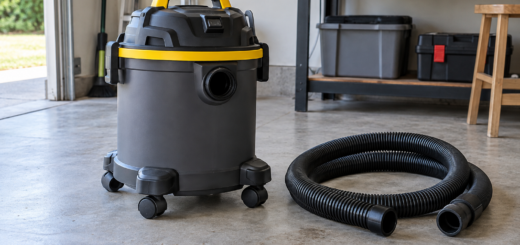
For most rental properties, begin with a 12- or 18-volt cordless drill/driver, a basic bit set, a 16-foot tape measure, a utility knife, adjustable pliers, a set of screwdrivers, hex keys, a hammer, a level, and a headlamp. Add a small wet/dry shop vacuum if the property has a basement, workshop, or frequent turnover work.
A drill/driver is usually more useful than an impact driver as the first cordless tool. It gives better control for cabinet hardware, outlet covers, hinges, and small fasteners. An impact driver becomes worthwhile if you regularly install long screws, assemble decks, or work on exterior structures. Do not buy both immediately unless the workload justifies two tools.
Expect to spend roughly $80 to $150 for a decent drill kit with one battery and a charger. A bargain kit under $50 can be fine for light turnover work, but the battery may be small, the chuck may loosen, and replacement batteries may cost nearly as much as the original kit.
Compare Value, Not Just the Sticker Price
| Tool category | Budget choice | When it is enough | When to spend more |
|---|---|---|---|
| Hand tools | Basic chrome-plated set, about $25–$60 | Fixtures, furniture, covers, and minor adjustments | Frequent use, rounded fasteners, or corrosion-prone properties |
| Cordless drill | Entry-level kit, about $50–$100 | Occasional repairs and light assembly | Multiple units, masonry drilling, or daily turnover work |
| Wet/dry vacuum | 5-gallon unit, about $50–$90 | Small spills, dust, and drain cleanup | Large renovation debris or repeated water removal |
| Extension ladder | Basic aluminum ladder, about $100–$180 | Low-frequency gutter and exterior work | Frequent use, uneven ground, or heavier loads |
Brand consistency matters most with cordless tools. Once you own two or three tools, staying within one battery platform can save more than chasing the lowest individual price. A second battery often costs $30 to $80, so a cheap tool from another platform is not cheap if it requires a new charger and battery.
For hand tools, brand loyalty is less important. A mid-priced plier or screwdriver can last for years in rental maintenance. The main failure modes are soft tips that strip screws, jaws that slip, and handles that crack after being left in a damp truck. Buy the cheaper option when the tool is used occasionally and failure will not create a safety problem.
Know Where Not to Cut Costs
Spend more on tools that affect safety or can cause expensive damage. That includes a non-contact voltage tester, a receptacle tester, a sturdy ladder, eye protection, and a cordless oscillating multi-tool if you often cut trim, drywall, or flooring. A $10 voltage tester that gives inconsistent readings is not a bargain if it leads to work on a live circuit.
Buy a quality laser distance measure only if you regularly measure rooms for flooring, paint, or appliance replacement. Otherwise, a $10 to $20 tape measure is enough. Similarly, a premium circular saw is unnecessary for a landlord who hires out framing and only makes occasional shelf cuts.
Safety equipment should be replaced after damage, not stretched until it fails. Replace cracked goggles, frayed extension cords, bent ladder feet, and drill bits that require excessive pressure. Dull bits create heat and can damage screws, while a damaged cord can trip breakers or create a shock hazard.
Use Seasonal Timing to Lower Prices
Tool discounts are usually strongest around major holiday sales, especially late November, but the best timing depends on the category. Cordless power-tool kits often receive bundle discounts in spring and around Father’s Day. Outdoor tools tend to be discounted near the end of summer and again after the fall cleanup season. Vacuums, heaters, and snow tools are often cheapest when the season is ending, not beginning.
Compare the full package rather than the advertised percentage off. A kit marked “40% off” may include a weak battery, an unwanted saw, or a charger you already own. Check the normal price over several weeks, confirm the warranty, and calculate the cost of adding a second battery. Clearance tools can be excellent values, but make sure batteries and accessories are still available.
Control Loss and Replacement Costs
Rental tools disappear more often through misplacement than theft. Keep them in a labeled case or locking tote, and take a quick inventory after every turnover. Mark batteries and chargers with paint or an engraving pen. Store small parts such as driver bits, anchors, and utility blades in divided containers rather than loose bags.
Finally, separate “maintenance tools” from “renovation tools.” If a major repair happens once every few years, renting a demolition hammer, drain auger, or tile saw is usually cheaper than storing it. Buy tools that solve recurring problems; rent tools that solve rare, expensive ones. That approach keeps the property serviceable without turning a rental into an unused workshop.