Best Affordable Tools for Keeping a Rental Property Ready Between Tenants
What's inside
As an Amazon Associate I earn from qualifying purchases. This post may contain affiliate links at no extra cost to you.
Build a lean turnover kit
A rental turnover rarely calls for a full workshop. The useful buys are tools that handle repeat jobs—tightening loose hardware, patching small holes, cleaning floors and checking for leaks—without taking up a closet or requiring a lot of maintenance. Start with a basic kit, then add specialty tools only when the same repair comes up often.
For a small rental, a cordless drill/driver, hand-tool set, wet/dry vacuum, step ladder and basic safety gear cover many between-tenant tasks. Expect to spend roughly $250–$500 for workable budget versions, depending on battery-platform choices and what you already own. Prices change often, so compare current kit contents rather than judging by the tool’s advertised price alone.
As an Amazon Associate we earn from qualifying purchases at no extra cost to you.



Buy for repeat jobs, not the tool aisle
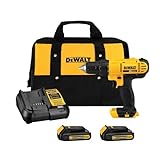
A cordless drill/driver is the first power tool worth buying. It handles cabinet pulls, door hardware, blinds and light fixture fasteners, and it can bore small pilot holes for repairs. A budget 12-volt kit is usually enough for apartment-scale work; choose an 18- or 20-volt platform if you also expect to drill larger holes, drive long screws or add other cordless tools later. Look for a kit with two batteries and a charger, not a bare tool that forces a separate purchase.
For occasional work, a simple brushed drill is fine. Brushless models typically run longer per charge and may last longer under heavy use, but the extra cost is hard to justify if the drill comes out once a month. A cordless drill/driver kit with two batteries is a practical starting point. Keep a small driver-bit set on hand; worn or mismatched bits can strip screws and turn a quick hardware fix into a damaged cabinet door.
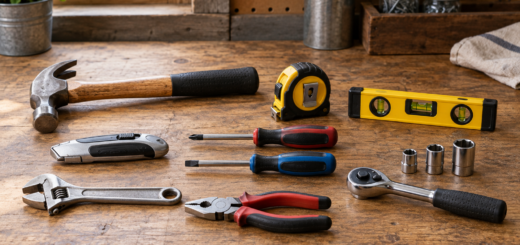
Buy a hand-tool set with a tape measure, utility knife, pliers, adjustable wrench, screwdrivers and a hammer. Cheap sets are adequate for light maintenance, but inspect the screwdriver tips and plier jaws before relying on them. Soft metal tips can round out screws, while a loose adjustable wrench can slip and damage a fitting. A few well-made individual tools may be better value than a large kit full of pieces you will never use.
Compare the core buys
| Tool | Budget range | Good-enough choice | When to spend more |
|---|---|---|---|
| Cordless drill/driver | $60–$150 | 12-volt kit with two batteries | Frequent use, larger holes or shared battery platform |
| Wet/dry vacuum | $50–$130 | 4–6 gallon portable unit | Heavy debris, larger rooms or frequent contractor cleanup |
| Step ladder | $35–$100 | Sturdy 4- or 6-foot ladder | Regular overhead work or need for a platform top |
| Moisture meter | $20–$60 | Basic pin meter for spot checks | Repeated leak investigations or detailed documentation |
These are broad U.S. retail ranges, not guaranteed sale prices. A familiar brand can be worth paying for when batteries, replacement parts and warranty support matter. For a single drill or vacuum used lightly, a reputable budget brand may be the better buy. Avoid paying a premium for a battery ecosystem you will not expand.
Cleaning and small repairs
A compact wet/dry vacuum earns its space after patching, sanding or cleaning a utility area. A 4- to 6-gallon model is easier to carry up stairs than a large shop vacuum and is sufficient for dust, small spills and modest debris. Check whether the filter is suitable for fine drywall dust; a basic filter can clog quickly and blow dust back into the room. Use a compatible fine-dust filter or bag, and do not vacuum hazardous materials such as asbestos or unknown renovation debris.
For a rental with mostly hard floors, a microfiber flat mop and washable pads are often better value than a specialized powered floor cleaner. A small orbital sander can speed up patch-and-paint work, but it creates dust and is unnecessary for a few nail holes. Hand-sanding with a sanding block is slower but cheaper and easier to control on small repairs. If you buy a sander, connect the vacuum where possible and use eye and respiratory protection.
Keep a basic caulk gun and a putty knife with the repair supplies. A smooth-action gun makes it easier to lay an even bead around a sink or tub; the cheapest models can be frustrating, but a midrange manual gun is enough for occasional resealing. Do not caulk over active leaks, mold or loose material. Find and fix the source first, or the new bead may trap moisture and fail.
Check for hidden problems
A non-contact voltage tester is a useful screening tool before replacing a switch cover or handling a suspected live wire, but it is not proof that a circuit is safe. Follow the tester instructions and use a proper meter or a qualified electrician when a reading is uncertain. For plumbing checks, a flashlight and a few dry paper towels often reveal a slow drip more reliably than buying a specialized gadget.
A basic pin moisture meter can help compare a suspicious wall or baseboard with a dry area nearby. Treat the reading as a clue, not a diagnosis: metal, salts and different building materials can affect results. If a reading stays high, the wall feels damp or there is a musty smell, investigate promptly rather than painting over it. A basic pin moisture meter is worthwhile if you regularly manage older properties; for one isolated turnover, renting or borrowing one may be more sensible.
Seasonal buying and storage
Buy tools when a repair need is clear, not just because a spring sale advertises a large discount. Drill kits and outdoor tools often see promotions around major holiday sales, while ladders, vacuums and hand tools are less tied to a single season. Compare the kit’s battery capacity, charger, warranty and included accessories; a low-priced bundle with a small battery may cost more once you add a second one.
Before winter, check that the kit includes a reliable flashlight, spare batteries and a way to clear light debris around drains. Before summer, inspect the ladder and vacuum, replace worn filters and confirm that extension cords are undamaged. Store batteries indoors in a dry place, and avoid leaving them in a hot vehicle. Label the tools and keep a simple inventory so items do not disappear between units.
Where to save—and where not to
Save on tools used a few times a year: a basic hand-tool set, manual caulk gun and compact vacuum are usually enough for routine turnover work. Borrow or rent a tile saw, drain machine or other specialty tool rather than buying it for a one-off repair. Spend more on safety equipment, a stable ladder and tools that prevent repeat callouts. A damaged ladder or unreliable tester can cost far more than the difference between budget and midrange.
Keep the kit focused, and replace items when they show a real failure: cracked handles, loose ladder feet, frayed cords, swollen batteries or vacuum filters that no longer clean effectively. The best value is not the cheapest box on the shelf; it is a small set of dependable tools that makes common turnover jobs faster without turning maintenance into a second workshop.