How to Decide Whether Extended Tool Coverage Is Worth the Added Cost
What's inside
As an Amazon Associate I earn from qualifying purchases. This post may contain affiliate links at no extra cost to you.
Extended coverage can be worth paying for when a tool is expensive to repair, likely to see regular use, or difficult to replace quickly. It is often poor value for inexpensive tools, occasional DIY jobs, and problems the plan excludes. Compare the coverage price with the tool’s likely repair cost, the manufacturer warranty, and the time and hassle of making a claim.
What extended coverage actually adds
Start by checking what the plan covers and when it begins. Some plans extend protection against defects after the manufacturer warranty ends. Others add accidental-damage coverage, or cover failures from normal use. Those are different benefits; a longer term does not automatically mean broader protection.
Read the exclusions before comparing prices. Common limits include wear items such as batteries, blades, belts, and brushes; damage from misuse; commercial use; and repairs below a deductible. A plan may also require you to ship the tool at your expense or use an authorized repair center. If the tool is out of service for weeks, coverage may pay for the repair but still leave you without a usable tool.
Calculate the break-even point
Use a simple test: compare the plan price with the repair bill you could reasonably face during the covered period. If coverage costs $40 and a likely repair would cost $100, the maximum direct savings from one covered repair is $60. That does not mean the plan is a good bet: the repair must happen, qualify, and cost more than any deductible or service fee.
Ask for local repair estimates on the parts most likely to fail. A switch or cord repair may be modest; a motor, gearbox, or electronic control replacement can cost much more. Also check whether the plan replaces the tool or repairs it, and whether replacement is new, refurbished, or a credit toward another purchase. A “replacement” benefit is less useful if the available substitute is a lower-tier tool.
Compare your options
| Situation | Extended coverage tends to make sense when… | Paying out of pocket tends to make sense when… |
|---|---|---|
| Low-cost corded tool | The plan is inexpensive and includes accidental damage you are likely to face. | A repair would approach the cost of replacement, and the tool is easy to buy again. |
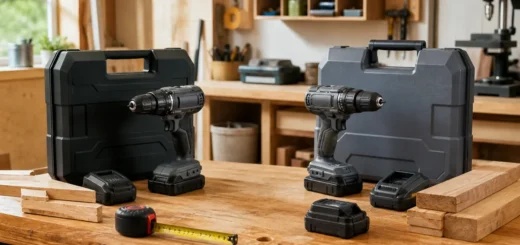
| High-use cordless tool | It is costly, used weekly, and a covered failure would interrupt paid work or an important project. | The plan excludes batteries or commercial use, or you already own a backup. |
| Seasonal tool | Storage, weather exposure, or frequent transport creates a real risk covered by the plan. | It will be used only a few times a year and can be replaced without delaying a job. |
| Tool with a strong factory warranty | The plan adds useful protection after the factory term or covers damage the factory warranty excludes. | It mostly overlaps with the original warranty or begins only after several years. |
Match the plan to the tool
For a basic drill, sander, or corded saw used for occasional home repairs, self-insuring is often reasonable. Set aside the plan price; if the tool fails, use that money toward a repair or replacement. That works especially well when the tool costs less than about $100, parts are available, and downtime does not matter.
More expensive tools used every week deserve closer scrutiny. A cordless platform tool may be worth protecting if replacement would disrupt a job, but check whether the battery and charger are included. If the plan covers only the bare tool, it may not address the failure you are most concerned about. For regular trade use, confirm that commercial use is permitted in writing; a consumer plan can be invalidated by work use.
When buying into a battery platform, compare the cost of a bare tool with a kit and check whether the battery has its own warranty. A cordless drill sold tool-only may be cheaper if you already own compatible batteries, but that saving does not make a plan valuable if battery failures are excluded.
Consider repairability and downtime
Warranty value is not just the invoice. A homeowner who can pause a weekend project may tolerate a two-week repair queue. A contractor who needs a tool every day may lose more in downtime than the repair costs. In that case, a spare tool, a second battery, or a reliable local repair option can be a better investment than coverage with slow claims.
Check whether replacement parts are sold and whether local shops service the brand. Less expensive tools can be perfectly adequate for light use, but some are harder to repair economically: if a failed component is not sold separately, replacing the whole tool may be the only practical option. Conversely, a repairable tool with accessible parts can make out-of-pocket ownership cheaper over several years.
Time the purchase
Seasonal sales can change the calculation. If a tool is discounted by $30, a $45 plan still costs $45; the discount does not make coverage free. Compare the plan against the actual checkout price, not the suggested retail price. Before paying extra, check whether the retailer’s plan duplicates a factory warranty or a benefit already provided by your payment method. Terms vary, so verify the duration, exclusions, and claim process rather than assuming a credit card adds protection.
Buy coverage only if it can be added without pressure and you have time to read the terms. Keep the receipt, serial number, and plan documents. If registration is required, complete it by the stated deadline; a forgotten registration or missing proof of purchase can turn a paid benefit into a denied claim.
Make the call
Pay extra when the plan covers a realistic failure, the repair or replacement cost would hurt, and the claim process is practical. Skip it when the tool is cheap, lightly used, easy to replace, or already well covered. If you want to compare entry-level options, browse budget corded power tools alongside the coverage price. For a high-use tool, compare professional cordless tools and batteries by warranty, repair support, and replacement cost—not just the advertised term.