How to Compare Tool Rental Memberships With Pay-Per-Use Rates
What's inside
As an Amazon Associate I earn from qualifying purchases. This post may contain affiliate links at no extra cost to you.
Tool rental memberships can look like a bargain, but the advertised monthly price is only one part of the cost. The right comparison depends on how often you rent, how long you keep each tool, whether the membership waives delivery or damage fees, and whether the equipment you need is actually available nearby. A pay-per-use rental can be cheaper for one large project, while a membership can win quickly for repeated weekend jobs.
Start With Your Actual Rental Pattern
Before comparing plans, list the tools you expect to rent over the next 12 months. Include the rental duration, pickup distance, and likely season. A homeowner remodeling one bathroom may need a tile saw for two days, an SDS rotary hammer for one day, and a dust extractor for two days. Someone maintaining a rental property may need a drain machine, pressure washer, and floor sander several times a year.
Count rental events rather than just tools. A membership that costs $120 per year and saves $15 per transaction breaks even after eight rentals. If it saves $25 per transaction, the break-even point is five rentals. Do not count a theoretical rental you might make. Count jobs already on your calendar or tools you regularly borrow because renting them is too expensive.
Also check whether a “rental” means a 24-hour period, a calendar day, or a weekend block. Returning a tool at 8 a.m. the next morning may count as two days at one store and one day at another. That difference can outweigh a small membership discount.
Compare the Full Cost, Not the Advertised Rate
Pay-per-use pricing is easy to understand: you pay the listed rate, taxes, and any optional protection or delivery charges. Membership pricing is more complicated. Add the membership fee, the discounted rental charges, required deposits, delivery fees, cleaning charges, and late fees. Some plans also have a minimum rental period or exclude high-demand equipment.
| Cost item | Pay-per-use rental | Membership rental |
|---|---|---|
| Upfront fee | Usually none | Monthly or annual membership charge |
| Daily rental rate | Standard rate | Discounted rate, flat rate, or included hours |
| Short rental | Often economical for one day | May not justify the membership fee |
| Repeat rentals | Costs rise with every transaction | Can become cheaper after the break-even point |
| Delivery and pickup | Often charged separately | May be discounted or included, but verify limits |
| Damage and cleaning | Usually separate | May still be charged under the membership |
For example, suppose a pressure washer costs $65 per day without a plan and $50 with a $100 annual membership. After four rental days, pay-per-use costs $260. Membership costs $300 before tax and extras, so it loses. At eight rental days, pay-per-use costs $520 and membership costs $500, making the plan worthwhile. If the member rate applies only to weekdays and your jobs are on Saturdays, the calculation changes again.
Check What the Membership Really Includes
Read the terms for exclusions before signing up. Some memberships discount only basic hand tools while charging regular rates for compactors, trenchers, lifts, and specialty saws. Others apply the discount to the base rental but not delivery, fuel, blades, bits, hoses, or mandatory cleaning.
Damage coverage deserves particular attention. A protection fee may cover accidental damage but exclude theft, misuse, lost accessories, bent blades, clogged pumps, or water damage from using a tool incorrectly. A $200 deposit is not the same as insurance. Ask what happens if a rented drain snake breaks inside a pipe or if a concrete saw is returned with a worn diamond blade.
Availability is another hidden limitation. A plan has little value if the nearest branch has one floor sander and it is usually reserved. Ask whether members receive priority reservations, how far ahead you can book, and whether cancellations incur a fee. For seasonal tools such as aerators, stump grinders, and snow blowers, reserve early and compare rates during peak weeks rather than the store’s quiet season.
Factor In Ownership and Cheaper Alternatives
Rental is not automatically better than buying. If a basic tool costs $180 and you expect to rent it for four separate weekends at $55 each, ownership may be cheaper after adding consumables. On the other hand, an inexpensive tool can be a poor buy when it takes up storage space, requires maintenance, or is likely to sit unused for years.
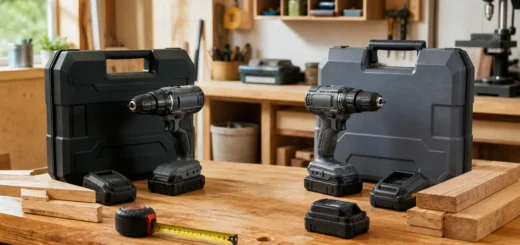
For occasional fastening, a basic cordless drill driver kit is often a better value than repeated one-day rentals. The cheaper option is fine for assembling furniture, drilling wood, and driving ordinary screws. Rent a higher-powered model when you need many large holes, masonry drilling, or continuous work that could overheat a homeowner-grade tool.
Consumables can change the decision. A rental tile saw may cost $70 for a day, but the diamond blade could add $25. A rented demolition hammer may require a $15 bit. Those accessories are useful only for the project, but they must be included in the comparison. If buying, include replacement blades, batteries, and maintenance rather than comparing only sticker prices.
Match the Tool to the Job and Season
Renting makes the most sense for large, infrequent, or highly specialized equipment. A rotary hammer and masonry bit set may be worthwhile to own if you routinely install anchors in concrete, but a demolition hammer used for one patio is a clear rental candidate. Likewise, a walk-behind trencher or floor sander is difficult to justify buying for a single project.
Schedule around seasonal pricing when possible. Pressure washers and lawn equipment may rent at better rates in colder months, while snow equipment is most expensive during storms. Floor sanders and tile saws are often booked during spring remodeling season. A membership that looks profitable in January may save little when every useful weekend carries a premium rate or an availability surcharge.
For outdoor equipment, compare fuel and transport requirements. A cheap rental that needs a pickup truck, gasoline, and two people to load may cost more than a smaller electric model delivered to your door. If you need a compact electric pressure washer for occasional patio cleaning, buying can be sensible. Rent a gas machine when you need longer run time, higher flow, or a full day of heavy washing.
Use a Simple Break-Even Test
Write down the annual membership cost and subtract the member price from the normal price for each expected rental. Add delivery savings, waived fees, or included hours, then subtract charges the membership does not remove. If the result is positive, the plan saves money; if it is close to zero, choose pay-per-use for flexibility.
As a practical rule, do not buy a membership to save less than about $50 per year. One canceled project, unavailable tool, or unexpected cleaning charge can erase a small paper saving. Pay-per-use is usually the better choice for one major job, uncertain plans, or rentals less than three times a year. Membership earns its keep when you rent frequently, use several tool categories, and can reserve equipment reliably.