How to Compare Tool Return Policies Before Buying an Online Deal
What's inside
As an Amazon Associate I earn from qualifying purchases. This post may contain affiliate links at no extra cost to you.
A tool deal is only a good deal if you can return the tool when it arrives damaged, proves unsuitable, or fails early. Before comparing sale prices, check the return window, who pays for shipping, whether the tool has to be unused, and what happens after the retailer’s return period ends. A $20 saving can disappear fast if you have to pay return postage or buy a replacement battery.
Start with the return window
Find the deadline and work out how many days you actually have to test the tool. A 30-day policy is not much use if shipping takes a week and you only open the box on the weekend. Some retailers count from delivery; others count from purchase. Marketplace orders may follow the seller’s policy rather than the main retailer’s.
Check whether the policy covers opened or used tools. A tool that has been powered on, assembled, or tested on a workpiece may no longer qualify for a standard return. Look for exceptions covering outdoor power equipment, clearance goods, special orders, and items sold as refurbished. Keep the packaging and receipt until you have tested the tool; missing accessories or a damaged box can complicate a return.
Separate returns from warranties
A return policy lets you send an item back to the seller, usually within a short period. A warranty is a longer-term promise to repair, replace, or otherwise address defects, subject to its terms. Do not treat a one-year manufacturer warranty as a substitute for a retailer’s 30- or 90-day return window. Warranty service may require troubleshooting, shipping the tool to a service center, or waiting for a repair.
Read the warranty terms for the exact item and seller. Coverage can differ between new, refurbished, and used tools, and between tools and batteries. Save the invoice and note any registration deadline. If the tool is a gift or a seasonal purchase, check whether the retailer offers an extended holiday return period and whether the recipient can return it without your payment details.
Compare the cost of returning it
A “free returns” label may not mean a free, easy return in every situation. Check whether the retailer supplies a prepaid label, requires drop-off at a particular carrier, or deducts a restocking fee. For a heavy table saw or compressor, return freight can cost enough to erase a discount. For a small drill, the main cost may be time spent packing and transporting it.
Also check how refunds are issued. A refund to the original payment method is different from store credit, and processing can take several business days after the parcel arrives. If you paid for shipping or a bundle, confirm whether those charges are refundable when you return only part of the order.
Compare the policy by deal type
| Purchase type | What to check | Common trade-off |
|---|---|---|
| New tool from the retailer | Opened-item rules, deadline, return label, and warranty | Often the clearest process, but the sale may be final on select items |
| Marketplace seller | Seller-specific deadline, return address, shipping cost, and condition rules | Lower price can mean more effort if the seller is hard to reach |
| Refurbished or open-box | Whether the warranty is reduced and what “tested” or “refurbished” means | Good savings if cosmetic wear is acceptable; less useful if missing parts block the job |
| Clearance or final sale | Whether defects, damage, or wrong-item delivery are still covered | Potentially the lowest price, with little room to change your mind |
For marketplace purchases, verify who is responsible for the return before paying. A familiar retailer name on a product page does not guarantee that the retailer is the seller. Save a screenshot or copy of the return terms alongside the order confirmation, especially for a limited-time deal.
Factor in batteries and bundles
Tool bundles can make a low headline price look better than it is. Check the exact contents: battery capacity, charger, case, and accessory kit. A bare tool is a poor bargain if you need to buy a compatible battery and charger separately, but it can be the sensible choice if you already own batteries in that platform.
Before buying a bundle, ask whether you can return individual pieces or must return the complete set. Some promotions adjust the refund if you keep a “free” battery or accessory. If a battery is defective, its return and warranty process may differ from the tool’s. Compare the bundle’s total replacement cost with a bare tool, not just the advertised discount.
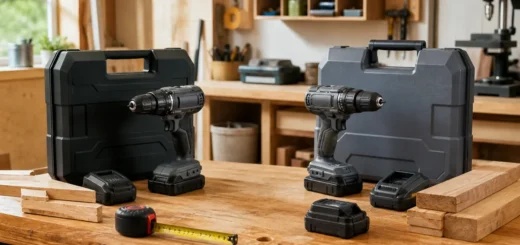
If you are entering a cordless platform, compare the cost of the starter kit and the availability of replacement batteries before choosing based on one sale. A cordless drill-driver kit is often a practical first purchase, but the return terms still matter if the battery does not charge or the chuck has excessive runout.
Test the tool promptly
When the package arrives, check for shipping damage, missing parts, and signs that the item was previously used. Match the included parts to the listing, then test the tool safely and within its intended use. A brief test can reveal a dead battery, a switch that sticks, severe vibration, or a guard that will not stay in position. Do not wait until the last day of the return window to discover a problem.
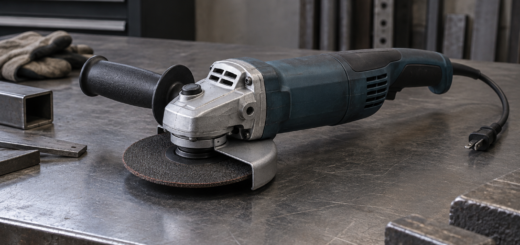
For a saw or grinder, inspect the guard and controls before powering it up. For a drill, test forward and reverse, clutch settings, and battery fit. Stop if you notice burning smells, unusual noise, wobble, or a damaged cord. These are reasons to contact the seller or manufacturer, not to keep running the tool to see whether it improves.
When a cheaper deal makes sense
A discounted tool with a shorter return window can be a reasonable buy if the seller is reputable, the policy is clear, and you can test it immediately. Open-box is often worth considering for a tool where scuffs do not affect performance, provided the important parts are present and the warranty is stated in writing. For infrequent light work, a budget cordless random-orbit sander may be enough; paying extra for a professional service network may not make sense if a basic model can handle a few small projects.
Be more cautious with expensive, heavy, or safety-critical equipment, and with tools you need for a deadline. In those cases, easy returns and accessible service can be worth more than a small discount. Compare the complete cost: tool, batteries, shipping, possible return freight, and the risk of being left without equipment while a claim is resolved. A deal is strongest when the price is low and the way out is clear.