How to Compare Tool Store Memberships and Rewards for Regular Buyers
What's inside
As an Amazon Associate I earn from qualifying purchases. This post may contain affiliate links at no extra cost to you.
Tool-store memberships can save regular buyers money, but the advertised reward rate is only one part of the calculation. A program that returns 5% in points may be worse than a free program with reliable sale pricing if the points expire, exclude sale items, or require a minimum redemption. Compare the complete buying pattern: how often you shop, what you buy, whether you use delivery, and how easily you can spend the rewards.
Start With Your Buying Pattern
Before joining, total your likely annual spending by category. Separate consumables, hand tools, power tools, fasteners, workwear, and larger equipment. A person spending $40 every month on blades and drill bits has different needs from someone buying a $500 tool once a year.
For example, $600 in eligible purchases at a 5% reward rate produces $30 in store credit. If the membership costs $25, the apparent gain is only $5 before considering exclusions, shipping, or an unused reward balance. A 10% member coupon used on a $300 purchase may be more valuable than a full year of small points, but only if the coupon applies to the brand and category you actually need.
Keep receipts or review your past orders. Look for how often you buy during holiday sales, whether you need same-day pickup, and how much you spend on emergency purchases. Memberships are most useful when they reduce costs on purchases you would make anyway, not when they encourage extra trips.
Compare the Real Reward Rate
Do not compare “5% back” with “member pricing” as if they were the same benefit. Convert each perk into dollars using a realistic annual spend. Include the membership fee and exclude rewards you are unlikely to redeem.
| Benefit | What to check | Common catch |
|---|---|---|
| Points or store credit | Earn rate, eligible products, redemption value | Points may expire or exclude gift cards, clearance, and services |
| Member coupons | Frequency, discount size, brand exclusions | Popular power-tool brands are often excluded |
| Free shipping | Minimum order and delivery area | Oversize items, batteries, or same-day delivery may cost extra |
| Extended returns | Return window and condition requirements | Used tools, opened batteries, and special orders may be excluded |
| Member financing | Interest rate, deferred-interest terms, required payment | Interest can be charged retroactively if the balance is not cleared |
A simple formula is: annual rewards plus usable discounts plus avoided shipping, minus the membership fee. Assign zero value to benefits you will not use. If free shipping saves $8 on four small orders, count $32—not an advertised unlimited-shipping value.
Check Brand and Category Exclusions
Exclusions are where many tool memberships fail regular buyers. Stores commonly exclude premium power-tool brands from coupons, limit rewards on gift cards, and apply different rules to clearance items. Some programs award points on the pre-discount price; others use the final paid amount.
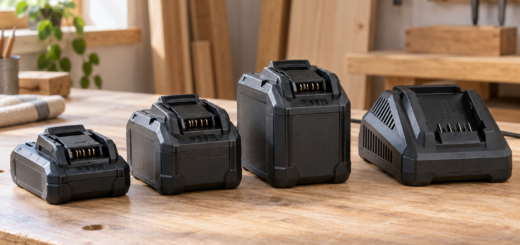
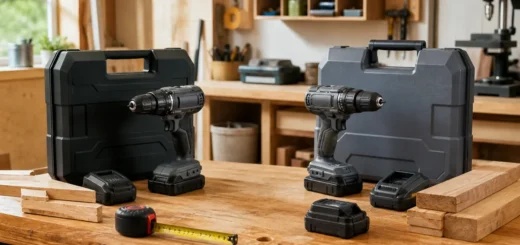
Read the terms for the exact category you buy. A discount on hand tools does not help much if your regular purchases are cordless batteries. Batteries and chargers can also have separate shipping or return rules. If you are comparing cordless systems, start with the total cost of the tool, battery, charger, and one replacement battery—not the bare-tool sale price. Search for current cordless power tool kits when checking whether a store’s member price is genuinely competitive.
For consumables, the cheaper option is often fine. Generic sanding discs, utility knife blades, drill bits for wood, and common fasteners can deliver good value when dimensions and materials match. Brand-name blades and bits matter more for repeated cutting, masonry, stainless steel, or jobs where a broken accessory costs more in downtime than it saves.
Value Pickup, Delivery, and Returns
Convenience has a real dollar value, but price it honestly. Free pickup can save a $7 to $15 delivery charge and prevent a wasted trip, especially for bulky lumber-related tools or heavy shop equipment. It is less valuable if the store frequently shows inaccurate inventory. A “ready in two hours” promise is not useful if the order is canceled after you drive across town.
Returns deserve equal attention. A 90-day return window is useful for testing an uncomfortable tool, but check whether the tool must be unused, whether packaging is required, and whether manufacturer warranty service replaces store returns after a short period. For a $25 hand tool, an easy exchange may be worth more than a few reward points. For a $400 saw, clear warranty handling matters more than a 2% rebate.
Keep membership receipts and photograph expensive purchases at pickup. Common failure modes include missing batteries, an incorrect kit configuration, damaged packaging, and a display price that does not carry into the online cart. Resolve those problems before leaving when possible.
Compare Memberships With Sale Prices
Regular sale cycles can beat loyalty rewards. Check the price over at least three events: a spring project sale, a summer holiday sale, and a November promotion. If the same tool falls from $199 to $149 several times a year, waiting for the sale saves $50 immediately. A 5% reward on the $199 price is only $9.95.
Seasonal timing matters by category. Outdoor equipment often reaches better prices after the main spring and summer demand. Snow tools and heaters may be discounted late in winter, while storage, work lights, and hand tools commonly receive holiday bundle promotions. Buy critical equipment before the season starts if a failure would stop the job; saving 15% is not worthwhile if you must pay for rush delivery or rent a replacement.
Choose the Right Membership
Choose a paid program when your eligible annual spending clearly exceeds the break-even point and you will redeem the rewards before they expire. A free program is usually enough for occasional buyers, especially when its main benefit is digital receipts, order history, or easier warranty support.
If you buy many drill bit sets, blades, and small accessories, compare reward limits on consumables. If you make occasional repairs, prioritize a dependable hand tool set at a good sale price instead of joining for a small rebate. For frequent shipping, calculate actual delivery fees over the past year and compare them with the membership cost.
Finally, set a reminder 30 days before renewal. Recheck the fee, expiration rules, and your actual reward balance. Cancel if the program no longer pays for itself. The best membership is not the one with the biggest headline percentage; it is the one that lowers the cost of tools and supplies you already need, without changing how much you buy.