How to Prioritize Workshop Upgrades When Space and Money Are Limited
What's inside
As an Amazon Associate I earn from qualifying purchases. This post may contain affiliate links at no extra cost to you.
A crowded workshop makes every purchase a space decision as well as a budget decision. A larger machine may save minutes on each job but permanently take over a bench; a cheaper tool may be fine for occasional use, but frustrating if it becomes a daily bottleneck. The best upgrade is usually the one that fixes a repeated problem without creating another one.
Before shopping, list the tasks you do, the tools that slow them down, and the floor or bench space each upgrade would need. Then compare options by frequency of use, safety, storage, and total cost—not by price tag alone.
Rank the problems before the products
For two weeks, note each time you lose time because a tool is missing, a setup is awkward, or a cut or hole needs rework. Separate genuine bottlenecks from minor annoyances. A dull blade that ruins plywood edges may cost more in wasted material than a modest replacement; a specialty sander used twice a year probably does not deserve permanent space.
Give each problem a rough score: how often it happens, how much time or material it costs, and whether it creates a safety risk. Fix hazards first. After that, prioritize recurring work. A useful rule of thumb is to favor upgrades used weekly over equipment used only for a single ambitious project.
Include the hidden costs. A machine may need a stand, blades, bits, dust collection, or a dedicated circuit. A $150 tool can become a $250 setup once accessories and storage are included. Check the tool’s footprint with its fence, handles, and workpiece clearance; the base dimensions do not tell the whole story.
Buy space back before buying another machine
In a small shop, storage and layout changes can deliver more value than another powered tool. Wall-mounted holders, labeled bins, and a rolling cart can clear a bench without changing how you work. A mobile base can let a machine park against a wall and roll into position when needed, but only if the floor is reasonably level and the machine can be locked securely during use.
Measure the room, then mark proposed machine footprints on the floor with tape. Leave room for the workpiece: a four-foot board needs clearance beyond the saw, not just space for the saw itself. Also preserve a clear path to the exit and enough room to handle sheet goods without twisting around a parked machine.
For small parts, a compact benchtop tool may be the better buy. For long stock or repeated furniture work, a larger floor-standing machine may justify its footprint. Neither is automatically the better value; the right choice depends on the material you handle and how often you use it.
Compare upgrade types by total value
| Upgrade | Space cost | Best value when | Common trade-off |
|---|---|---|---|
| Storage and bench organization | Low; often uses wall or overhead space | Tools are hard to find or benches stay cluttered | Requires sorting and regular cleanup |
| Portable or benchtop tool | Low to moderate; can be stored between jobs | Work is occasional or projects are small | Less capacity and sometimes slower setup |
| Floor-standing machine | High, including infeed and outfeed clearance | The task is frequent and capacity matters | Storage, dust collection, and delivery add cost |
| Dust collection improvement | Low to moderate, depending on hose and collector | Dust interferes with visibility, cleanup, or breathing comfort | Adapters and filters can raise the total price |
Spend on bottlenecks, not impressive specifications
Buy for the hardest routine task you actually perform. If most cuts are short and made from narrow stock, paying for a large-capacity machine may not improve your results. If you repeatedly cut long boards, inadequate support can cause binding, inaccurate work, and unsafe handling. In that case, stands or a better layout may solve the problem before a new machine does.
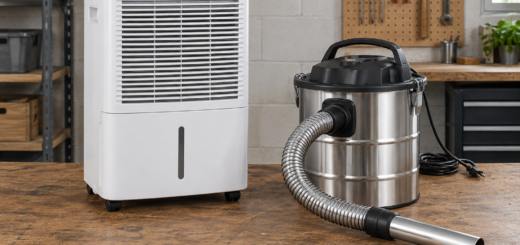
For a small shop with several portable tools, a compact shop vacuum with tool-dust adapters can be a more practical first purchase than a large collector. It is cheaper and easier to store, though it may need frequent filter cleaning and may not keep up with machines that produce heavy volumes of chips. Match the hose and fittings to the tools you own; a pile of adapters that leaks air wastes money.
Blades, sanding discs, and drill bits are small purchases, but worn consumables can make a good tool seem weak. Replace a damaged blade before assuming the saw needs an upgrade. Conversely, cheap bits that wander or overheat can ruin material and consume time. Buy better consumables for regular work, and basic versions are reasonable for occasional holes in softwood.
Choose budget or premium based on duty cycle
A budget tool is often a sensible choice for light, occasional work. Pay more when you need tighter adjustment, repeated accuracy, better dust control, or a tool that runs for long sessions. Compare warranty terms, parts availability, and the cost of common accessories; a low purchase price is less attractive if replacement parts are hard to find.
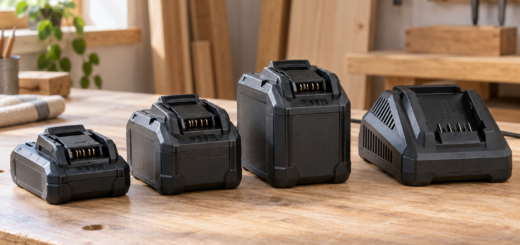
Brand value matters most when you already own compatible batteries or when a tool will see frequent use. Staying within one cordless battery platform can avoid buying duplicate chargers and packs. But do not buy a more expensive tool just to preserve a platform if it is a poor fit for the job. For a corded tool that rarely moves, battery compatibility may offer no value at all.
If you are considering a used benchtop woodworking tool, inspect the fence, table, adjustment mechanisms, cord, and safety guards in person. Rust on a noncritical surface may be manageable; a warped table, damaged wiring, or missing guard can turn a bargain into an expensive repair. Ask to see the machine run, and price replacement parts before paying.
Time purchases around the work and the season
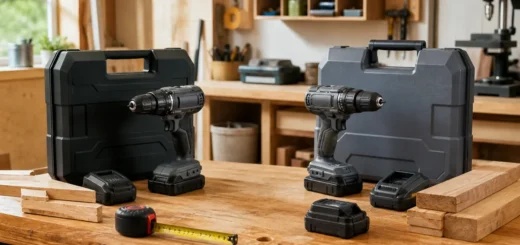
Buy when the next project will use the tool, not just because a sale looks urgent. Seasonal promotions can lower prices on common power tools, but compare the complete kit: bare tool, battery, charger, case, and accessories. A deal on a tool-only package is not a deal if you need to add two batteries and a charger at full price.
Use a short waiting period for nonessential upgrades. If the same problem appears repeatedly during that time, the purchase is easier to justify. If it disappears, keep the cash and the floor space. When a tool is used only a few times a year, borrowing or renting can beat ownership, especially for bulky equipment that also requires accessories and storage.
Use a simple buying test
Before ordering, write down the job the upgrade will make easier, how often you do that job, what else you must buy, and where the tool will live. If the answer depends on a future project you have not started, wait. If it fixes a weekly bottleneck, fits the shop, and pays for itself through less rework or saved time, it may be the right upgrade—even when the less expensive option is perfectly adequate for occasional use.