Manual vs Powered Drain Cleaners: Comparing Cost for Homeowners
What's inside
As an Amazon Associate I earn from qualifying purchases. This post may contain affiliate links at no extra cost to you.
For most homeowners, a manual drain snake is the better first purchase. It costs less, stores easily, and handles the common problems that affect sinks, tubs, and bathroom basins. Powered drain cleaners earn their higher price when the blockage is deeper, the pipe is larger, or you need to clear several recurring clogs.
The important distinction is not simply manual versus powered. It is cable length, cable thickness, access point, and the type of obstruction. A $25 hand auger can be excellent for a hair clog near a tub drain, while it will be a poor substitute for a powered drum machine when roots or heavy buildup are blocking a long sewer lateral.
As an Amazon Associate we earn from qualifying purchases at no extra cost to you.

Typical purchase and rental costs
| Drain cleaner type | Typical cost | Best use | Main limitation |
|---|---|---|---|
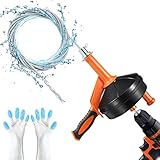
| Hand-crank sink auger | $15–$35 | Bathroom sinks, shallow clogs | Usually 15–25 feet of small cable |
| Manual drum auger | $30–$80 | Tubs, showers, kitchen drains | Slow work and limited cable strength |
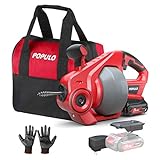
| Drill-powered auger | $35–$100 | Longer household drain runs | Can kink or damage cable when used carelessly |
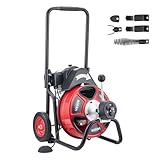
| Powered drum machine | $250–$700 | Heavy clogs and larger lines | Expensive, heavy, and more hazardous |
| Powered machine rental | $50–$100 per day | Occasional serious blockage | Deposit, transport, and cleaning may add cost |
Prices vary by cable size and brand, but the gap is consistent. A basic manual drain snake often solves a one-off blockage for less than the cost of a plumber’s service call. A powered machine is harder to justify for a homeowner who uses it once every few years. Renting is usually the value choice for a single deep clog, provided the rental shop supplies the right cable and you can safely access the cleanout.
When a manual drain cleaner is the better buy
Manual tools are ideal when the blockage is close to the fixture. A 15- to 25-foot cable is normally enough for a sink trap, tub drain, or shower line. They are also easier to control. You can feel the cable hit an obstruction, pull it back, and work gradually instead of forcing a motor through the pipe.
The low price is only part of the value. Manual augers do not need batteries, extension cords, or maintenance beyond rinsing and drying the cable. They are less likely to splash contaminated water at high speed, and a mistake generally produces a bent cable rather than a damaged pipe or serious injury.
Buy a hand auger with a smooth crank, a cable that locks securely, and a housing that does not flex when you apply pressure. Very cheap models can work, but thin cable may twist into a permanent coil after meeting a hard blockage. For a tub or shower, a manual drum auger with at least 15 feet of cable is more useful than a tiny sink tool.
A manual cleaner is also the sensible choice when the problem is hair, soap residue, or a small amount of food debris. It is less effective against grease that has hardened far down the line, compacted wipes, tree roots, or a collapsed pipe. Those problems are not fixed by buying a slightly better hand tool.
When powered equipment justifies the cost
Powered drain cleaners save time and provide more cable capacity, but they do not magically identify the blockage. A drill-powered auger may be enough for a 25- to 50-foot household line. It can clear a stubborn kitchen drain faster than a hand crank, especially when the cable must pass through several bends.
A dedicated drill-powered drain auger is cheaper and lighter than a professional drum machine. However, the drill can spin the cable too aggressively. If the cable binds, the tool may kink, whip, or damage a fitting. Use low speed, wear gloves and eye protection, and stop when the cable locks instead of repeatedly squeezing the trigger.
Full-size powered drum machines make sense for frequent DIY maintenance, multiple rental properties, or a known cleanout with a long, difficult run. They typically use thicker cable and can reach 50 to 100 feet or more. The trade-off is substantial: a machine weighing 50 pounds or more is awkward on stairs, difficult to clean, and dangerous if clothing or gloves catch in the rotating cable.
For a single sewer-line blockage, renting is usually better than buying. Check the total price, including the cable, gloves, damage waiver, and late fees. If a $75 rental clears the line, it is still cheaper than buying a $400 machine that sits in the garage. If the same drain blocks every few months, professional diagnosis may offer more value than repeated equipment purchases.
Brand value and what to inspect
Brand matters more as cable length, cable diameter, and purchase price increase. Established tool brands generally offer better cable materials, replacement parts, and more consistent drum mechanisms. That support matters when a $300 machine needs a replacement cable rather than disposal.
For an inexpensive hand auger, brand premiums are smaller. A well-reviewed budget tool is fine for occasional hair clogs if its cable is appropriately sized. Look for clear specifications, a return policy, and replacement cable availability. Avoid listings that give only a vague “heavy duty” label without stating cable length and diameter.
For powered equipment, compare the clutch or torque-limiting design, foot switch, cable-feed controls, and availability of different heads. A machine with interchangeable cutters is more useful than one with a single generic tip, but buying extra heads before you know your drain problems is unnecessary spending. A professional drain cleaning machine is a specialized purchase, not a general-purpose household tool.
Best time to buy and total cost
Manual augers are least expensive during spring hardware promotions, fall home-maintenance sales, and major holiday events. Discounts are often modest—roughly 10% to 25%—so do not wait months for a small saving if a blocked drain is causing damage. Powered tools and rentals may see better promotions around spring renovation season, but rental availability can become tight after storms or during cold snaps.
Before buying, try a plunger and remove the trap where practical. Never use a powered auger through a drain filled with chemical cleaner; caustic liquid can spray back onto your skin or eyes. If the same fixture clogs repeatedly, several fixtures drain slowly together, or sewage backs up through a cleanout, stop treating it as a simple clog. The cheapest responsible option may be a plumber’s inspection.
For most households, the practical setup is a $20–$40 manual auger for routine clogs, plus a rental plan for rare deep blockages. Upgrade to powered equipment only when the frequency, distance, or severity of your drain problems makes the added cost and risk worthwhile.