Stihl vs Husqvarna Chainsaws: Comparing Purchase Costs for Occasional Use
What's inside
As an Amazon Associate I earn from qualifying purchases. This post may contain affiliate links at no extra cost to you.
Start with the cost of the saw you’ll actually use
For occasional firewood, storm cleanup, or pruning fallen limbs, the best value is usually not the most powerful saw. It is a homeowner-grade model that starts reliably, has enough bar length for your wood, and does not cost more than the jobs justify. Stihl and Husqvarna both sell saws for this kind of work, but prices vary by model, dealer, promotions, and what comes in the box.
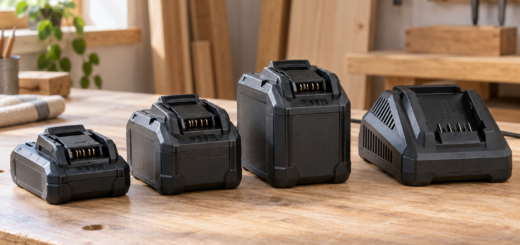
As a rough US retail guide, expect entry-level gas chainsaws from either brand to land around $200–$350, with more capable homeowner models often around $300–$500. Battery kits commonly run about $250–$600, depending on whether the battery and charger are included and how large the battery is. These are broad ranges, not fixed price quotes; check current local pricing before choosing.
As an Amazon Associate we earn from qualifying purchases at no extra cost to you.
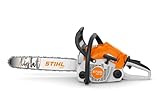


For a buyer who cuts only a few times a year, a $100 price difference may matter more than a small difference in cutting speed. Compare the complete setup: saw, bar and chain, battery and charger if applicable, fuel and oil, protective gear, and any likely service costs.
How the costs and ownership trade-offs compare
| Cost or factor | Stihl | Husqvarna |
|---|---|---|
| Typical entry-level gas price | About $200–$350 | About $200–$350 |
| Homeowner gas models with more capacity | Often about $300–$500 | Often about $300–$500 |
| Battery kit price | Often about $250–$600 | Often about $250–$600 |
| Where to buy | Commonly sold through authorized dealers | Available through dealers and, for some products, major retailers |
| Potential ownership cost | Dealer access can simplify service; compare local labor and parts prices | Retail access may make shopping convenient; confirm who handles warranty and repairs |
The price ranges overlap too much to declare one brand consistently cheaper. A sale on one specific saw can outweigh the usual differences between the brands. Check the exact displacement or voltage, bar length, included equipment, warranty terms, and local service access rather than comparing brand names alone.
Choose gas or battery before choosing a brand
For one or two short sessions each season, battery can be worth paying extra for. It avoids mixing fuel, is easier to store, and usually starts with a trigger instead of a pull cord. The catch is runtime: a small battery may run down during sustained cutting, especially in dense or frozen wood. A second battery adds cost, and the larger batteries that improve runtime can make the saw heavier.
Gas is generally the practical choice for longer sessions, remote work, or repeated cuts through larger logs. It can keep going with refueling, but it needs fresh fuel and bar oil, air-filter cleaning, and routine chain maintenance. Old fuel, a dirty filter, or a flooded engine can turn a brief cleanup job into a frustrating start-up session. If the saw will sit for months, follow the manufacturer’s storage instructions rather than leaving stale fuel in it.
For light trimming and small branches, a battery chainsaw kit with a battery and charger may be the lower-hassle buy. For regular firewood cutting or longer jobs, compare homeowner gas chainsaws and account for fuel, maintenance, and protective equipment.
Match the saw to the wood
For branches and occasional small logs, a 12- to 14-inch bar can be easier to handle than a longer bar. A 16-inch bar is a common middle ground for property cleanup and modest firewood work. Longer bars add reach but also weight and leverage, and they do not make an underpowered saw cut like a larger one. For routine logs wider than the bar, cutting technique matters; do not force the saw or twist the bar in the cut.
Buying too small can be a false economy. A light saw pushed through thick hardwood may cut slowly, overheat, or encourage unsafe pressure. Buying too large also has a cost: more weight, more fatigue, and a higher purchase price for power you may rarely use. If most of your wood is over roughly 12 inches in diameter, compare the saw’s stated engine or motor capacity and intended use, not bar length alone.
Local service can change the real price
Stihl’s dealer-focused sales model can be a plus if you have a nearby shop that stocks chains and can handle repairs. It can be inconvenient if the nearest dealer is far away or charges more for routine service. Husqvarna availability varies by product and retailer; a convenient checkout does not guarantee convenient warranty work. Before buying either brand, call a local service shop and ask what it charges to sharpen a chain, replace a chain, or diagnose a no-start problem.
A chain that is dull or damaged is a common failure point, not a reason to replace the saw. Keep a spare chain that matches the saw’s pitch, gauge, and drive-link count, and check chain tension before use. A pinched bar, running without enough bar oil, or continuing to cut with a dull chain can damage parts and increase the chance of kickback. Include chaps or other appropriate leg protection, eye and hearing protection, gloves, and a helmet when the work calls for it in your budget.
When the cheaper option is enough
If you cut a few small branches and occasional limbs, a lower-priced homeowner saw is usually sufficient. There is little value in paying for a professional-grade machine that will sit most of the year. Pick the less expensive option if it has the right bar and capacity, feels manageable in your hands, and has a nearby source for compatible chains and service.
If the job involves trees under tension, overhead limbs, large trunks, or repeated felling, the cheapest saw is not the place to save. Those tasks carry serious injury risks and may call for training or a professional. For ordinary ground-level cleanup, compare one suitable Stihl and one suitable Husqvarna at today’s prices, then choose the better total package—not the logo with the lowest advertised price.