When to Buy Outdoor Power Tools for the Best Seasonal Prices
What's inside
As an Amazon Associate I earn from qualifying purchases. This post may contain affiliate links at no extra cost to you.
The seasonal price calendar
Outdoor power tools are cheapest when stores are clearing a category, not necessarily when you need the tool most. For U.S. shoppers, that usually means buying a mower after the main mowing season, a snow blower in spring, and a leaf blower late in fall. The trade-off is selection: the best discounts often arrive after popular battery platforms or sizes have sold through.
Use these windows as a starting point, not a guarantee. Weather, regional demand, and inventory can shift prices by weeks. Compare the current price with the tool’s price over the past few months, and check whether a deal includes a battery and charger. A low bare-tool price may cost more than a bundle if you’re starting from scratch.
As an Amazon Associate we earn from qualifying purchases at no extra cost to you.


| Tool category | Likely value window | What to watch for |
|---|---|---|
| Walk-behind mower | Late summer through fall | Reduced selection; verify deck width, battery inclusion, and return terms |
| Snow blower | Late winter through spring | Clearance stock may be last year’s design; check parts and service availability |
| Leaf blower | Late fall through winter | Seasonal discounts, but battery bundles can disappear quickly |
| String trimmer and hedge trimmer | Late summer through winter | Good time to compare bare tools with battery kits |
| Chainsaw | Late summer and winter | Prices vary by gas or battery type and local storm demand |
Buy mowers after peak season
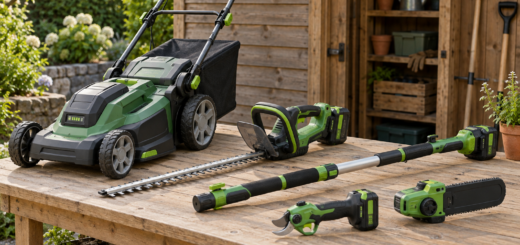
For a mower, late August through October is often the best balance of price and availability. Retailers are making room for fall and winter products, and buyers who can wait may find discounts on walk-behind models. In colder regions, the strongest clearance can come after mowing has ended; in warm regions, the season may run much longer, so local stores may discount later.
Don’t buy a mower only because it is marked down. Match the deck to the lawn: a narrow deck takes more passes, while a larger one may be awkward around tight gates and garden beds. A battery mower can suit a small or moderate lawn, but run time drops in thick, wet grass. If the lawn takes more than one charge, price the extra battery before choosing. For a basic option, compare cordless walk-behind lawn mowers with gas models, including the cost of fuel, oil, and routine engine maintenance.
Time trimmers and blowers around fall clearance
String trimmers and leaf blowers are commonly discounted as outdoor work slows in late summer and fall. This can be a particularly good time to add a bare tool if you already own compatible batteries. If you don’t, compare the bundle price against the bare tool plus a separate battery and charger; the apparent discount can vanish once the required battery is included.
For a small yard with light trimming, a lower-priced battery trimmer may be perfectly adequate. Expect less power or shorter run time than on a high-voltage system, especially in tall weeds. A heavier-duty tool makes sense for frequent use, thick growth, or a large property, but it may add weight and cost. Compare battery string trimmer kits by included battery capacity, line-feed design, and weight—not voltage alone.
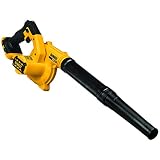
Blowers also vary widely in airflow and noise. A small blower can clear a patio or driveway, but moving wet leaves across a lawn may require more force and more battery. Check the stated noise level and local rules if you’ll use it early or in a close-set neighborhood. For a small area, paying extra for a high-output blower is often unnecessary.
Shop for snow tools in spring
Snow blowers tend to be easier to find at a discount once winter demand fades. Late winter and spring can bring clearance pricing, though deep discounts may mean limited choice of width, drive type, or power source. If you need a machine before the next storm, buying in summer can be a safer compromise: more time to compare and test, with less urgency than during a snow emergency.
For a short, paved driveway with modest snowfall, a basic single-stage machine may be enough. A long driveway, heavy wet snow, or frequent drifts can justify a larger two-stage unit, but storage and maintenance costs rise too. For smaller areas, compare cordless snow blowers with corded or gas alternatives. Battery machines avoid fuel and pull-start issues, but cold weather reduces battery performance; store batteries indoors and allow for shorter run time than in mild conditions.
Chainsaws and weather-driven demand
Chainsaw pricing is less predictable because storms, tree work, and regional firewood demand can trigger sudden buying. Late summer and winter are useful times to check prices, but don’t wait for a seasonal sale if a damaged tree is creating an immediate hazard. A small homeowner saw can handle light pruning and occasional firewood, while repeated cutting of thick logs calls for a more capable tool and proper protective equipment.
Battery saws are convenient for short jobs and avoid fuel mixing, but runtime and cutting speed depend on battery size and wood. Gas models can make more sense for long sessions away from a charger, at the cost of noise, exhaust, and engine maintenance. For any saw, include a helmet or face protection, chainsaw chaps, gloves, and hearing protection in the budget. A cheap saw is a poor value if you cannot safely maintain or use it.
Avoid clearance mistakes
Before buying, check the warranty period, battery warranty, return window, and whether local service is available. A tool discounted 25% is not a bargain if it has no practical parts support or the included battery is too small for the job. Older stock can be worthwhile, but confirm that batteries and replacement parts still fit the platform.
Set a target price before shopping and compare the full setup cost: tool, battery, charger, consumables, and any required protective gear. If you need the tool now and the current price is reasonable, waiting months to save a small amount may cost more in time or rental fees. Seasonal timing helps most when the purchase is flexible and you already know the size and power level your job requires.