When to Buy a Snow Blower or Snow Shovel for Better Value
What's inside
As an Amazon Associate I earn from qualifying purchases. This post may contain affiliate links at no extra cost to you.
Timing matters almost as much as the machine when buying snow equipment. A shovel purchased before the first major storm can cost far less than one bought during a shortage, while a snow blower bought too early may tie up money in last year’s technology. The best value depends on snowfall depth, driveway size, storage space, and how often you are willing to clear snow by hand.
As an Amazon Associate we earn from qualifying purchases at no extra cost to you.


Start with the job, not the sale price
A snow shovel is usually the better value for a short walkway, porch, steps, or a driveway under about 600 square feet. It also makes sense where storms typically produce less than 4 inches of snow. A good ergonomic shovel costs roughly $20 to $60, takes little storage space, and does not require fuel, charging, maintenance, or troubleshooting.
Choose a quality ergonomic snow shovel if you can clear the area in 15 to 30 minutes without aggravating your back. A pusher-style shovel is efficient on light, loose snow, while a traditional scoop is better for lifting snow onto banks. A metal wear edge helps with packed snow and thin ice, but it can scratch delicate surfaces such as composite decking.
A snow blower earns its cost when the driveway is long, storms commonly exceed 6 inches, or you need to clear snow more than a few times each winter. It is particularly useful for older users and anyone who cannot safely lift repeated shovel loads. The trade-off is not just the purchase price: blowers need storage, maintenance, and a place to discharge snow.
Compare blower types before comparing brands
| Type | Best use | Typical value range | Main drawbacks |
|---|---|---|---|
| Electric corded | Small paved areas and light snow | $100–$250 | Cord management, limited range, unsuitable for wet heavy snow |
| Battery single-stage | Short to medium driveways and frequent light storms | $250–$700 | Runtime falls in cold weather; batteries and chargers add cost |
| Gas single-stage | Moderate snow and occasional deeper storms | $400–$800 | Fuel, oil, noise, maintenance, and harder storage |
| Two-stage gas or battery | Long driveways, deep snow, gravel, and large banks | $900–$2,500+ | High purchase price and more parts to maintain |
Single-stage blowers are compact and easier to maneuver, but they struggle with deep, wet snow and tall plow berms. Two-stage machines use an auger and separate impeller, allowing them to handle heavier snow and throw it farther. They are usually excessive for a small suburban driveway.
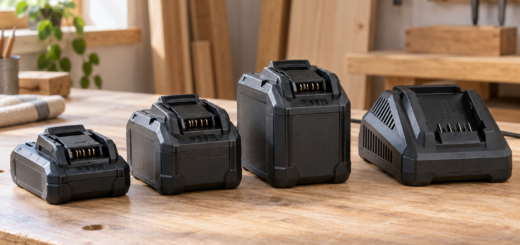
Battery models can be excellent value if you already own compatible batteries for other outdoor tools. Buying into a new battery platform can add $100 to $300 or more, making a discounted bare tool less attractive than it first appears. Check whether the advertised clearing width and depth are realistic for your conditions; a machine rated for a light 6-inch snowfall may bog down in dense, waterlogged snow.
The best months to buy
For the lowest prices, shop from late winter through summer. Retailers often discount remaining inventory in February and March, especially after the main snow season, and outdoor-power-equipment sales become easier to find from April through September. Selection is narrower, however. You may save $50 to $200 but have fewer choices in width, battery capacity, or dealer support.
October and early November are often the best compromise. Stores have new stock, manufacturers may offer seasonal promotions, and you can test the machine before the first storm. Buying during the first serious snowfall is usually the worst value. Demand rises quickly, popular sizes disappear, and rushed shoppers often settle for a machine that is too small.
Do not assume a large holiday sale is automatically the lowest price. Track the price for several weeks, check whether the offer includes a battery and charger, and compare shipping charges. A $499 blower sold without a battery may cost more than a $599 kit that includes two batteries and a charger.
When the cheaper shovel is the smarter choice
A shovel is not a false economy if the job is small. Even a $40 shovel can last many seasons when stored out of direct sunlight and not used to chop thick ice. The failure mode is usually user fatigue, not tool failure. If clearing snow takes 45 minutes or more, or you are repeatedly lifting wet snow above waist height, the injury risk can outweigh the savings.
Consider buying two inexpensive tools instead of one premium shovel: a wide pusher for fresh snow and a smaller scoop for steps and packed areas. This combination often costs under $70 and is more versatile than a single oversized shovel. Keep an ice scraper or an ice chopper separate; forcing a plastic shovel through frozen ridges can crack it.
Used and refurbished equipment
Used gas blowers can deliver strong value, but inspect them cold. The engine should start without excessive cranking, run without surging, and engage the auger and drive system cleanly. Look for cracked belts, bent scraper bars, leaking fuel lines, and worn shear pins. A cheap machine needing a carburetor, belts, and tires can quickly become more expensive than a seasonal new model.
Battery blowers are harder to evaluate used because battery condition is uncertain. Ask how the batteries were stored and test them under load if possible. A battery that appears full but loses power after a few minutes may need replacement. Refurbished tools from an established retailer are safer when they include a warranty, but avoid paying nearly new prices for a unit with no battery coverage.
A practical value checklist
Measure the driveway and note the deepest typical snowfall before shopping. For a narrow driveway, a 16- to 20-inch clearing width may be easier to control than a larger machine. Confirm that the chute throws snow away from doors, vehicles, and neighbors. For gravel, choose a blower with adjustable skid shoes; otherwise the auger can pick up stones and damage the machine or nearby property.
Finally, price the complete setup: machine, batteries, charger, extension cord if needed, fuel, oil, replacement shear pins, and storage cover. Buy a battery snow blower kit with charger when convenience and low maintenance matter more than maximum runtime. Choose a two-stage snow blower only when deep snow, long drives, or plow piles justify its higher cost. For everyone else, buying a solid shovel in the off-season is often the most dependable bargain.